

Washington, Kiryat Shmona, March 24, 2026 (Parliament Politics Magazine), US Iran conflict tensions escalated sharply in 2026 as a senior US counterterrorism official resigned in protest over the expanding military campaign against Iran, while sirens echoed across Kiryat Shmona in northern Israel following a Hezbollah rocket attack. These developments come amid an already volatile regional landscape where multiple flashpoints are converging into a potential wider conflict.
The resignation highlights deep divisions within the US government, while escalating cross-border attacks underline the growing instability tied to US Iran conflict tensions across the Middle East.
Top US Official Resignation Signals Strategic Fracture
The unexpected resignation of a senior counterterrorism official has triggered intense debate in Washington. Sources indicate the decision was driven by concerns over the direction of military engagement with Iran.
The official reportedly disagreed with the expanding scope of operations, which have intensified following joint US-Israeli strikes earlier this year.
This move is being interpreted as a rare public signal of internal dissent during a critical geopolitical moment.
one security expert said.
“It’s a warning sign during a dangerous phase of US Iran conflict tensions.”
The departure suggests growing unease within national security circles about the long-term consequences of escalation.
Hezbollah Rocket Attack Triggers Sirens in Northern Israel
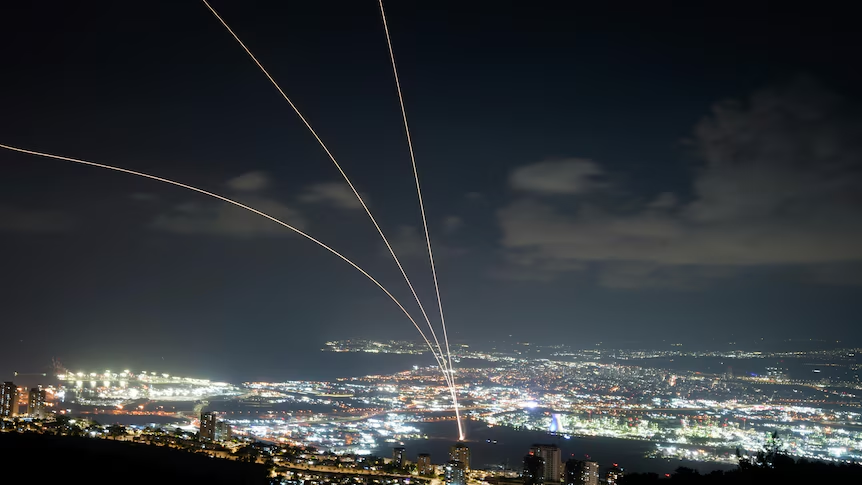
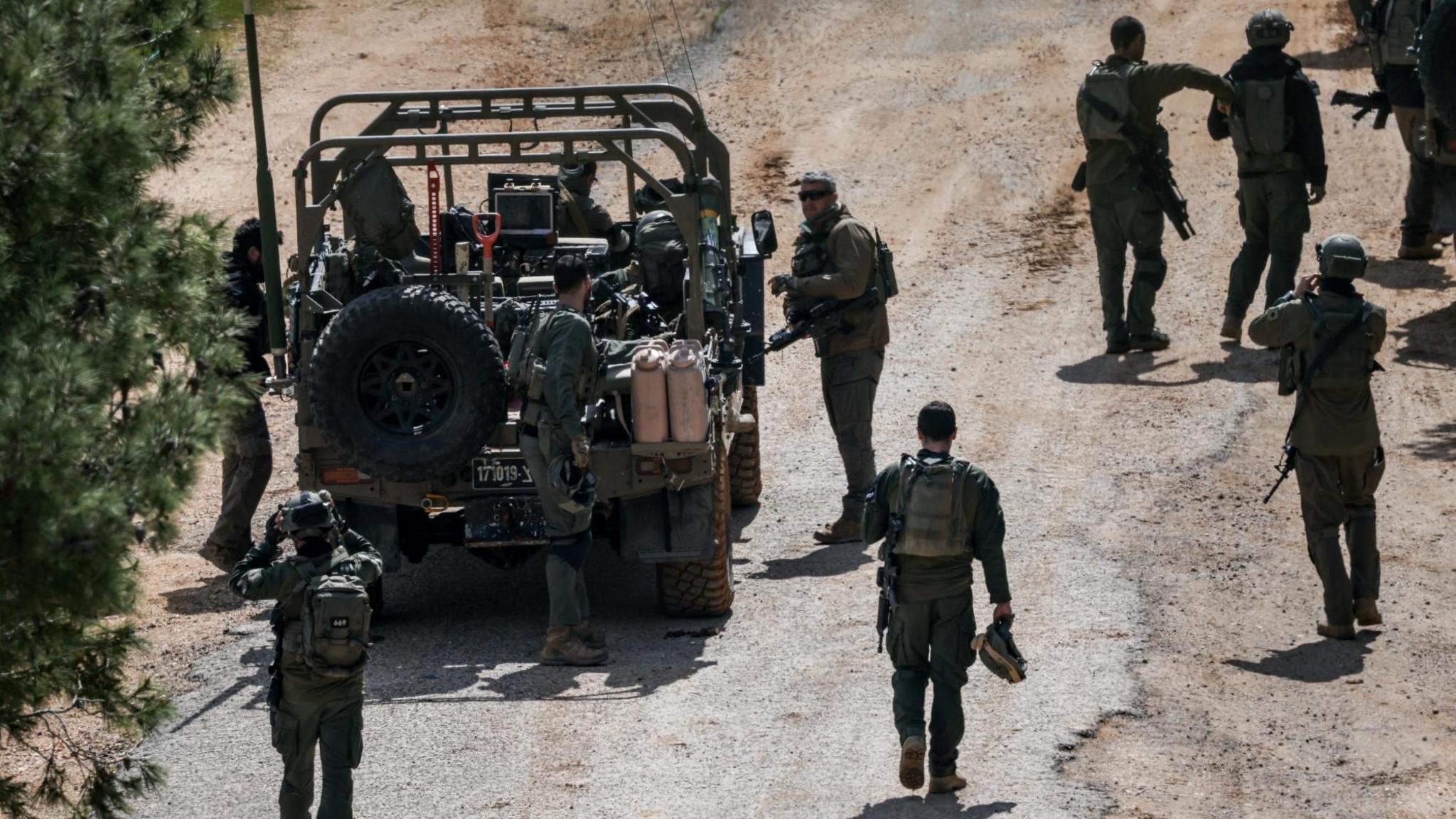
Simultaneously, tensions on the ground intensified as Hezbollah launched rockets toward northern Israel, triggering sirens in Kiryat Shmona.
Reports confirm injuries from recent attacks, with civilians caught in the crossfire as emergency responders rushed to impacted areas.
Hezbollah has significantly increased its rate of attacks in recent weeks, launching hundreds of rockets and drones targeting Israeli positions.
These developments are directly linked to the broader US Iran conflict tensions, as Hezbollah operates as a key regional ally of Iran.
Missile Strikes and Regional Escalation Intensify
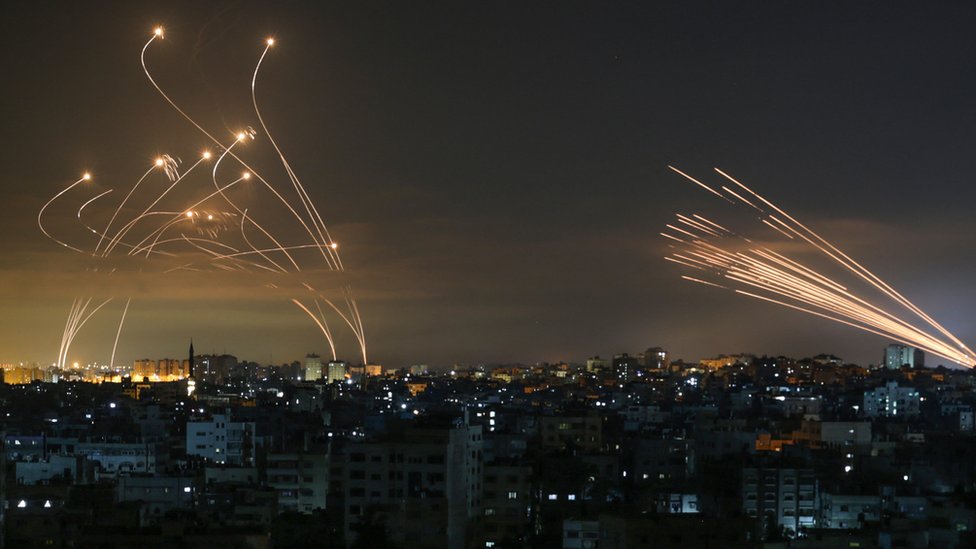
The situation worsened as Iran launched fresh missile strikes targeting Israeli cities, causing injuries and structural damage.
These attacks highlight the expanding nature of the conflict, moving beyond isolated incidents into sustained military engagement.
At the same time, US forces have continued targeting Iranian military infrastructure despite reports of possible diplomatic efforts.
This combination of military action and uncertain diplomacy is further fueling US Iran conflict tensions, leaving the region on edge.
Risk of Multi-Front War Growing Rapidly
Experts warn that the convergence of events could lead to a multi-front war involving Iran, Israel, Hezbollah, and potentially other regional actors.
The current situation includes:
- Cross-border rocket attacks from Lebanon
- Missile strikes from Iran into Israel
- Ongoing US military operations
- Rising threats to global energy routes
The Strait of Hormuz, a critical global oil passage, has already been impacted by the conflict, raising concerns about global economic fallout.
These interconnected developments are accelerating US Iran conflict tensions into a broader geopolitical crisis.
US Foreign Policy Under Increasing Pressure
The resignation has intensified scrutiny on US foreign policy decisions. Critics argue that the current approach risks prolonged military involvement without a clear end strategy.
Meanwhile, supporters maintain that strong action is necessary to counter Iran’s regional influence and military capabilities.
Backchannel diplomatic talks have reportedly taken place, though their effectiveness remains uncertain.
This dual-track approach—military escalation alongside uncertain diplomacy—continues to define US Iran conflict tensions.
Civilian Impact Across the Region Deepens
Beyond political and military developments, the human cost of the conflict is becoming increasingly visible.
In northern Israel, repeated rocket alerts have disrupted daily life, forcing residents into shelters and creating widespread anxiety.
Across Lebanon, escalating violence has displaced large numbers of civilians, with humanitarian concerns growing rapidly.
These realities underscore how US Iran conflict tensions are affecting ordinary people far beyond political decision-making centers.
Global Economic and Strategic Consequences
The global impact of the escalating conflict is already being felt.
Energy markets have reacted strongly, with fears of supply disruptions driving volatility. The Strait of Hormuz remains a key concern due to its role in global oil transport.
International leaders, including those from major global powers, are urging restraint and pushing for diplomatic solutions.
However, competing interests and ongoing military actions continue to complicate efforts to de-escalate US Iran conflict tensions.
Historical Context: Escalation Patterns Repeat
The Middle East has experienced repeated cycles of escalation, but the current situation stands out due to the number of active fronts.
The conflict began escalating significantly after coordinated US and Israeli strikes on Iran earlier this year, triggering retaliatory actions across the region.
Hezbollah’s involvement has further expanded the scope of the conflict, linking local border tensions with broader geopolitical dynamics.
This pattern suggests that US Iran conflict tensions may continue to intensify unless significant diplomatic breakthroughs occur.
What Happens Next?
Several possible scenarios are emerging:
- Continued escalation leading to broader regional war
- Limited conflict contained through diplomatic intervention
- Prolonged instability with intermittent attacks
The situation remains highly fluid, with rapid developments expected in the coming days.
For now, US Iran conflict tensions remain one of the most critical geopolitical issues facing the world.
A Defining Moment in Global Security
The resignation of a top US official, combined with escalating rocket attacks and missile strikes, signals a critical turning point.
These events highlight the fragile balance between military action and diplomacy in a region already under immense strain.
As US Iran conflict tensions continue to rise, the risk of wider conflict grows, making this a defining moment for global security.
Summary (High CTR Ending)
- Top US counterterrorism official resigns over Iran war strategy
- Hezbollah rocket attack triggers sirens in northern Israel
- Iran missile strikes escalate regional conflict
- Experts warn of expanding US Iran conflict tensions
- Global markets and leaders brace for potential crisis
