

Washington / Doha, March 24, 2026 (Parliament Politics Magazine), Qatar Iran relations have entered a volatile new phase as a senior U.S. counterterrorism official resigned in protest against Washington’s war strategy toward Iran, exposing internal divisions and intensifying concerns across the Gulf.
The resignation comes as Qatar urges diplomacy, with its foreign ministry emphasizing that regional powers must “find ways to live next to each other.” This call highlights the fragile state of Qatar Iran relations, which have shifted from cooperation to confrontation in recent weeks.
Resignation Highlights Deep Policy Divisions
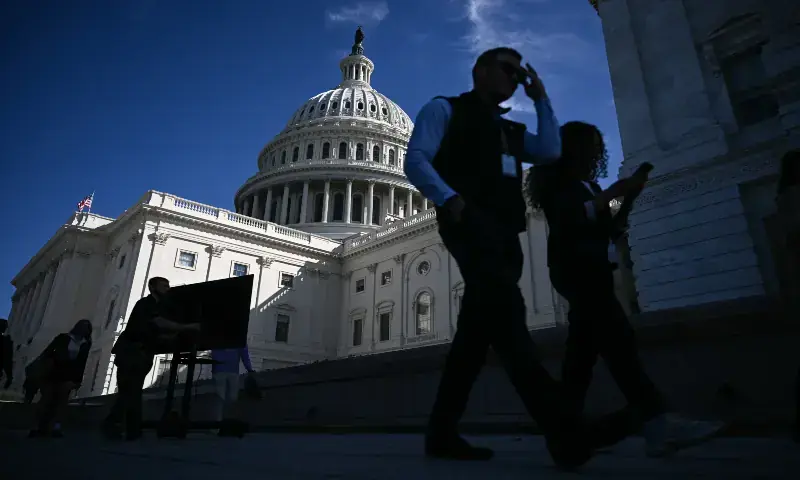
The departure of the U.S. National Counterterrorism Center director marks one of the most significant internal breaks within the administration since the conflict began. Reports indicate the official stepped down over concerns that the war lacked clear justification and risked escalating beyond control.
According to sources familiar with the decision, the official believed the current strategy could undermine long-term counterterrorism objectives and destabilize the region further.
One political analyst noted:
“When a senior counterterrorism leader resigns during active conflict, it signals serious disagreement about the direction of national security policy.”
This moment has placed Qatar Iran relations under renewed scrutiny, as regional diplomacy attempts to counterbalance military escalation.
Qatar’s Role as Mediator Under Pressure
Historically, Qatar has maintained a unique position in the Gulf, balancing ties with both Western allies and Iran. The two nations share the world’s largest natural gas field, making cooperation economically critical.
However, recent events have dramatically altered this relationship. Iranian strikes targeting Qatari energy infrastructure have strained diplomatic ties and forced Doha to reassess its approach.
Despite these tensions, Qatar continues to advocate for dialogue. Its leadership is pushing for coexistence, warning that prolonged conflict could destabilize the entire region.
Escalation Turns Allies Into Adversaries
The rapid deterioration of Qatar Iran relations reflects a broader shift across the Middle East. Once defined by pragmatic cooperation, the relationship has been transformed by military confrontation following the outbreak of the Iran war.
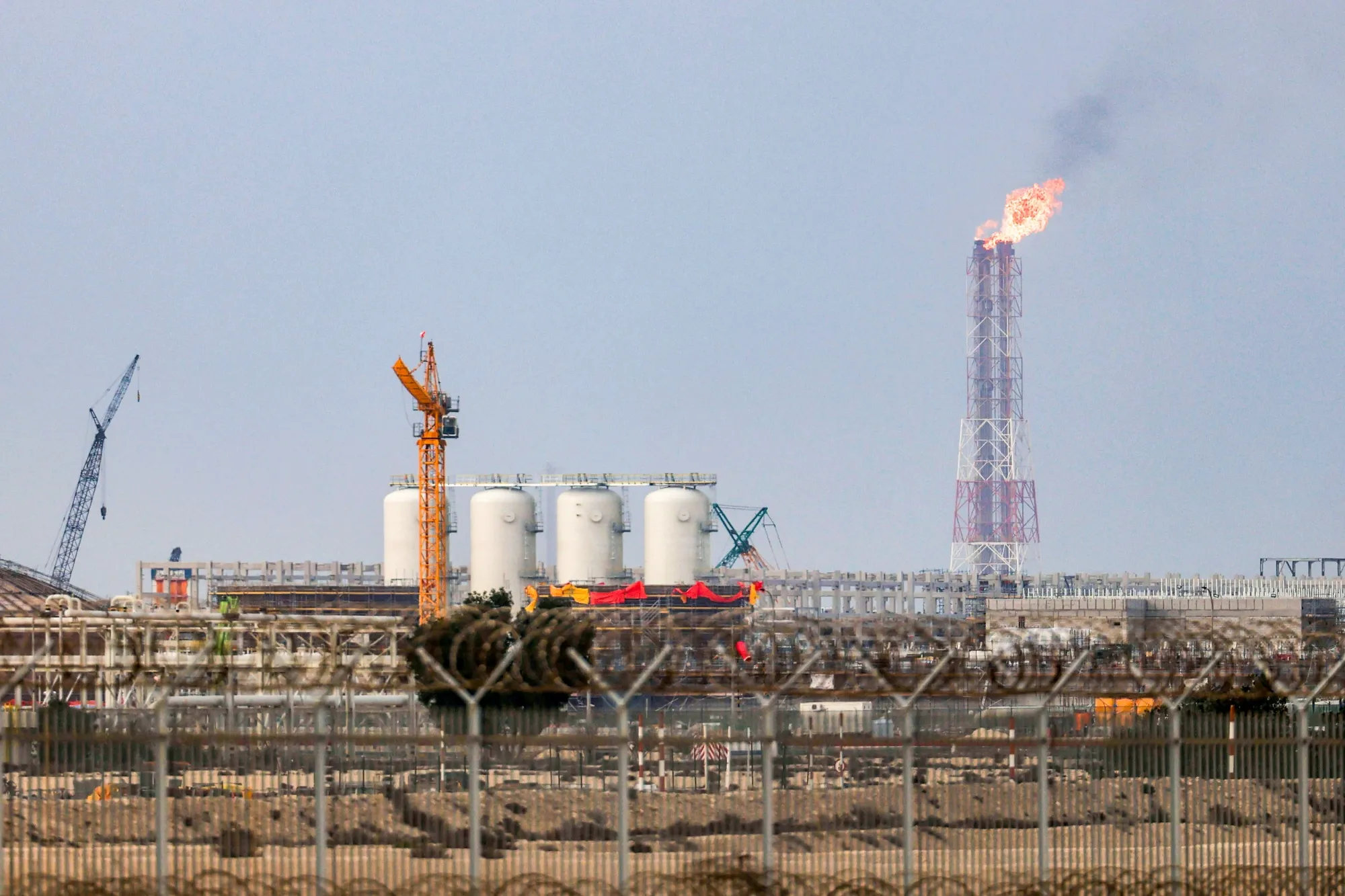
Recent attacks on Qatar’s LNG infrastructure have had significant economic and strategic consequences.
- Iranian missile strikes damaged major gas facilities in Qatar, disrupting global energy supplies.
- Qatar reported direct attacks on its key industrial hubs, raising security concerns.
- Diplomatic fallout included the expulsion of Iranian officials from Doha.
- Energy disruptions have forced countries like Italy to seek alternative gas sources.
These developments underscore how Qatar Iran relations are no longer confined to diplomacy but are now deeply intertwined with military and economic realities.
Energy Infrastructure Becomes the Battleground
One of the most alarming aspects of the crisis is the targeting of energy infrastructure. The shared gas field between Qatar and Iran—once a symbol of cooperation—has become a focal point of conflict.
Experts warn that attacks on energy facilities could have lasting global consequences, including:
- Disruption of LNG exports
- Rising global energy prices
- Increased geopolitical instability
The transformation of economic assets into military targets has redefined the stakes of Qatar Iran relations.
Gulf States Push for Stability
Despite escalating tensions, Gulf nations are increasingly advocating for de-escalation. Qatar’s call for coexistence reflects a broader concern that continued conflict could spiral into a regional war.
Diplomatic efforts led by Qatar and other regional actors aim to:
- Reduce military escalation
- Facilitate indirect negotiations
- Protect critical infrastructure
However, achieving these goals remains challenging amid deep mistrust and ongoing hostilities.
Global Impact of the Crisis
The implications of deteriorating Qatar Iran relations extend far beyond the Middle East. Global markets have already begun reacting to the uncertainty, particularly in the energy sector.
Investors are closely monitoring developments, with concerns about:
- Oil and gas supply disruptions
- Inflationary pressures
- Increased market volatility
The situation also has significant geopolitical implications, as countries reassess alliances and strategic priorities in response to the evolving crisis.
Political Reactions and Public Debate
The resignation has triggered widespread debate in the United States and beyond. Supporters view the move as a principled stand against escalation, while critics argue it undermines national unity.
The issue has quickly become a focal point in discussions about foreign policy, particularly regarding the balance between military action and diplomacy.
At the same time, public concern is growing over the potential consequences of continued conflict, including its impact on civilians and regional stability.
A Fragile Path Forward
The future of Qatar Iran relations now depends on whether diplomatic efforts can overcome the current climate of hostility. While Qatar continues to advocate for coexistence, the path to de-escalation remains uncertain.
Trust between Iran and its neighbors has been severely damaged, and rebuilding it will require sustained effort and compromise.
A regional expert summarized the situation:
“Qatar Iran relations are at a crossroads—either diplomacy prevails, or the region risks entering a prolonged and dangerous conflict.”
A Defining Moment for Regional Stability
The resignation of a top U.S. counterterrorism official has exposed deep divisions within Washington and intensified focus on the Iran conflict.
At the same time, Qatar is pushing for coexistence, even as its relationship with Iran faces unprecedented strain.
As Qatar Iran relations continue to evolve, the decisions made now could determine the future of stability across the Middle East and beyond.
