

Washington / Tehran, March 24, 2026 (Parliament Politics Magazine), oil market volatility crisis is rapidly intensifying as a senior U.S. counterterrorism official resigned in protest over the expanding war strategy against Iran, while Tehran declared its armed forces will fight “until complete victory,” sending shockwaves through global energy markets.
The convergence of political instability and military escalation is now directly impacting oil prices, supply chains, and investor confidence worldwide.
Resignation Exposes Deep Policy Divide
The resignation of a high-ranking counterterrorism official highlights growing internal conflict within the U.S. government. Sources indicate the official stepped down over concerns that the current war strategy lacks long-term vision and risks triggering wider instability.
The official reportedly warned that continued escalation could undermine counterterrorism efforts by fueling regional chaos and strengthening extremist narratives.
A senior geopolitical analyst stated:
“This resignation is a warning sign — when policy insiders begin to step away, it often means the risks are escalating beyond control.”
The move has intensified scrutiny of U.S. foreign policy at a time when global markets are already reacting to uncertainty.
Iran’s “Complete Victory” Warning Raises Stakes
Iran’s military leadership has taken a firm stance, declaring that its forces will continue fighting until achieving “complete victory.” This message signals a readiness for prolonged conflict and has further heightened global concerns.
The statement reflects a broader strategy of deterrence and resilience, aimed at demonstrating strength both domestically and internationally.
However, such rhetoric also increases the risk of escalation, particularly as both sides maintain hardened positions.
Energy Markets Feel Immediate Impact
The oil market volatility crisis is becoming one of the most visible consequences of the conflict. Energy markets have reacted sharply to developments, with fluctuations driven by fears of supply disruptions.
Key drivers of volatility include:
- Threats to major oil and gas infrastructure
- Increased military activity in key shipping routes
- Uncertainty surrounding future production levels
Oil traders and analysts are closely monitoring the situation, with many warning that continued escalation could push prices significantly higher.
Strategic Energy Infrastructure at Risk
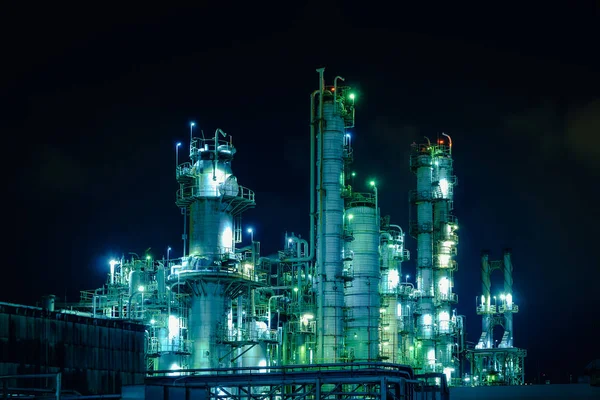
One of the most concerning aspects of the crisis is the vulnerability of energy infrastructure. The Middle East remains a critical hub for global oil production, and any disruption could have far-reaching consequences.
Recent tensions have raised fears of:
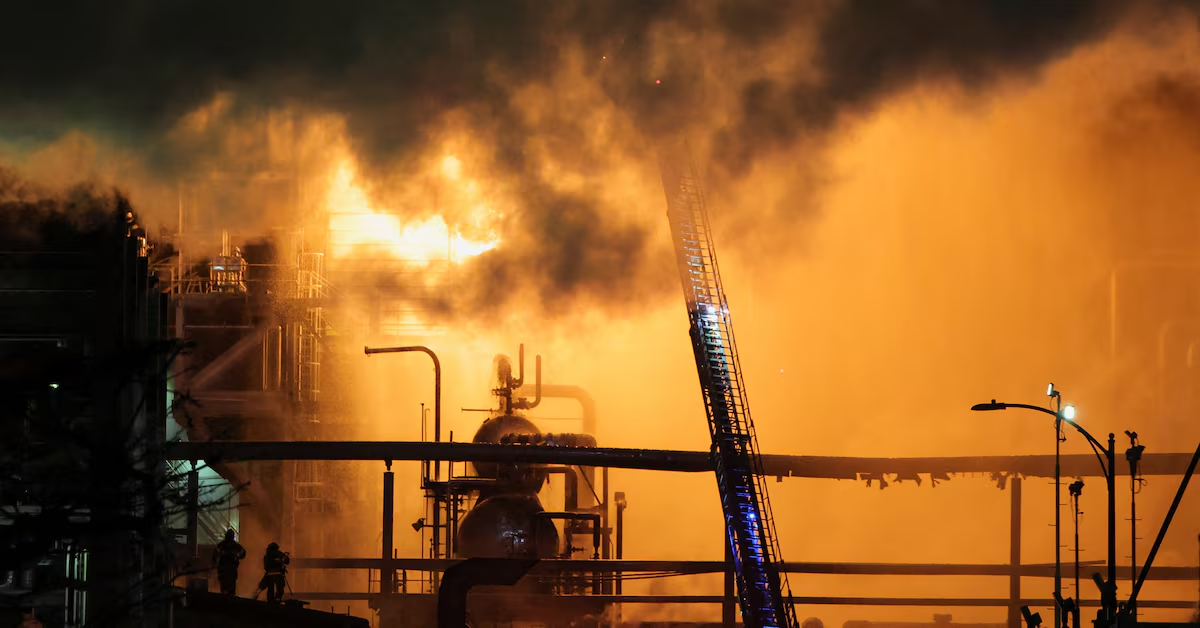
- Attacks on refineries and pipelines
- Disruptions in shipping lanes such as the Strait of Hormuz
- Reduced output from key producers
These risks are central to the oil market volatility crisis, as even minor disruptions can lead to major price swings.
Global Economic Ripple Effects
The impact of the oil market volatility crisis extends beyond energy markets. Rising oil prices can contribute to inflation, disrupt supply chains, and slow economic growth.
Governments and central banks are now facing increased pressure to manage these challenges, particularly as global markets remain fragile.
Investors are responding cautiously, with increased volatility across equities, commodities, and currencies.
Gulf States Push for Stability
Amid escalating tensions, Gulf nations are advocating for de-escalation and coexistence. Regional leaders have emphasized the importance of maintaining stability to protect economic interests and avoid broader conflict.
Their efforts focus on:
- Encouraging diplomatic dialogue
- Preventing attacks on critical infrastructure
- Maintaining energy production levels
However, achieving these goals remains difficult as geopolitical tensions continue to rise.
Political Fallout Intensifies in Washington
The resignation has sparked a wave of political reactions in the United States. Some officials have praised the decision as a principled stand, while others have criticized it as potentially weakening national security efforts.
The debate reflects broader concerns about the direction of U.S. foreign policy and its impact on global stability.
Public opinion remains divided, with many expressing concern over the economic and security implications of the conflict.
Growing Risk of Broader Conflict
The oil market volatility crisis is closely tied to the risk of a wider regional war. As tensions escalate, the potential for miscalculation increases, raising the possibility of a broader confrontation.
Experts warn that the interconnected nature of global energy markets means that any escalation could have immediate and widespread consequences.
The situation remains highly unpredictable, with multiple scenarios still possible.
Human and Strategic Costs Mount
Beyond economic impacts, the conflict carries significant human and strategic costs. Civilians across the region face increasing risks, while governments grapple with complex security challenges.
Humanitarian concerns are growing, with fears of displacement and infrastructure damage adding urgency to calls for de-escalation.
A Defining Moment for Global Markets
The resignation of a top U.S. counterterrorism official highlights deep divisions over the Iran conflict and its broader implications.
At the same time, Iran’s pledge of “complete victory” signals a willingness to sustain the fight, raising the stakes for global stability.
As the oil market volatility crisis intensifies, the coming weeks will be critical in determining whether diplomacy can prevent further escalation or if global markets face prolonged disruption.
