

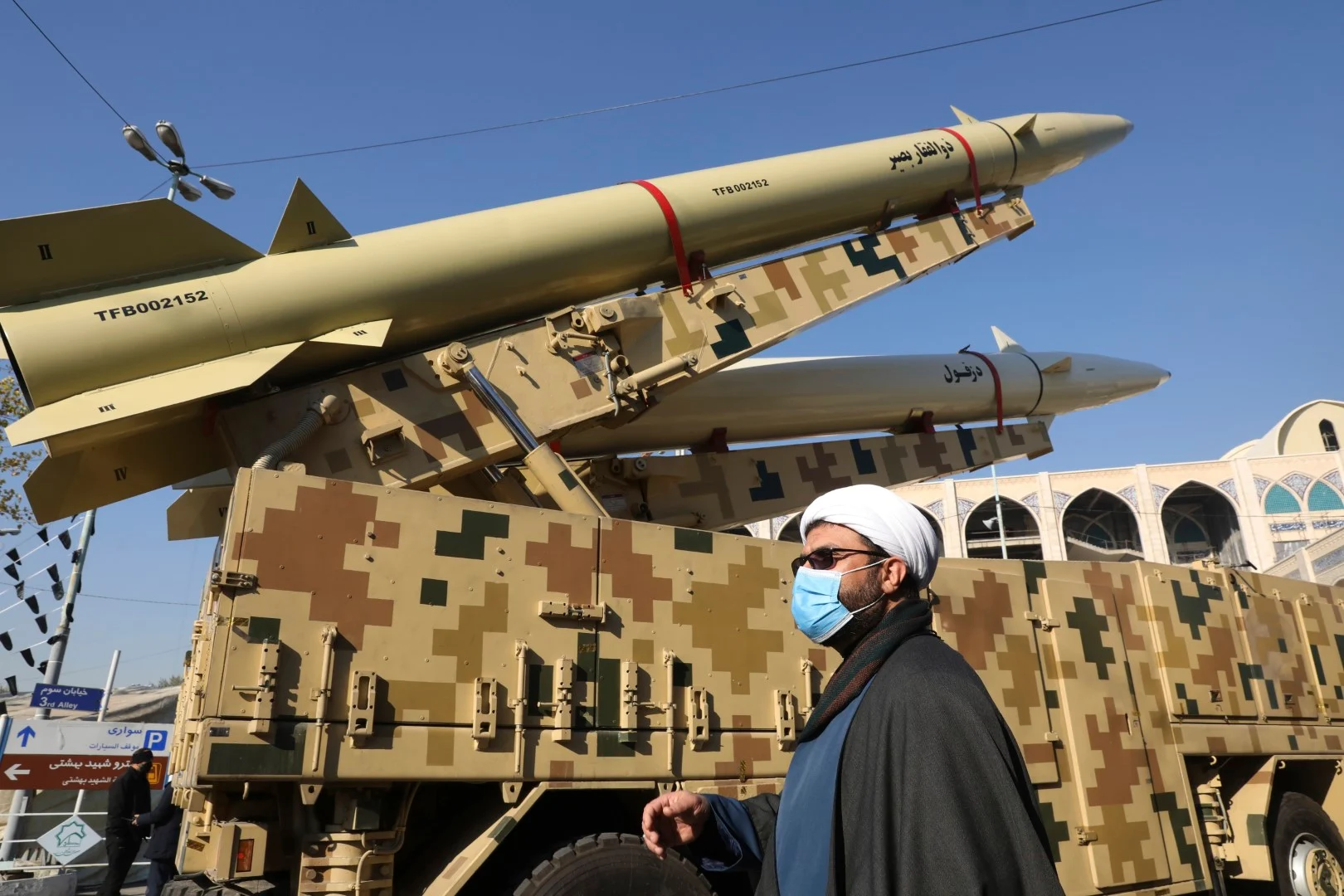
Washington, March 24, 2026 (Parliament Politics Magazine), Hezbollah retaliation risk has surged following the sudden resignation of a senior U.S. counterterrorism official, who stepped down in protest over the country’s expanding military posture toward Iran. The move has intensified concerns that Hezbollah and Iran could rely on each other if any ceasefire agreement is violated, raising the possibility of a broader regional conflict.
The resignation marks a rare and significant moment of internal dissent within U.S. national security leadership. Officials familiar with the situation suggest the departure stems from growing disagreements over escalation risks and the long-term consequences of current strategy in the Middle East.
Internal Divisions Emerge Over Iran Strategy
The resignation highlights mounting tensions within policy circles as Hezbollah retaliation risk becomes a central concern in ongoing strategic discussions. Behind closed doors, debates have intensified over whether current military actions could provoke unintended consequences across the region.
Sources indicate that the departing official raised alarms about the possibility of triggering coordinated responses from Iran-backed groups. These concerns reportedly centered on the risk of escalation beyond initial expectations, potentially drawing multiple actors into a wider conflict.
A senior security analyst commented:
“This is more than a resignation—it’s a warning sign. Hezbollah retaliation risk is no longer theoretical; it’s becoming a real strategic factor.”
Iran-Hezbollah Coordination Raises Alarm
Security experts have long noted the strategic relationship between Iran and Hezbollah, but recent developments suggest that coordination between the two could become more immediate in the event of conflict. The rise in Hezbollah retaliation risk reflects fears that both actors are prepared to act in tandem.
Intelligence assessments suggest that Hezbollah has contingency plans designed to support Iran if it faces direct military pressure. This includes the potential for rapid mobilization and targeted responses that could expand the scope of hostilities.
The interconnected nature of these alliances means that even a localized conflict could quickly escalate into a broader confrontation, complicating efforts to contain tensions.
Ceasefire Stability Under Pressure
The fragile state of ceasefire agreements in the region adds another layer of uncertainty. Officials warn that any violation—intentional or accidental—could trigger immediate responses from multiple sides, further elevating Hezbollah retaliation risk.
Diplomatic channels remain active, but the environment is increasingly volatile. The resignation of a key counterterrorism figure underscores concerns that existing strategies may not be sufficient to prevent escalation.
Experts emphasize that maintaining ceasefire conditions requires constant coordination and restraint, both of which are becoming more difficult to sustain.
Implications for US National Security
The loss of a senior counterterrorism official at this critical moment could have far-reaching implications. As Hezbollah retaliation risk grows, the need for experienced leadership becomes even more pronounced.
The role is essential for coordinating intelligence, assessing threats, and guiding policy decisions related to extremist groups and state-backed militias. Any disruption in leadership could impact the effectiveness of these efforts.
Policy experts warn that transitions during periods of heightened tension can create gaps in communication and decision-making, potentially weakening overall strategy.
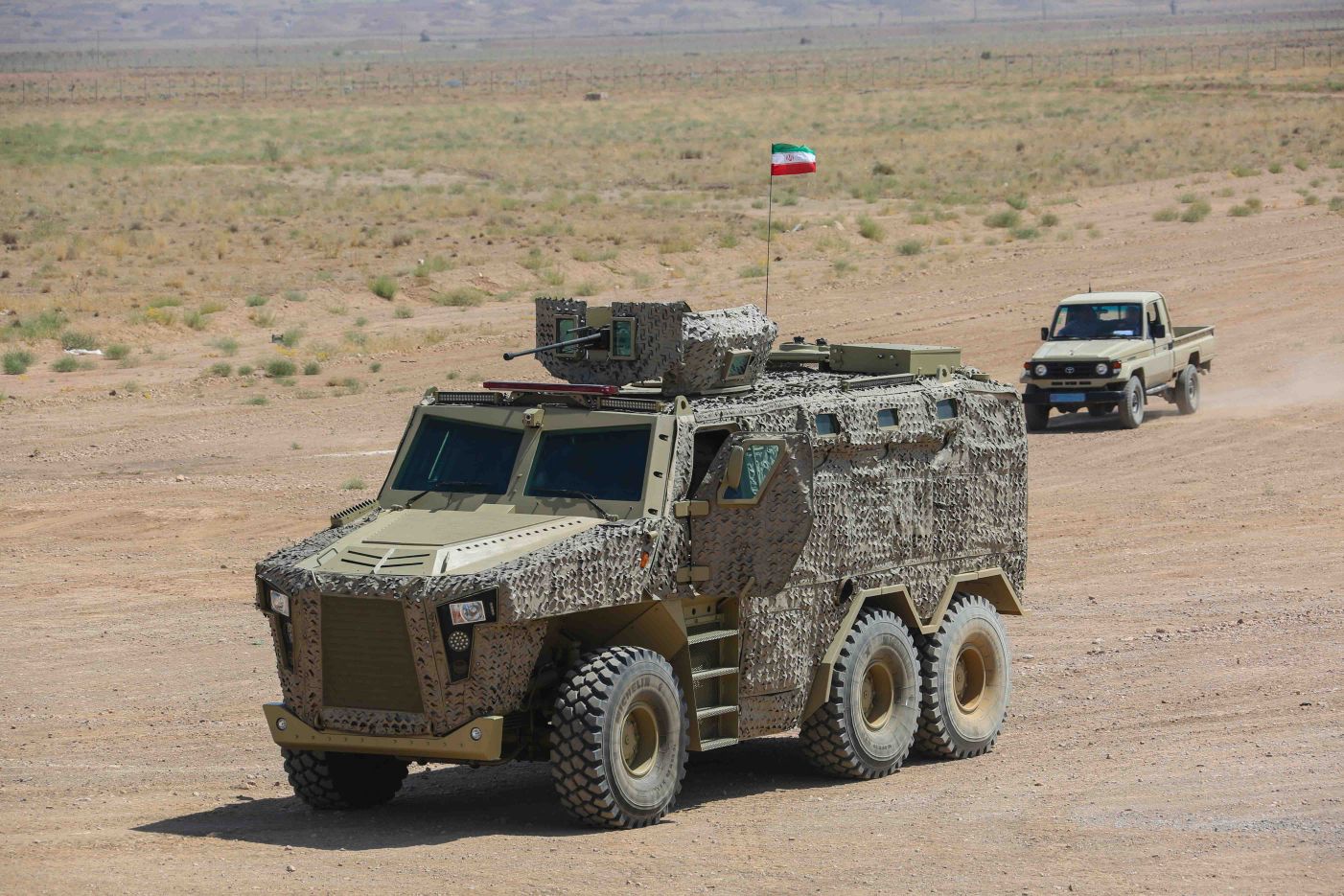
Global Markets React to Rising Tensions
The increase in Hezbollah retaliation risk has also drawn attention from global markets, particularly in the energy sector. Investors are closely monitoring developments, as any escalation involving Iran could disrupt oil supply and trigger price volatility.
The Middle East remains a critical hub for global energy production, and instability in the region often has immediate economic consequences. As tensions rise, concerns about supply disruptions are becoming more pronounced.
Countries dependent on oil imports are particularly sensitive to these developments, prompting calls for renewed diplomatic efforts to stabilize the situation.
Political Debate Intensifies in Washington
The resignation has sparked renewed debate within the United States about the direction of foreign policy. Lawmakers and analysts are divided on how best to address the growing Hezbollah retaliation risk.
Some argue that current strategies may be increasing the likelihood of conflict, while others maintain that a firm stance is necessary to deter aggression. The discussion reflects broader uncertainties about how to navigate a complex and evolving security landscape.
Public opinion appears similarly divided, highlighting the challenges facing policymakers as they attempt to balance competing priorities.
Regional Escalation Could Spread Quickly
Experts warn that the interconnected nature of alliances in the region means that escalation could spread rapidly. The rising Hezbollah retaliation risk underscores the potential for a localized conflict to expand into a multi-front confrontation.
Hezbollah’s capabilities, combined with Iran’s influence, create a dynamic where actions by one actor can trigger responses from several others. This increases the difficulty of managing tensions and preventing escalation.
Security analysts stress that careful planning and clear communication are essential to avoid miscalculations that could lead to broader conflict.
Uncertain Path Ahead for US Policy
As the situation continues to evolve, the resignation introduces new uncertainties into U.S. strategy. The growing Hezbollah retaliation risk will likely remain a central factor in decision-making moving forward.
Policymakers face the challenge of balancing military readiness with diplomatic engagement, all while navigating a highly volatile environment. The coming weeks are expected to be critical in determining the trajectory of the conflict.
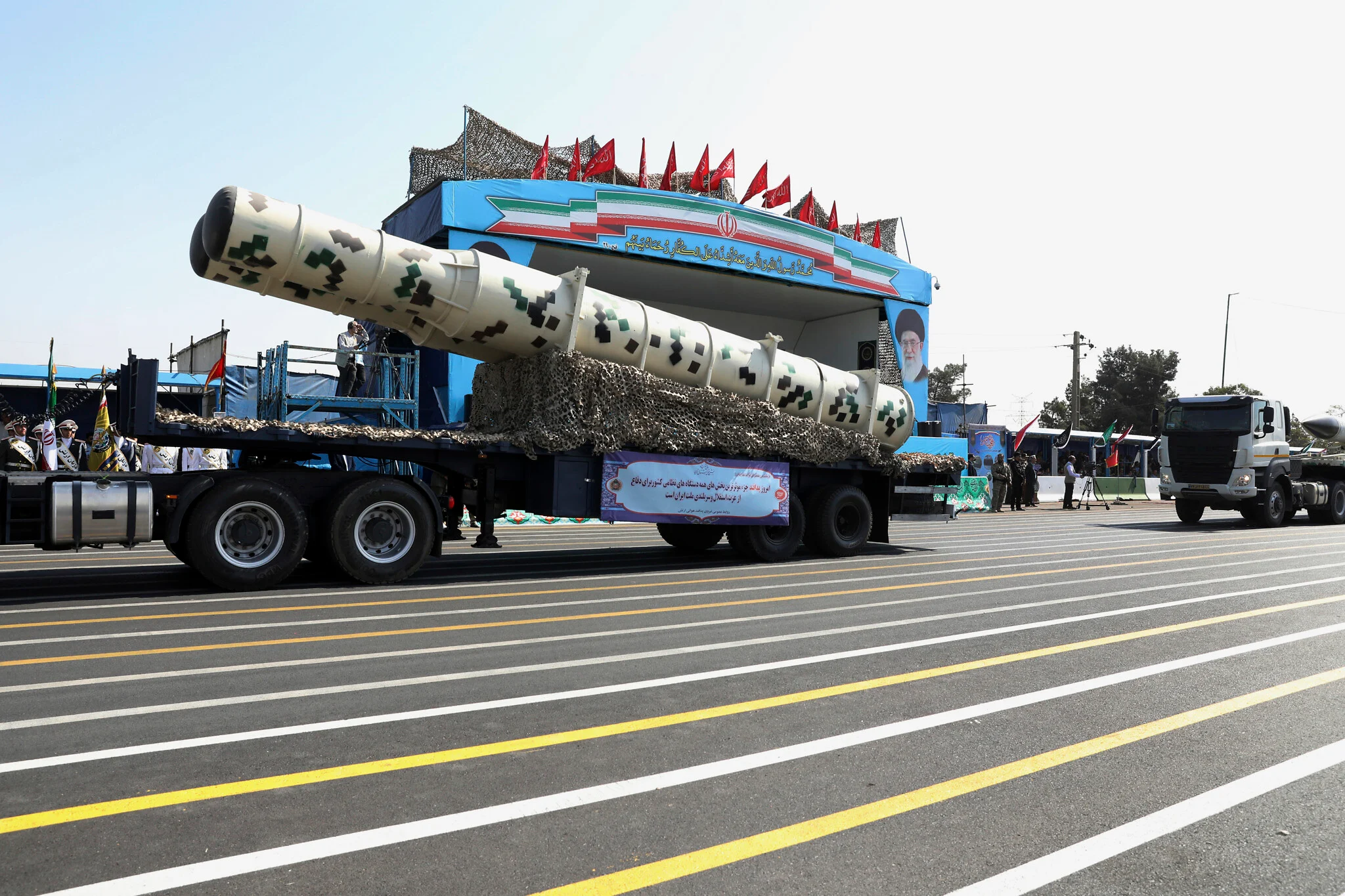
Why Hezbollah Retaliation Risk Matters Now
The resignation of a top U.S. counterterrorism official has exposed deep divisions over Iran war strategy and significantly heightened Hezbollah retaliation risk across the Middle East.
With Iran and Hezbollah potentially coordinating responses if ceasefire agreements collapse, the threat of regional escalation is growing rapidly. Global markets, national security, and diplomatic stability all remain at stake.
As tensions continue to rise, the world is watching closely to see whether leaders can prevent a crisis—or whether the situation will spiral into a wider conflict.
