

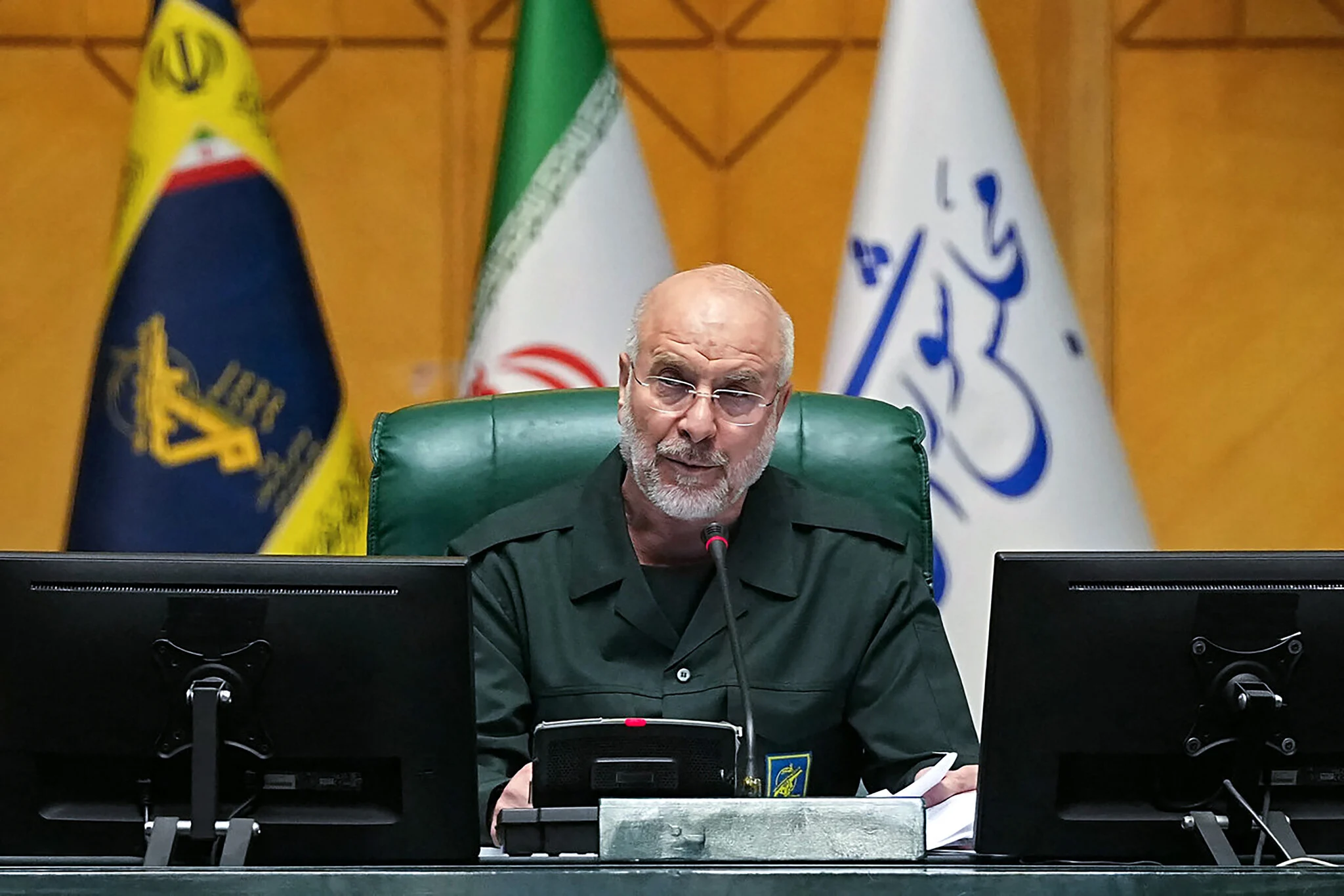
Washington, March 25, 2026 (Parliament Politics Magazine), Iran US tensions intensified sharply after a top U.S. counterterrorism official resigned in protest against the ongoing war strategy toward Iran, exposing deep divisions within national security leadership. The resignation comes amid escalating rhetoric from Tehran, including a warning from Iran’s parliament speaker that “US soldiers will fall victim to Netanyahu’s delusions.”
The development signals a critical moment in global geopolitics, as internal disagreements within Washington collide with growing instability across the Middle East.
Resignation Sparks Alarm Inside Washington
The departure of the senior counterterrorism official marks one of the most significant internal protests against U.S. policy in recent years. According to reports, the official stepped down after concluding that the current military approach toward Iran lacked sufficient justification and carried unnecessary risks.
In his resignation stance, he argued that Iran did not pose an immediate threat to the United States, directly challenging the administration’s rationale for military engagement.
A former intelligence official noted:
“This resignation is not routine—it reflects a fundamental disagreement over national security priorities and the direction of Iran US tensions.”
The move has triggered widespread concern among policymakers, analysts, and international observers.
Tehran’s Warning Raises Stakes
As Iran US tensions deepen, rhetoric from Iranian leadership has grown increasingly aggressive. Iran’s parliament speaker issued a stark warning, suggesting that American troops could become targets if current strategies continue.
This statement reflects broader concerns within Tehran that the United States is moving away from diplomacy and toward prolonged confrontation.
Recent developments show that Iran remains deeply skeptical of U.S. intentions, with officials dismissing negotiation efforts and accusing Washington of pursuing conflicting strategies.
A Region on Edge
The resignation comes at a time when the Middle East is already experiencing heightened instability. Military activity, political tensions, and economic uncertainty are all contributing to a volatile environment.
The ongoing conflict has included missile exchanges, regional proxy involvement, and threats to key global trade routes such as the Strait of Hormuz.
Experts warn that Iran US tensions could quickly escalate into a broader regional conflict involving multiple nations.
“The Middle East is a pressure cooker right now—one miscalculation could ignite a much larger war,”
said a geopolitical analyst.
Internal Divisions Undermine Strategy
The resignation has also exposed divisions within the U.S. government over how to handle Iran. While some officials advocate for strong military action, others emphasize the importance of diplomacy and de-escalation.
These internal disagreements could weaken the United States’ ability to present a unified strategy, both domestically and internationally.
The situation is further complicated by reports that diplomatic proposals are still being quietly exchanged, even as public rhetoric remains hostile.
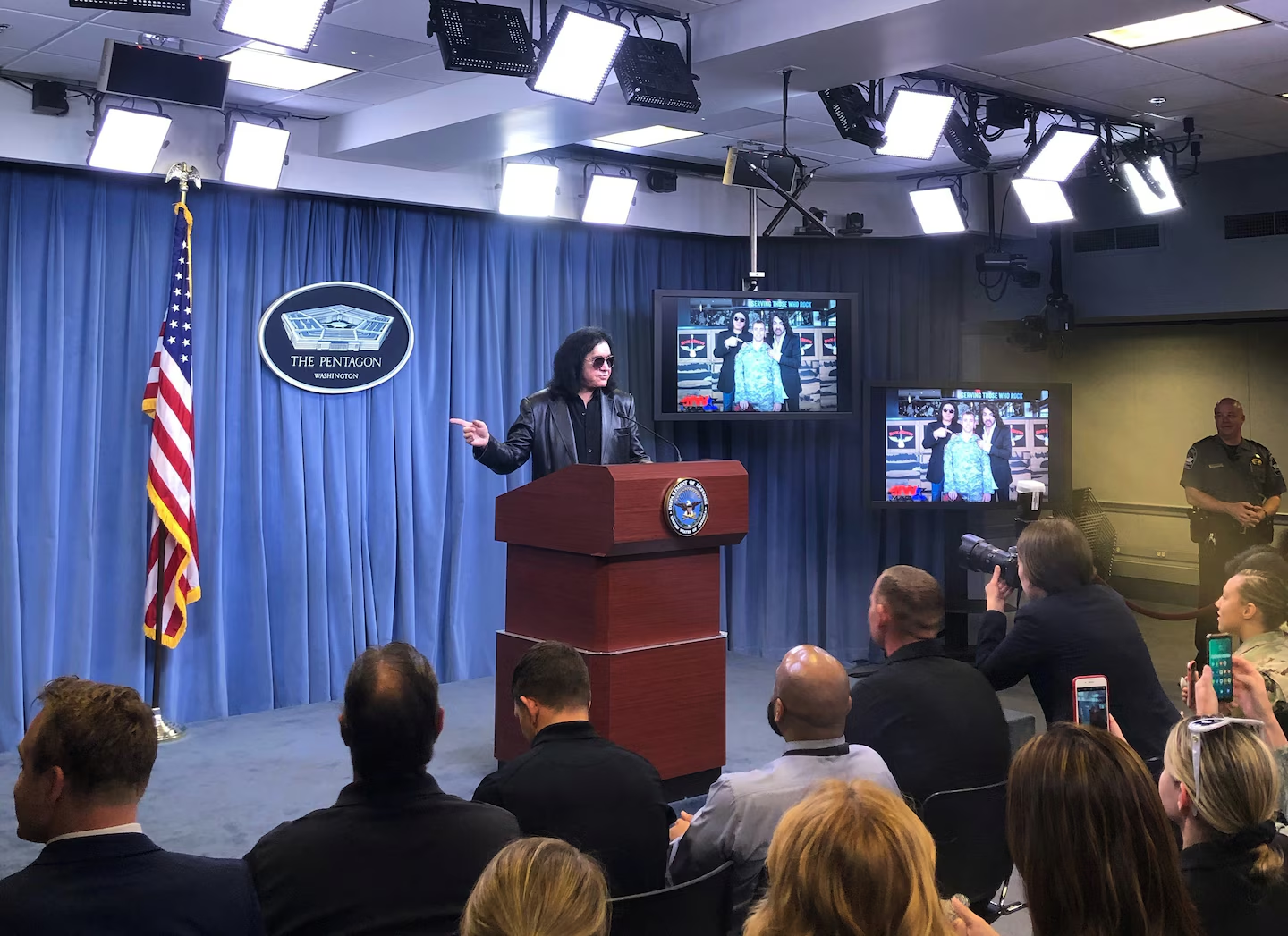
Influence of Regional Alliances
Iran US tensions are also being shaped by the role of regional allies, particularly Israel. Critics argue that U.S. policy may be influenced by external pressures, complicating efforts to pursue independent diplomatic solutions.
The Iranian parliament speaker’s reference to Israeli leadership highlights how regional dynamics are deeply intertwined with U.S. decision-making.
Observers note that balancing alliance commitments with national interests remains one of the most challenging aspects of U.S. foreign policy in the region.
Risks to US Military Personnel
One of the most immediate concerns is the safety of U.S. troops stationed across the Middle East. Iran’s warning that American soldiers could become targets has intensified fears of retaliation.
Military analysts caution that Iran possesses the capability to conduct asymmetric attacks, targeting U.S. forces and allies across multiple fronts.
This risk has sparked renewed debate over the extent of U.S. military involvement and the long-term sustainability of current strategies.
Diplomatic Efforts Hang in the Balance
Despite rising Iran US tensions, diplomatic channels have not completely collapsed. Reports indicate that indirect negotiations are ongoing, often facilitated by third-party countries.
However, the effectiveness of these efforts remains uncertain, particularly in light of internal disagreements within Washington.
said a foreign policy expert.
“Right now, that consensus appears fragile.”
The resignation may further complicate efforts to stabilize the situation through negotiation.
Economic and Global Implications
The impact of Iran US tensions extends beyond military concerns. Global markets are closely watching developments, particularly in the energy sector.
Any disruption in the Middle East could affect oil supply chains, increase prices, and create economic ripple effects worldwide.
Analysts warn that prolonged instability could undermine global economic recovery and increase geopolitical risk for investors.
A Turning Point in US Foreign Policy
The resignation represents more than a personnel change—it may signal a turning point in how the United States approaches Iran.
Historically, relations between the two nations have fluctuated between confrontation and negotiation. The current moment appears to be another critical juncture.
The challenge now is whether policymakers can recalibrate their approach to prevent further escalation while maintaining national security objectives.
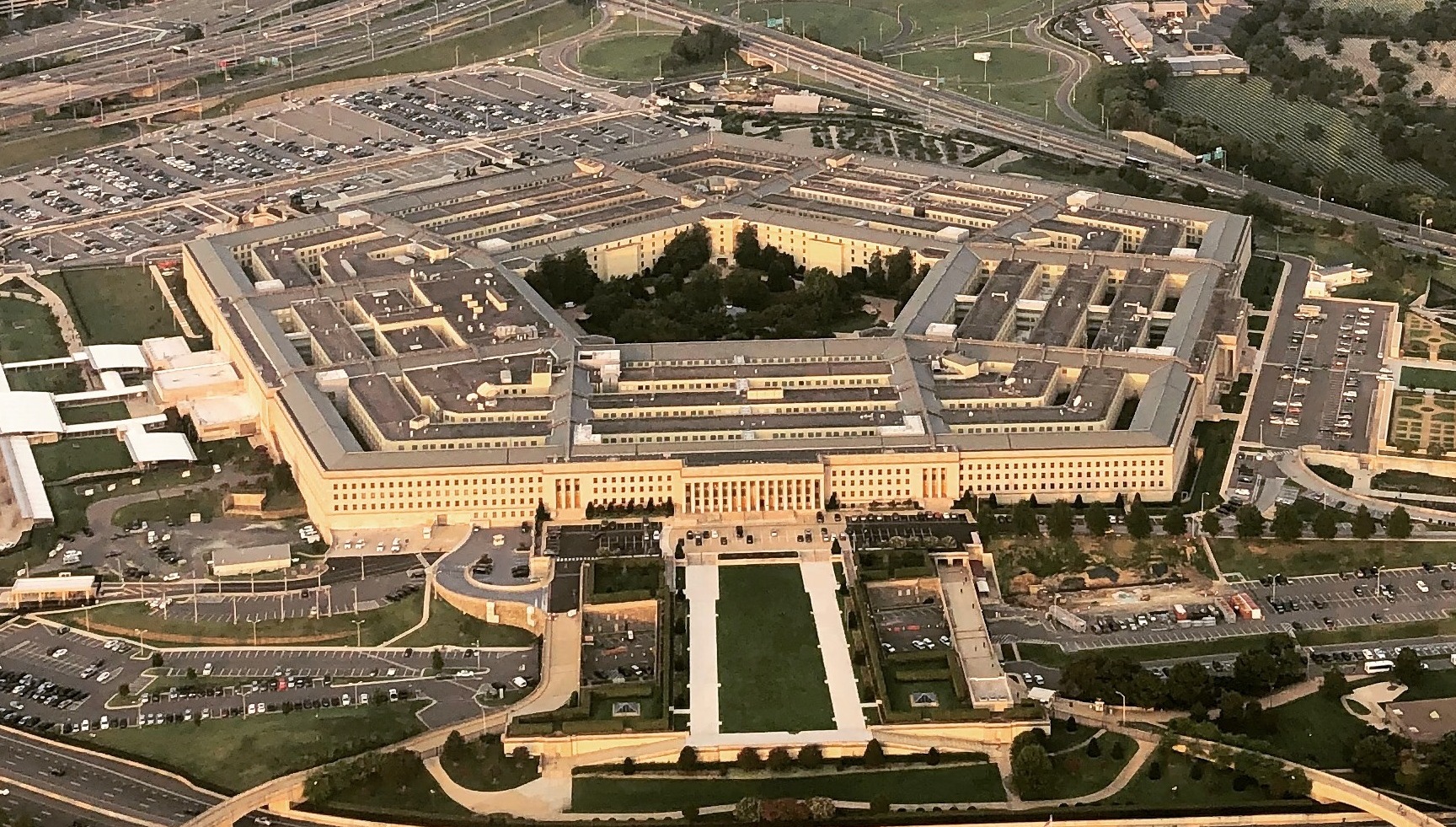
What Happens Next?
The coming weeks will be crucial in determining the trajectory of Iran US tensions. Key questions include:
- Will diplomatic efforts gain traction?
- Can internal divisions within Washington be resolved?
- Will military escalation continue or stabilize?
The answers to these questions will shape not only U.S.-Iran relations but also the broader geopolitical landscape.
“We are entering a defining moment where every decision carries global consequences,”
said a senior strategist.
Iran US Tensions Enter a Critical Phase
The resignation of a top counterterrorism official has brought renewed attention to the risks and uncertainties surrounding Iran US tensions. It highlights internal divisions, rising geopolitical risks, and the fragile state of diplomacy.
At the same time, it underscores the urgent need for strategic clarity and coordinated action.
Key Takeaways for Readers
- A top U.S. counterterrorism official resigned in protest of Iran war strategy
- Iran US tensions are escalating with strong warnings from Tehran
- Internal divisions in Washington raise concerns about policy direction
- Risks to U.S. troops and global stability are increasing
- Diplomatic efforts continue but remain uncertain
As Iran US tensions continue to evolve, the world is watching closely. The decisions made now could define the next phase of global security—and determine whether diplomacy or conflict prevails.
