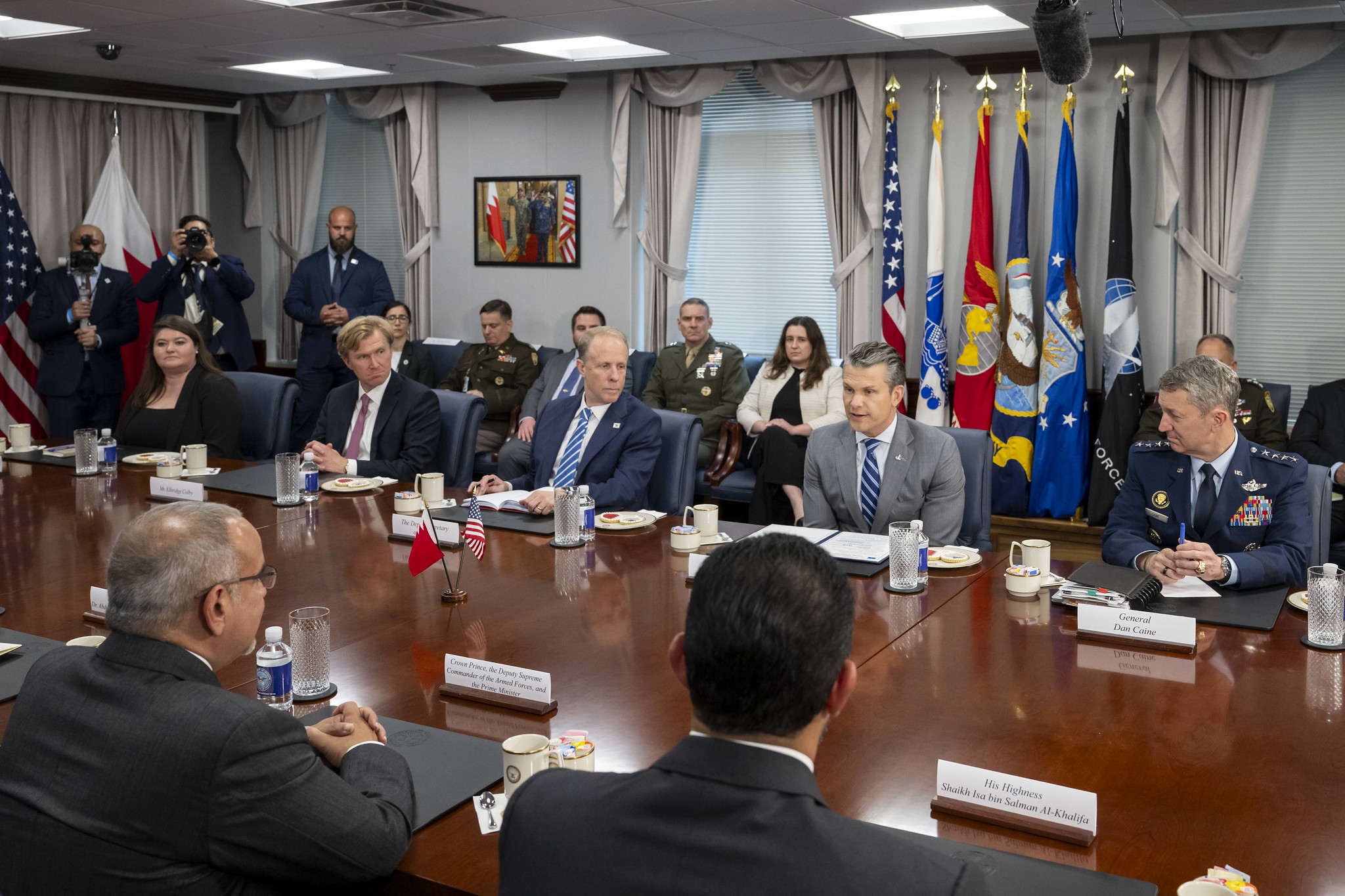
Washington / Islamabad , March 25, 2026 (Parliament Politics Magazine), US military strategy is under intense global scrutiny after a top counterterrorism official resigned in protest of the ongoing war with Iran, signaling deep divisions within the United States government. The development comes as Pakistan confirms it is relaying American demands to Tehran, highlighting the fragile state of diplomacy amid escalating military actions.
The resignation reflects growing concern that the current approach could push the region toward a broader and more dangerous conflict.
Resignation Exposes Internal Policy Divide
The former director of the National Counterterrorism Center stepped down after publicly opposing the war, stating he could not support the direction of policy. His resignation marks one of the most significant internal challenges to US military strategy since the conflict began.
Sources indicate that the official believed Iran did not pose an immediate threat, raising serious questions about the justification behind recent military actions.
A senior insider described the situation:
“This resignation shows that even those at the highest levels are questioning whether the current US military strategy is sustainable or justified.”
The departure has intensified concerns about a widening divide between policymakers advocating for aggressive action and those urging restraint.
Pakistan Emerges as a Key Diplomatic Channel
As direct communication between Washington and Tehran weakens, Pakistan has stepped in as a crucial intermediary. Officials confirmed that they are delivering US demands and proposals to Iranian leadership, acting as a bridge in a highly volatile situation.
Recent reports indicate that a multi-point proposal was sent to Tehran through Pakistani channels, though Iran has publicly dismissed negotiations.
This reliance on indirect diplomacy highlights the breakdown of traditional communication pathways and underscores the growing complexity of the crisis.
Military Buildup Signals Strategic Shift
Recent troop movements and deployments further illustrate the evolving US military strategy in the region. The Pentagon has positioned thousands of troops, including elite rapid-response forces, near key strategic areas as tensions escalate.
In addition, naval deployments and air operations have increased, signaling readiness for potential escalation while maintaining pressure on Iran.
Key developments include:
- Deployment of rapid-response airborne units
- Increased naval presence near critical shipping routes
- Strategic targeting of military infrastructure
These moves suggest a shift toward a more assertive posture, aimed at deterring Iranian actions while maintaining leverage in negotiations.
Iran Rejects Diplomatic Signals
Despite backchannel efforts, Iranian officials have publicly rejected the notion of meaningful negotiations, further complicating efforts to de-escalate the situation.
Iran’s military leadership has dismissed US outreach, emphasizing that regional stability depends on its own strategic posture rather than external pressure.
This rejection reflects a deep lack of trust and highlights the challenges facing any attempt to revive diplomacy under the current conditions.
Growing Risk of Regional Escalation
The resignation and subsequent developments have raised alarms among global observers who fear that the current trajectory could lead to a broader conflict.
Analysts point to several warning signs:
- Increased military deployments
- Breakdown in direct negotiations
- Rising tensions across multiple countries
The combination of these factors suggests that the situation is entering a critical phase, where miscalculations could have far-reaching consequences.
Debate Intensifies in Washington
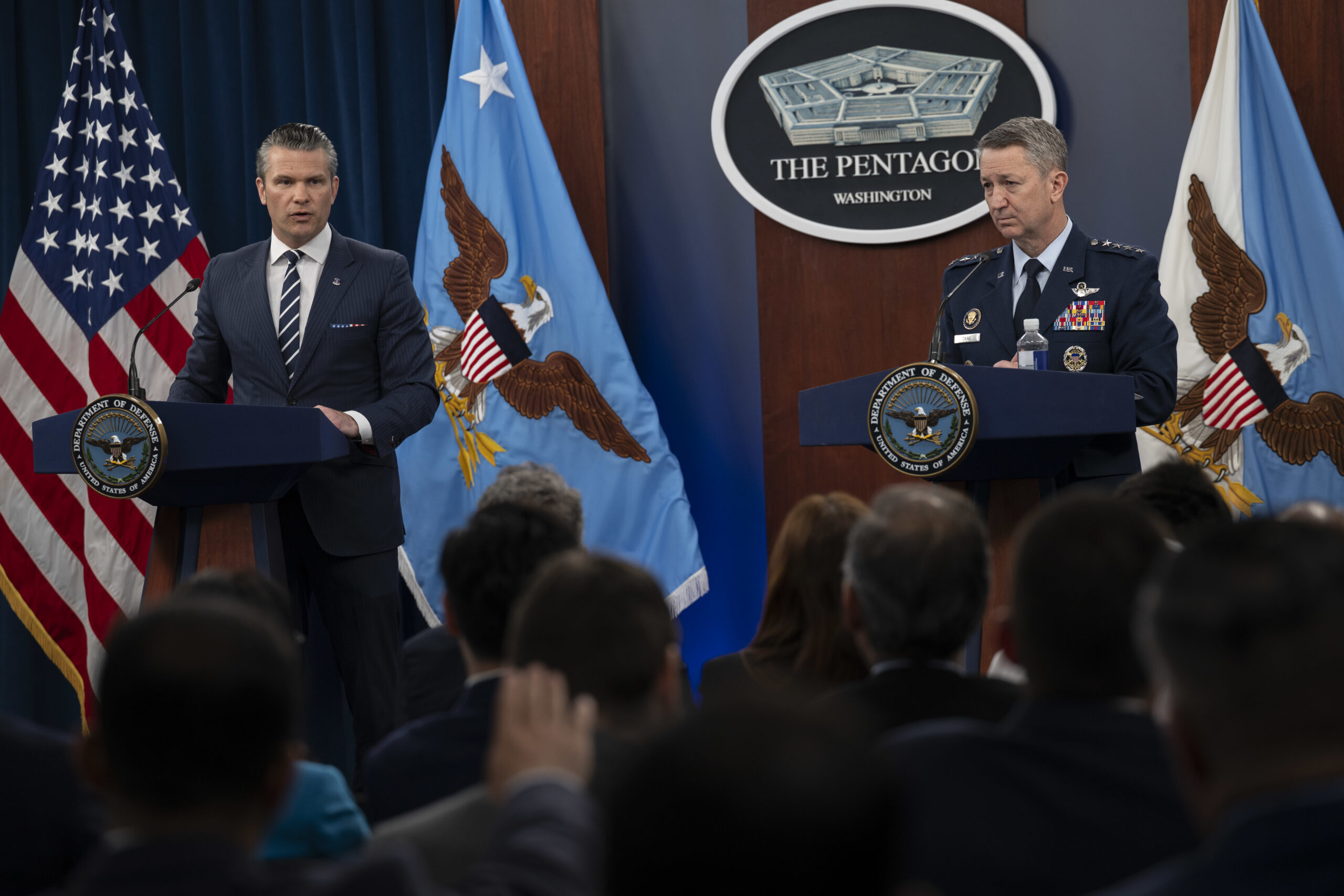
Within the United States, the resignation has sparked renewed debate over the direction of US military strategy.
Critics argue that the current approach risks repeating past mistakes, potentially leading to prolonged conflict without clear objectives. Supporters, however, contend that a strong military posture is necessary to counter threats and maintain stability.
This divide reflects broader questions about the role of military force in achieving long-term strategic goals.
Impact on Counterterrorism Operations
The departure of a senior counterterrorism official also raises concerns about the future of US security efforts.
A weakened diplomatic environment could:
- Limit intelligence-sharing opportunities
- Increase regional instability
- Create openings for extremist groups
Experts warn that undermining diplomatic engagement could ultimately weaken the effectiveness of counterterrorism operations.
Global Economic and Energy Concerns
The uncertainty surrounding US military strategy is already affecting global markets, particularly in the energy sector.
Oil prices have shown volatility as investors react to the possibility of disruptions in key supply routes. The Strait of Hormuz, a critical passage for global oil shipments, remains a focal point of concern.
Economic risks include:
- Rising fuel costs
- Supply chain disruptions
- Increased market uncertainty
These factors highlight the interconnected nature of geopolitical tensions and global economic stability.
What Comes Next for US Military Strategy
The coming weeks are expected to be critical in determining the future direction of US military strategy.
Key questions include:
- Will diplomatic channels be restored?
- Can tensions be reduced through mediation?
- Will military actions continue to escalate?
The answers to these questions will shape not only regional dynamics but also global security in the months ahead.
Expert Warning on Escalation Risks
International policy experts are urging caution, warning that the current situation could spiral out of control if not carefully managed.
One analyst stated:
“When military strategy begins to overshadow diplomacy, the risk of unintended conflict rises dramatically. This is a moment that requires careful decision-making.”
The warning reflects growing concern that the balance between military action and diplomatic engagement may be tipping too far in one direction.
A Defining Moment for US Military Strategy
The resignation of a top counterterrorism official has exposed deep divisions within the United States and raised serious questions about the future of US military strategy.
With Pakistan acting as a key intermediary and Iran rejecting direct engagement, the situation remains highly volatile. Military buildup, diplomatic strain, and internal disagreements all point to a critical turning point.
Key takeaways:
- Major resignation signals internal conflict
- Pakistan plays a central diplomatic role
- Military escalation risks remain high
The path forward will depend on whether leaders can balance strategic objectives with the urgent need to prevent further escalation.