

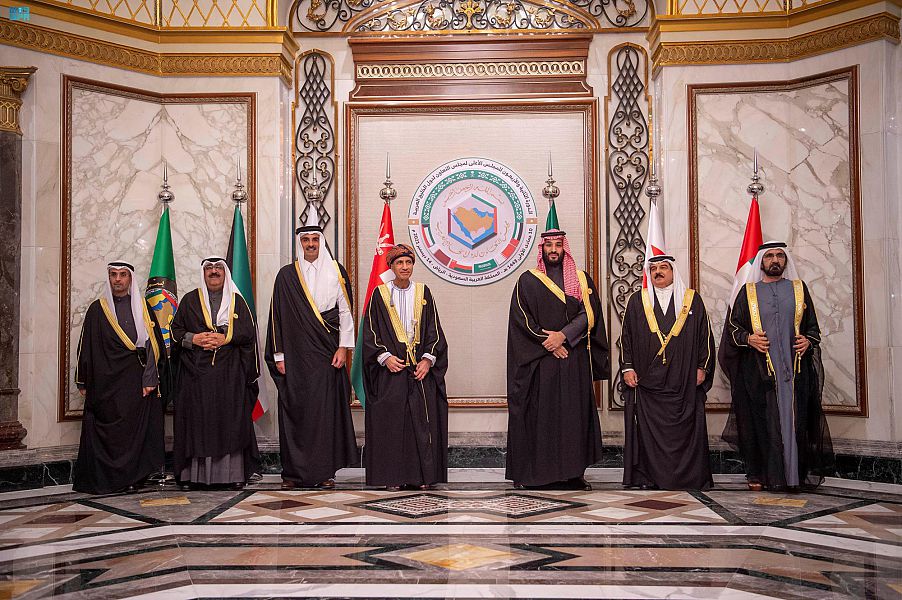
Riyadh, Saudi Arabia, March 26, 2026 (Parliament Politics Magazine) GCC officials Riyadh meeting takes center stage as tensions surge across the Middle East following a wave of coordinated attacks that have heightened fears of a broader regional conflict. Leaders from Gulf Cooperation Council (GCC) member states are convening in Saudi Arabia’s capital under mounting pressure to stabilize a rapidly deteriorating security landscape.
The emergency gathering reflects growing urgency among Gulf nations to present a unified response as geopolitical risks intensify and critical infrastructure across the region faces increasing threats.
Rising Tensions Force Urgent Diplomatic Action
The decision to hold the GCC officials Riyadh meeting comes after multiple incidents targeting energy facilities, transportation hubs, and strategic military positions across several countries in the Gulf and surrounding regions.
Officials familiar with the discussions say the attacks have exposed vulnerabilities in regional security coordination, prompting calls for enhanced intelligence sharing and joint defense strategies.
While details surrounding the perpetrators remain under investigation, the incidents have been widely interpreted as part of a broader escalation tied to ongoing conflicts and rivalries in the Middle East.
A senior regional analyst noted:
“This is not just about isolated attacks anymore. The pattern suggests a coordinated effort to destabilize key economic and security pillars across the Gulf.”
Strategic Importance of Riyadh Meeting
The GCC officials Riyadh meeting is being viewed as one of the most critical diplomatic engagements of the year. Saudi Arabia, as the largest economy in the Gulf, is leading efforts to unify member states around a common strategy.
Key objectives of the summit include:
- Strengthening joint military coordination
- Enhancing cybersecurity defenses
- Securing energy infrastructure
- Addressing potential economic fallout
- Preventing further escalation into open conflict
The meeting is also expected to address the broader geopolitical implications of rising tensions involving global powers and regional actors.
Energy Security at the Center of Discussions
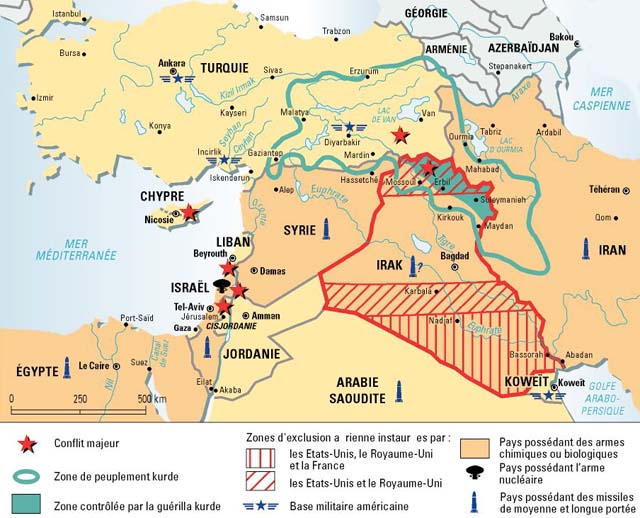
Energy infrastructure remains a primary concern for GCC nations, which collectively control a significant portion of the world’s oil and gas supply. Recent attacks targeting pipelines and export facilities have triggered alarm among global markets.
The GCC officials Riyadh meeting is expected to prioritize:
- Protection of oil fields and refineries
- Maritime security in key shipping routes
- Continuity of supply chains
- Contingency planning for disruptions
Experts warn that any sustained instability could lead to sharp increases in global energy prices, further impacting inflation and economic recovery worldwide.
Regional Unity Under Pressure
Despite shared concerns, achieving consensus among GCC member states may prove challenging. Each country faces unique political and economic pressures, which could complicate efforts to adopt a unified approach.
However, the urgency of the situation appears to be driving a rare moment of alignment.
A diplomatic source involved in the discussions stated:
“There is a clear understanding that division is no longer an option. The threats we face today require collective action, not individual responses.”
The GCC officials Riyadh meeting is expected to test the bloc’s ability to move beyond internal differences and present a cohesive front.
Broader Middle East Implications
The timing of the GCC officials Riyadh meeting coincides with heightened tensions involving multiple regional actors, including ongoing conflicts and proxy confrontations.
Analysts suggest the meeting could influence:
- Diplomatic relations with neighboring countries
- Military posturing across the region
- International involvement from global powers
- Future peace or conflict trajectories
There is also growing concern that continued escalation could draw additional countries into the crisis, further complicating an already volatile situation.
Economic Risks and Market Reactions
Financial markets have responded cautiously to the rising tensions. Investors are closely monitoring developments from the GCC officials Riyadh meeting, as outcomes could have significant implications for global trade and investment.
Key economic concerns include:
- Volatility in oil prices
- Disruptions to shipping routes
- Increased defense spending
- Reduced investor confidence
Economists warn that prolonged instability could slow economic growth not only in the Gulf but also in interconnected global markets.
Security Coordination and Intelligence Sharing
One of the central themes of the GCC officials Riyadh meeting is expected to be the enhancement of intelligence-sharing mechanisms among member states.
Improved coordination could help:
- Detect threats earlier
- Prevent future attacks
- Strengthen border security
- Enhance counterterrorism efforts
Officials are reportedly considering the establishment of a centralized intelligence hub to streamline information flow and response strategies.
International Community Watching Closely
Global powers are closely observing the GCC officials Riyadh meeting, recognizing its potential impact on international stability. The Gulf region remains a critical (pivot) for global energy supply and geopolitical balance.
Diplomatic observers suggest that the outcomes of the meeting could:
- Influence foreign policy decisions
- Shape international alliances
- Impact military deployments in the region
There is also speculation that the meeting could pave the way for broader diplomatic initiatives aimed at de-escalation.
Public Sentiment and Regional Stability
Across the region, public sentiment remains tense as citizens grapple with uncertainty and security concerns. Governments are under increasing pressure to ensure safety while maintaining economic stability.
The GCC officials Riyadh meeting is seen by many as a crucial step toward restoring confidence and preventing further deterioration of the situation.
What Comes Next?
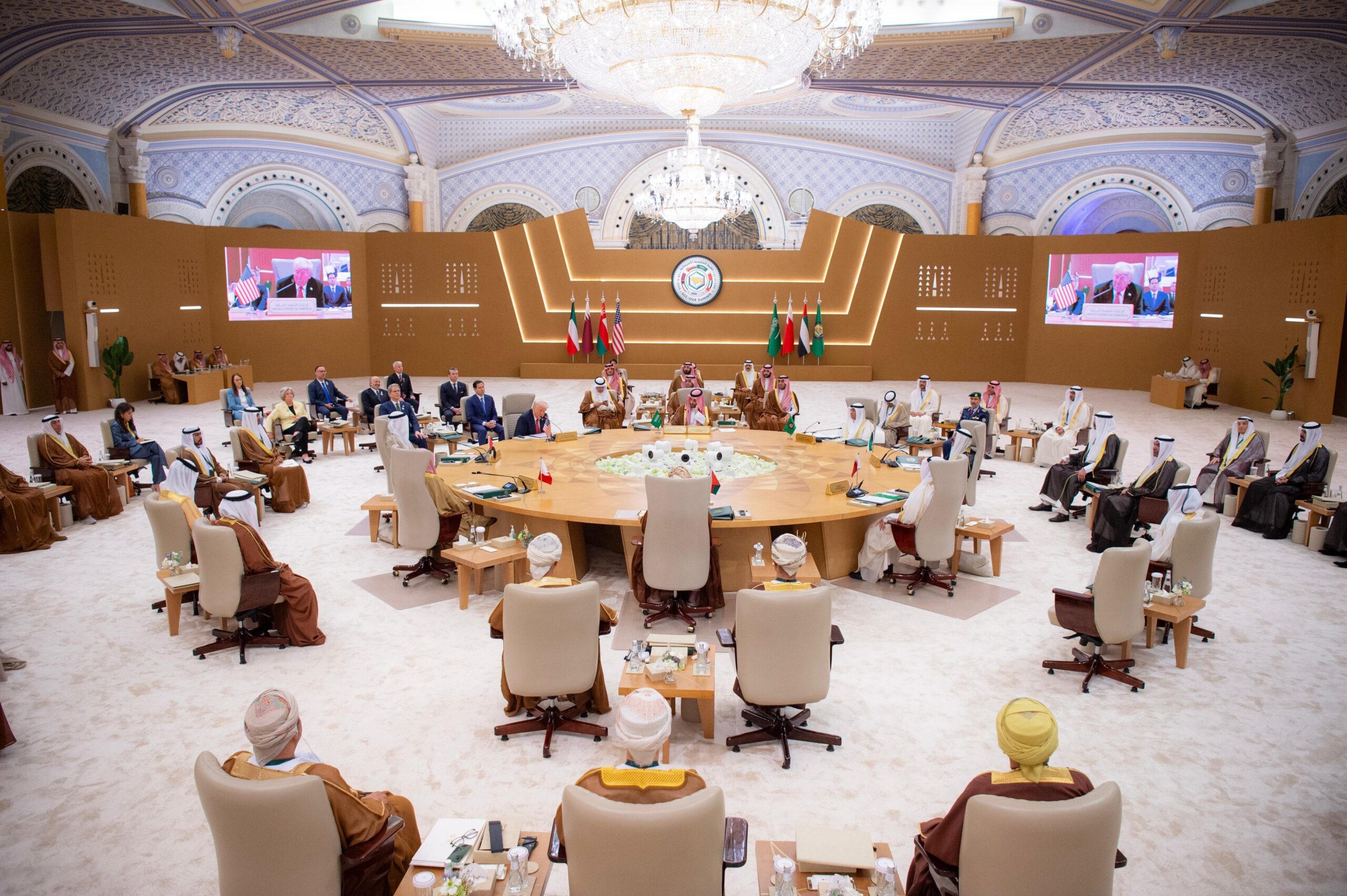
While expectations are high, the effectiveness of the GCC officials Riyadh meeting will ultimately depend on the willingness of member states to implement concrete measures beyond diplomatic statements.
Key indicators to watch include:
- Joint security agreements
- Coordinated military exercises
- Policy announcements on energy protection
- Diplomatic outreach efforts
The coming days are likely to reveal whether the meeting can produce actionable outcomes or remain largely symbolic.
A Defining Moment for the Gulf Region
The GCC officials Riyadh meeting represents a pivotal moment for the Middle East as leaders confront escalating threats and mounting uncertainty.
With regional attacks intensifying and global attention focused on the Gulf, the decisions made in Riyadh could shape the future of regional security, economic stability, and international relations.
As one senior official summarized:
“What happens here will determine whether we move toward stability, or further into crisis.”