
Washington, March 26, 2026 (Parliament Politics Magazine) global energy crisis risk is rapidly intensifying as a senior counterterrorism official has resigned in protest over escalating US-Iran tensions, signaling deep concern within national security circles. The resignation comes at a critical moment, following Israel’s alleged assassination of a senior commander in Iran’s Islamic Revolutionary Guard Corps (IRGC) Navy—an event experts warn could trigger severe disruptions in global energy markets.
According to sources close to the matter, the official stepped down after raising repeated objections to the current trajectory of US military policy. The growing global energy crisis risk, fueled by instability in key oil transit routes, was reportedly a central factor behind the decision.
Internal Fractures Emerge Over Strategic Direction
The resignation underscores widening divisions within the US national security establishment. While some officials advocate for aggressive deterrence measures, others warn that such actions are accelerating global energy crisis risk and undermining long-term stability.
Insiders suggest the departing official believed that counterterrorism efforts were being sidelined in favor of broader military escalation. This shift, they argued, could have unintended consequences, including destabilizing regions critical to global energy supply.
A senior policy analyst noted:
“When experienced counterterrorism leaders walk away, it reflects serious concerns—not just about security, but about the economic ripple effects tied to global energy crisis risk.”
Israel’s Alleged Strike and Its Global Impact
At the heart of the current escalation is Israel’s claimed assassination of a high-ranking IRGC Navy commander. While details remain limited, the strike is being viewed as a significant escalation with direct implications for global energy crisis risk.
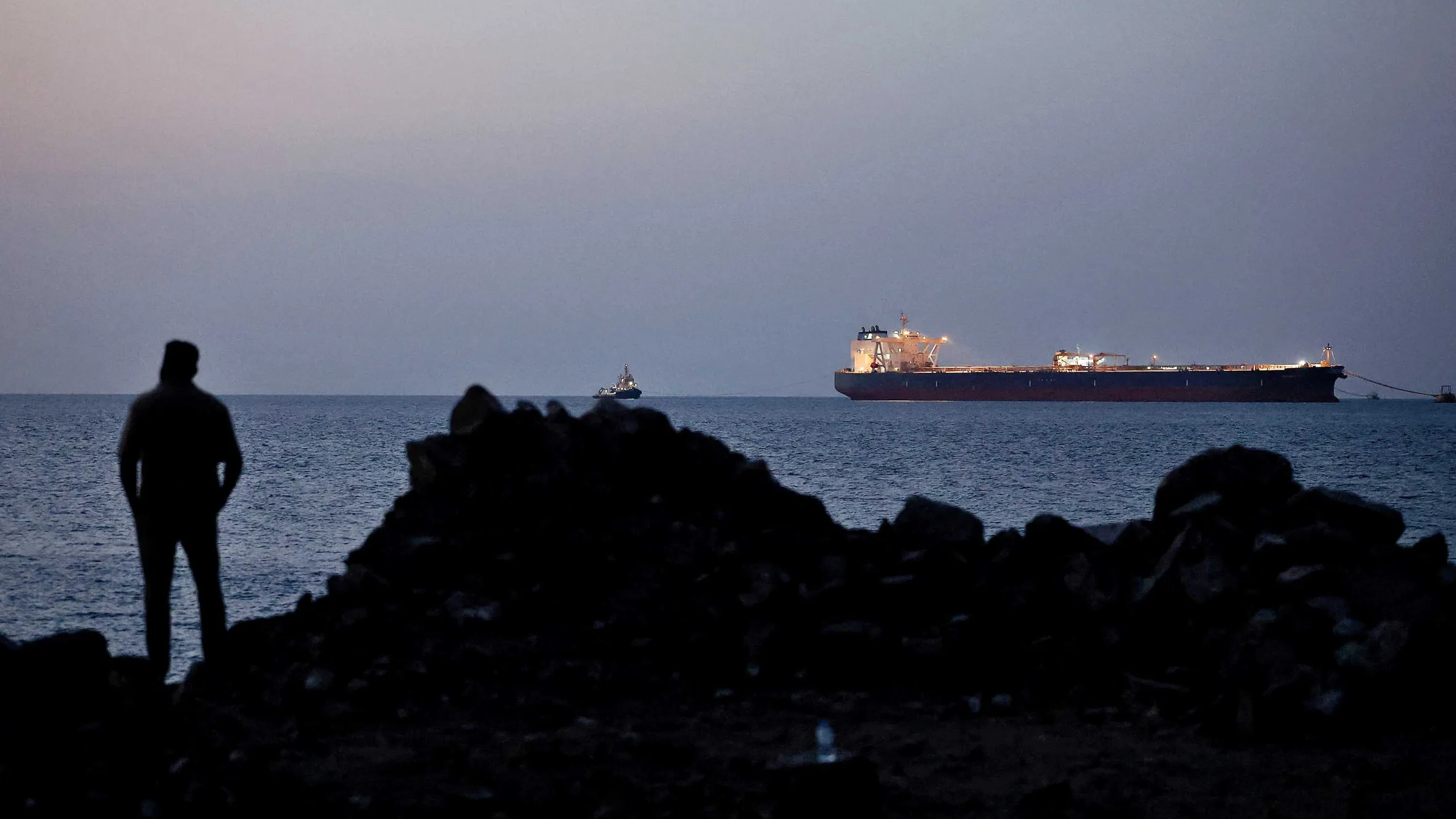
The IRGC Navy plays a pivotal role in securing Iran’s maritime operations, particularly in the Strait of Hormuz—a critical chokepoint through which a large portion of the world’s oil supply passes.
Any disruption in this region could lead to immediate supply shocks, driving up oil prices and amplifying global energy crisis risk across international markets.
Analysts warn that Iran may respond with measures that target shipping lanes or energy infrastructure, further compounding the situation.
Strait of Hormuz: A Flashpoint for Energy Markets
The Strait of Hormuz has long been recognized as one of the most strategically important waterways in the world. Even minor disruptions can have outsized effects on global energy prices.
With global energy crisis risk already rising, the possibility of military conflict in or near the strait is causing alarm among economists and policymakers alike.
Energy traders are closely monitoring developments, with some warning that sustained tensions could push prices to levels not seen in years.
A regional expert explained:
“This is where geopolitics meets economics. Any escalation here doesn’t stay local—it becomes a global energy crisis risk almost instantly.”
Rising Concerns Over Regional Escalation
The resignation also reflects broader fears that the situation could spiral into a multi-front regional conflict. The Middle East remains a complex network of alliances and proxy forces, making escalation difficult to contain.
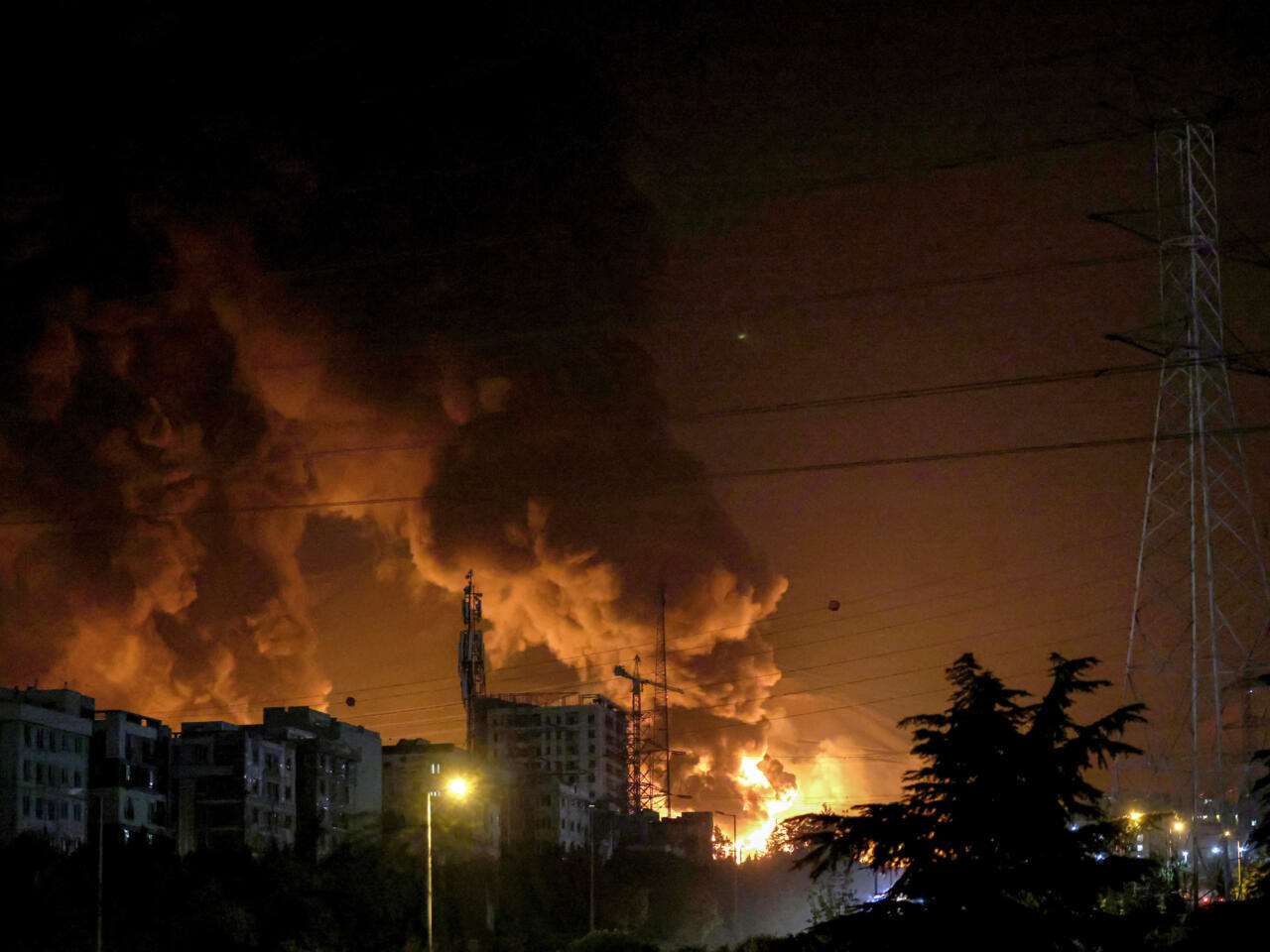
Military activity across the region has reportedly increased, with several countries placing forces on heightened alert. Intelligence operations and diplomatic efforts have also intensified as governments attempt to assess the evolving threat landscape.
The growing global energy crisis risk is now intertwined with these military developments, creating a volatile environment with both security and economic implications.
Policy Debate Intensifies in Washington
In Washington, the resignation has sparked renewed debate over US foreign policy and its potential consequences. Lawmakers are increasingly focused on the economic dimension of the conflict, particularly the global energy crisis risk facing consumers and businesses.
Some officials argue that strong action is necessary to counter Iran’s influence, while others call for a more measured approach to avoid exacerbating global instability.
The lack of a clearly defined long-term strategy has become a central point of criticism, with calls for greater transparency and oversight gaining momentum.
Counterterrorism Efforts Face New Challenges
One of the most significant concerns raised by the departing official is the potential impact on counterterrorism operations. As attention shifts toward state-level conflict, resources may be diverted away from combating extremist groups.
This could create opportunities for such groups to regroup, particularly in regions already destabilized by ongoing tensions.
At the same time, global energy crisis risk adds another layer of complexity, as economic instability can contribute to conditions that foster extremism.
International Community Urges Restraint
Global reactions to the situation have been cautious, with many international leaders urging restraint. European nations, in particular, have emphasized the need to prevent further escalation that could worsen global energy crisis risk.
Diplomatic channels remain open, but progress has been slow. Meanwhile, global markets are reacting to the uncertainty, with energy prices showing signs of volatility.
The interconnected nature of today’s global economy means that even localized conflicts can have far-reaching consequences.
A Defining Moment for Global Stability
The resignation of a top counterterrorism official at such a critical juncture highlights the seriousness of the current situation. It reflects not only internal disagreements but also broader concerns about the direction of global security and economic stability.
The convergence of military escalation and global energy crisis risk represents a unique challenge for policymakers.
Decisions made in the coming days could determine whether the situation stabilizes or continues to deteriorate.
Strategic Outlook: What Comes Next?
Looking ahead, uncertainty remains the defining characteristic of the current landscape. The interplay between geopolitical tensions and global energy crisis risk will likely shape developments in the weeks ahead.
Observers are closely watching for signs of de-escalation, but the potential for further conflict remains high.
The resignation serves as a warning that even those within the system are questioning the current path forward.
Global Energy Crisis Risk Takes Center Stage
The resignation of a senior counterterrorism official amid rising global energy crisis risk signals deep concern over the trajectory of US-Iran tensions. Combined with Israel’s alleged strike on an IRGC commander, the situation points to a rapidly escalating crisis with both security and economic consequences.
As global energy markets react and policymakers debate next steps, the risk of broader conflict continues to grow. The coming days will be critical in determining whether stability can be restored—or whether the world is heading toward a deeper crisis.