

Washington / Kyiv, March 26, 2026 (Parliament Politics Magazine) international security threat concerns are intensifying as a senior counterterrorism official has resigned in protest while Ukrainian President Volodymyr Zelenskyy confirmed that the United States has reached out regarding drone interceptions in the Middle East. The dual developments highlight a rapidly evolving crisis with growing global implications.
The resignation signals deep unease within national security leadership, while the rise in drone-related incidents suggests that the international security threat is no longer confined to traditional battlefields.
Senior Counterterrorism Official Steps Down
The resignation of a top counterterrorism official has sent a strong signal across intelligence and defense communities. According to sources familiar with the situation, the official stepped down after expressing serious concerns about the growing international security threat linked to ongoing geopolitical tensions.
The official reportedly warned that shifting focus toward broader military engagement could weaken long-established counterterrorism strategies. This concern reflects a broader debate about how best to address emerging global risks.
A senior analyst explained:
“When experienced leadership exits at a time like this, it indicates that the international security threat is evolving faster than current strategies can adapt.”
Zelenskyy Confirms US Outreach Over Drone Interceptions
In a significant development, Volodymyr Zelenskyy stated that the United States has initiated discussions regarding drone interceptions in the Middle East. While specifics remain limited, the move underscores the increasing importance of aerial defense in addressing the international security threat.
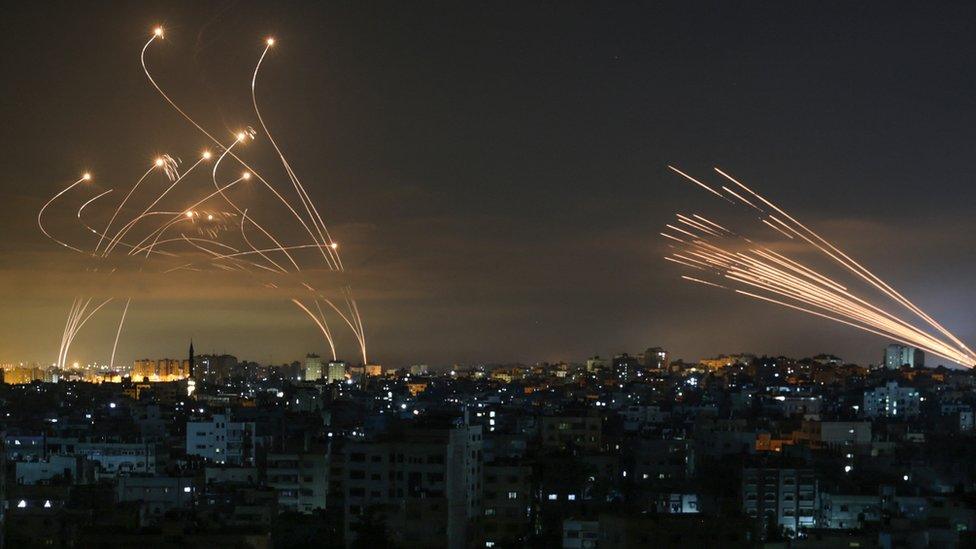
Drone interceptions have become more frequent, reflecting heightened tensions and the growing use of unmanned systems in conflict zones. These incidents highlight how modern warfare is shifting toward technology-driven engagements.
Experts believe this outreach signals a broader effort to coordinate responses to emerging threats that transcend regional boundaries.
Drone Warfare Redefines Global Risk Landscape
The international security threat is being reshaped by the rapid advancement of drone technology. Unmanned aerial systems are now widely used for surveillance, reconnaissance, and targeted operations.
However, the increasing frequency of drone interceptions raises concerns about accidental escalation. Misidentification or miscalculation could quickly lead to broader conflict.
Military strategists emphasize that the widespread availability of drone technology has lowered the threshold for engagement, making conflicts more unpredictable.
The international security threat is therefore becoming more complex, involving multiple actors and evolving tactics.
Strategic Debate Intensifies in Washington
The resignation has reignited debate within Washington about how to address the international security threat. Policymakers are divided over whether current strategies are sufficient to manage the rapidly changing landscape.
Some officials advocate for a more assertive approach, arguing that strong measures are necessary to deter adversaries. Others emphasize the importance of diplomacy and multilateral cooperation.
The lack of consensus reflects the complexity of the situation, as leaders grapple with balancing immediate security concerns and long-term stability.
Regional Tensions Continue to Escalate
The Middle East remains a focal point of the international security threat, with tensions continuing to rise. Military activity, intelligence operations, and diplomatic efforts have all intensified.
The involvement of multiple regional and global actors adds to the complexity, increasing the risk of miscalculation. Each new development has the potential to escalate the situation further.
Experts warn that the interconnected nature of these conflicts makes containment increasingly difficult.
Global Implications of the Crisis
The international security threat extends far beyond the Middle East, affecting countries around the world. Governments are closely monitoring developments, assessing potential risks to their own security and economic stability.
The growing reliance on advanced technologies such as drones has also raised concerns about the future of warfare. The implications of these changes are still being understood.
The current situation highlights the need for coordinated international responses to address emerging challenges.
Counterterrorism Efforts Face New Pressures
One of the key concerns raised by the departing official is the potential impact on counterterrorism operations. As attention shifts toward broader geopolitical issues, there is a risk that extremist groups could exploit gaps in security.
Maintaining a focus on counterterrorism remains critical, even as new threats emerge. The international security threat is multifaceted, requiring a balanced and adaptive approach.
Security experts stress the importance of not losing sight of long-term objectives.
Diplomatic Efforts and International Response
The international community has responded with caution, emphasizing the need to prevent further escalation. Many leaders are calling for renewed diplomatic engagement to address the international security threat.
While some nations support stronger measures, others advocate for dialogue and de-escalation. The differing perspectives reflect the complexity of the situation.
Diplomatic channels remain open, but progress has been limited.
A Turning Point for Global Stability?
The convergence of internal dissent, technological advancements, and rising tensions suggests that the international security threat is entering a new phase.
The resignation of a senior official may be seen as a turning point, highlighting the challenges of managing an increasingly complex global landscape.
Whether this moment leads to meaningful change or further escalation remains uncertain.
What Lies Ahead?
The trajectory of the international security threat will depend on a range of factors, including military developments, diplomatic initiatives, and technological advancements.
Observers are closely watching for signs of stabilization, but risks remain high. The evolving nature of modern conflict adds an additional layer of uncertainty.
The coming weeks will be critical in shaping the future of global security.
A Growing Global Concern
The resignation of a top counterterrorism official underscores the seriousness of the international security threat. At the same time, Volodymyr Zelenskyy’s confirmation of US outreach over drone interceptions highlights the expanding scope of the crisis.
Together, these developments point to a rapidly evolving situation that extends beyond traditional conflicts. As new threats emerge and tensions rise, the international community faces increasing uncertainty about how to respond effectively.
