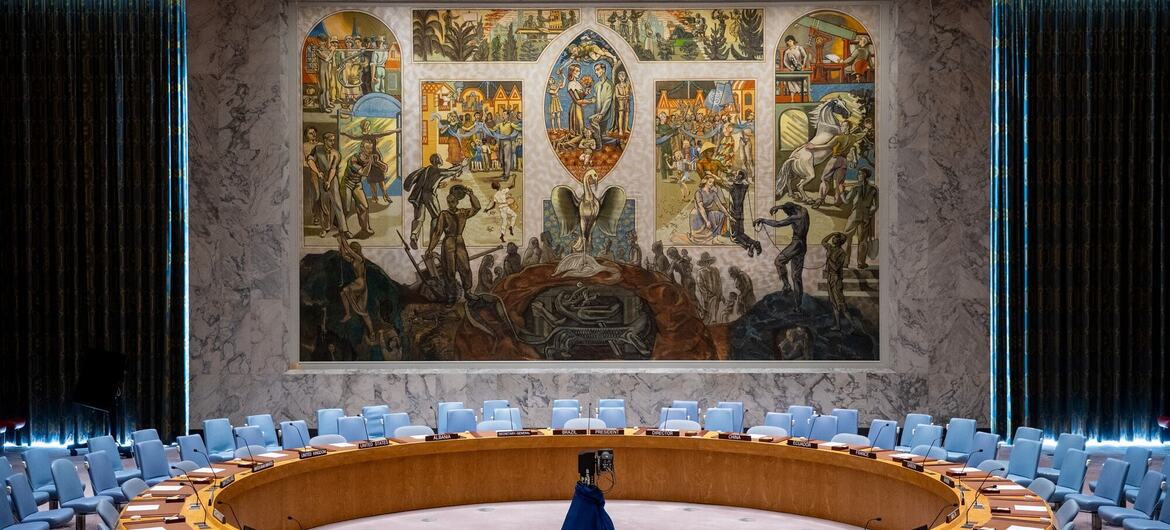
Washington / Beirut, March 26, 2026 (Parliament Politics Magazine) Lebanon UN complaint is rapidly becoming the center of an escalating geopolitical crisis, as mounting tensions in the Middle East are now compounded by the resignation of a senior counterterrorism official protesting US military actions against Iran.
The convergence of diplomatic confrontation and internal dissent highlights a dangerous moment in global politics, with experts warning that the region may be approaching a critical tipping point.
Resignation Reflects Deepening Policy Divide
The abrupt resignation of a top counterterrorism official has drawn international attention, not only because of its timing but also due to what it represents—a growing divide within leadership circles over the direction of US foreign policy.
Sources familiar with the situation indicate that the official stepped down after voicing concerns about escalating military strategies and their long-term consequences on global stability.
A senior policy observer stated:
“This is more than a resignation—it’s a warning sign that internal confidence in current strategies is weakening.”
The move underscores rising unease within national security frameworks as tensions with Iran intensify.
Lebanon UN Complaint Filed Over Israeli Attacks
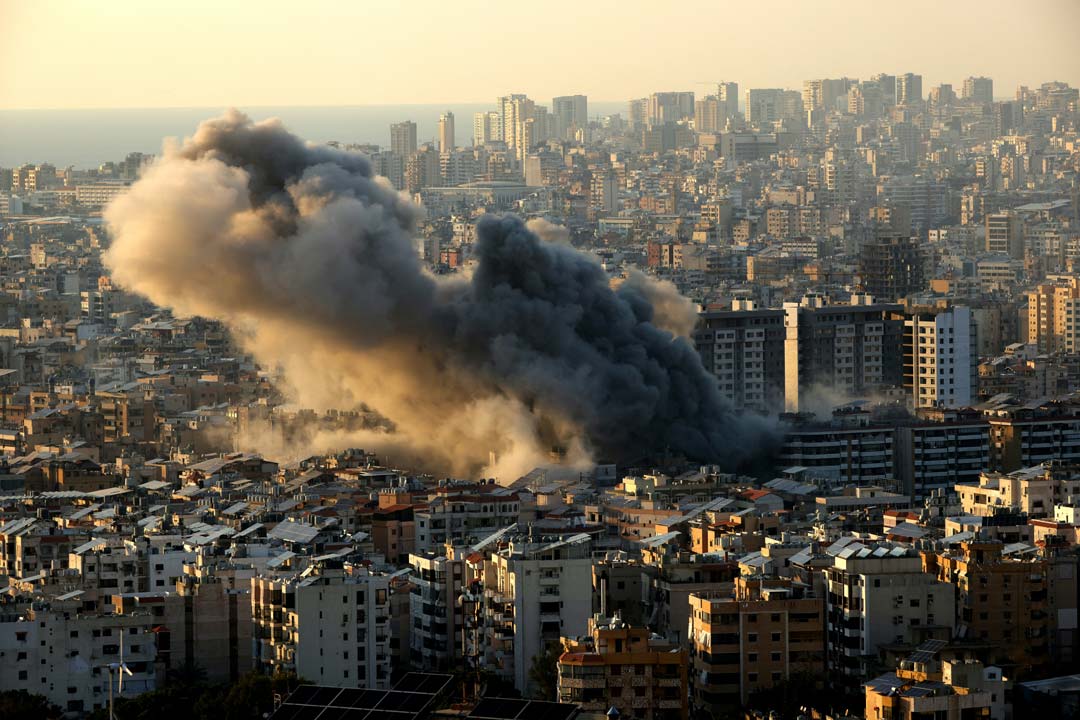
Simultaneously, the Lebanon UN complaint has formally been submitted to the United Nations Security Council, accusing Israel of repeated violations of Lebanese sovereignty through ongoing airstrikes.
Lebanese officials argue that these operations have endangered civilians and destabilized already fragile regional dynamics. The complaint calls for urgent international intervention and accountability measures.
Authorities in Beirut stressed:
“Lebanon cannot remain silent as violations continue. The international community must act before the situation spirals further.”
This diplomatic step marks a significant escalation, signaling Lebanon’s intent to internationalize the crisis.
Middle East Tensions Reach a Critical Stage
The Lebanon UN complaint, combined with internal dissent in US leadership, reflects a broader pattern of escalating tensions across the Middle East.
Military analysts warn that the situation could quickly expand beyond isolated incidents into a multi-front conflict involving regional and global actors.
Key risks include:
- Increased cross-border military engagements
- Expansion of proxy conflicts
- Heightened threats to maritime trade routes
- Rising geopolitical instability
The alignment of these factors suggests that the current crisis could have far-reaching implications.
Economic Shockwaves Begin to Surface
The geopolitical instability tied to the Lebanon UN complaint is already influencing global economic conditions. Energy markets, in particular, are showing signs of volatility as fears grow over potential disruptions to supply chains.
Experts warn that:
- Oil and gas prices could surge sharply
- Inflation pressures may intensify globally
- Developing nations could face disproportionate economic hardship
An international economist commented:
“Every escalation linked to the Lebanon UN complaint amplifies global economic uncertainty. The consequences extend far beyond the region.”
Global Reaction: Calls for Diplomacy Amid Rising Fear
The international response to the Lebanon UN complaint and the resignation has been mixed, reflecting differing geopolitical interests.
While some countries are urging immediate diplomatic engagement and de-escalation, others are aligning with strategic military objectives.
Key developments include:
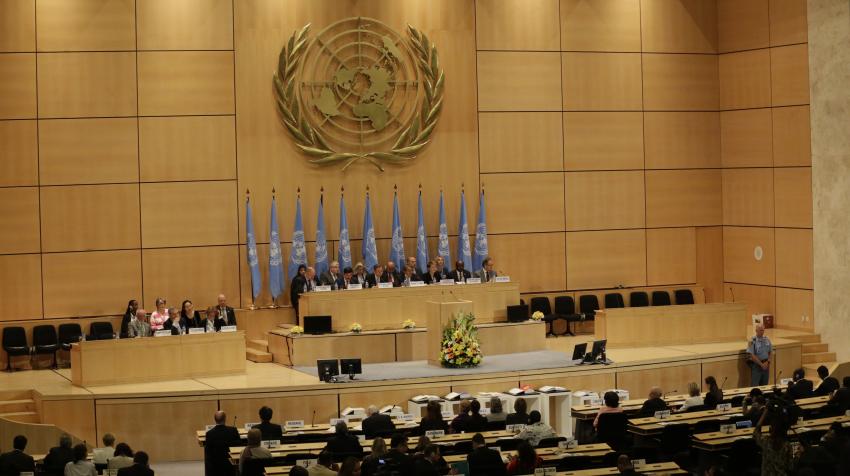
- Emergency discussions at the UN Security Council
- Diplomatic outreach efforts by global powers
- Increased military readiness in allied regions
Despite these efforts, critics argue that meaningful progress toward de-escalation remains limited.
Security Risks and Long-Term Consequences
Security experts caution that the fallout from the Lebanon UN complaint and ongoing conflict could undermine global counterterrorism efforts.
The resignation of a senior official highlights concerns that current strategies may inadvertently weaken international cooperation.
Identified risks include:
- Reduced intelligence-sharing between nations
- Increased vulnerability to extremist activities
- Fragmentation of global security alliances
These challenges add another layer of complexity to an already volatile situation.
A Region Facing Uncertainty
The Middle East now stands at a precarious crossroads, with the Lebanon UN complaint serving as a symbol of escalating tensions and unresolved conflicts.
Observers warn that without immediate diplomatic breakthroughs, the region could face a prolonged period of instability, potentially drawing in additional nations and intensifying global repercussions.
What Comes Next?
As the Lebanon UN complaint moves through the United Nations and global leaders assess the implications of the resignation, the focus shifts to whether diplomacy can still prevail.
Critical questions include:
- Will the UN take decisive action?
- Can tensions between key players be reduced?
- Will additional internal dissent emerge within governments?
The answers to these questions will shape the trajectory of the crisis in the weeks ahead.
Lebanon UN Complaint Signals Escalating Global Crisis
The Lebanon UN complaint and the resignation of a top counterterrorism official represent a pivotal moment in the evolving US-Iran conflict. Together, these developments expose deep internal divisions and rising international concern.
As geopolitical tensions intensify and economic risks grow, the possibility of a broader conflict becomes increasingly real. The world now watches closely as diplomatic efforts attempt to contain a rapidly escalating crisis.