

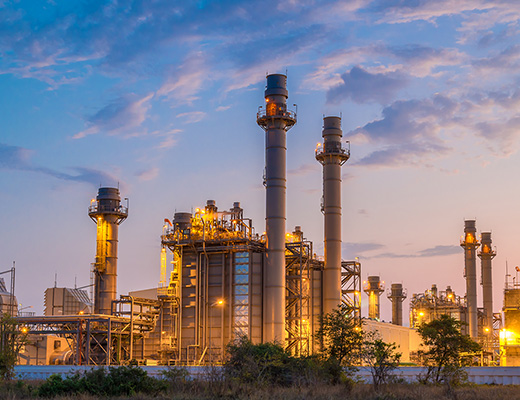
New Delhi, March 27, 2026 (Parliament Politics Magazine) economic impact energy crisis intensifies as India eyes Russian gas as war on Iran drives energy chaos, signaling a major shift in global energy strategy amid rising supply disruptions and geopolitical uncertainty.
As tensions surrounding Iran escalate, global energy markets are experiencing severe volatility. India’s move to secure Russian gas highlights the urgency among major economies to stabilize fuel supplies and shield themselves from price shocks and supply interruptions.
Energy Instability Accelerates Global Concerns
The phrase economic impact energy crisis is now dominating global discussions as oil and gas markets react to uncertainty caused by conflict involving Iran. Disruptions in supply chains and fears over restricted transit routes have pushed energy prices upward.
India eyes Russian gas as war on Iran drives energy chaos, reflecting a broader trend where countries are prioritizing energy security over traditional alliances.
Analysts warn that continued instability could trigger long-term consequences for both developed and developing economies.
India’s Strategic Shift Toward Russian Gas
India’s decision to explore Russian gas imports is rooted in economic necessity and long-term planning. With global prices fluctuating, securing a reliable and potentially discounted energy source has become critical.
Officials indicate that negotiations are underway to establish stable supply agreements that could reduce exposure to volatile markets.
“The economic impact energy crisis is forcing nations to rethink energy dependencies and act quickly to secure stability,”
a senior energy analyst stated.
India eyes Russian gas as war on Iran drives energy chaos, positioning itself to mitigate risks while ensuring continued economic growth.
Global Markets Feel the Pressure
The economic impact energy crisis is already being felt across global markets. Rising energy costs are influencing multiple sectors, from transportation to manufacturing.
Key effects include:
- Increased fuel prices affecting global logistics
- Higher production costs for industries
- Inflationary pressure on consumer goods
- Volatility in stock and commodity markets
India eyes Russian gas as war on Iran drives energy chaos, underscoring how interconnected global economies are when it comes to energy supply.
Strategic Trade Routes Under Threat
One of the central drivers of the economic impact energy crisis is the vulnerability of critical energy transit routes, particularly in the Middle East.
Any disruption in these routes can significantly impact global supply, leading to immediate price surges. The Strait of Hormuz remains a key concern for policymakers and energy companies alike.
India’s approach reflects a strategic effort to reduce reliance on unstable transit corridors and diversify supply chains.
Diplomatic Complexity Increases
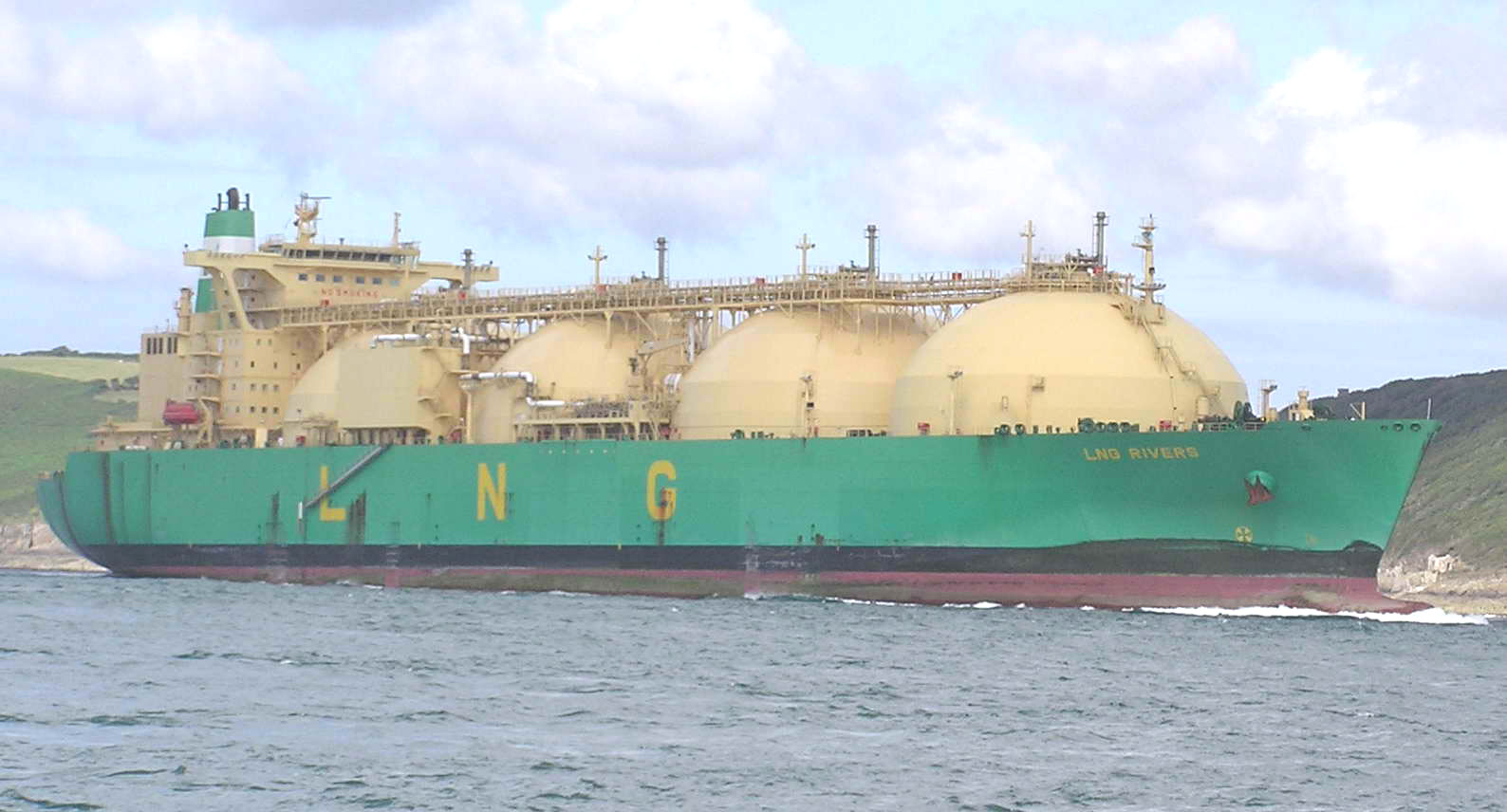
India’s move toward Russian gas also introduces new diplomatic challenges. Balancing relationships with Russia while maintaining ties with Western nations requires careful navigation.
The economic impact energy crisis is reshaping global alliances, as countries prioritize national interests and energy security over traditional partnerships.
India eyes Russian gas as war on Iran drives energy chaos, highlighting the evolving dynamics of international relations.
Impact on Developing Nations
The economic impact energy crisis is expected to hit developing countries the hardest. Limited financial resources make it difficult for these nations to absorb rising energy costs.
Potential outcomes include:
- Slower economic growth
- Increased cost of living
- Strain on public services
- Greater economic inequality
India’s proactive strategy may offer insights for other nations seeking to navigate similar challenges.
Investor Sentiment and Market Outlook
Investors are closely watching developments related to the economic impact energy crisis. Energy stocks have shown increased volatility, while uncertainty continues to influence market behavior.
India eyes Russian gas as war on Iran drives energy chaos, becoming a focal point for financial analysis and forecasting.
Market experts suggest that stability will depend on both geopolitical developments and policy responses.
Long-Term Energy Policy Shifts
The current crisis could accelerate changes in global energy policy. Governments are likely to focus on:
- Diversifying energy sources
- Increasing investment in renewables
- Enhancing domestic production
- Building strategic reserves
The economic impact energy crisis may ultimately drive innovation and resilience within the energy sector.
Human Consequences of Energy Disruptions
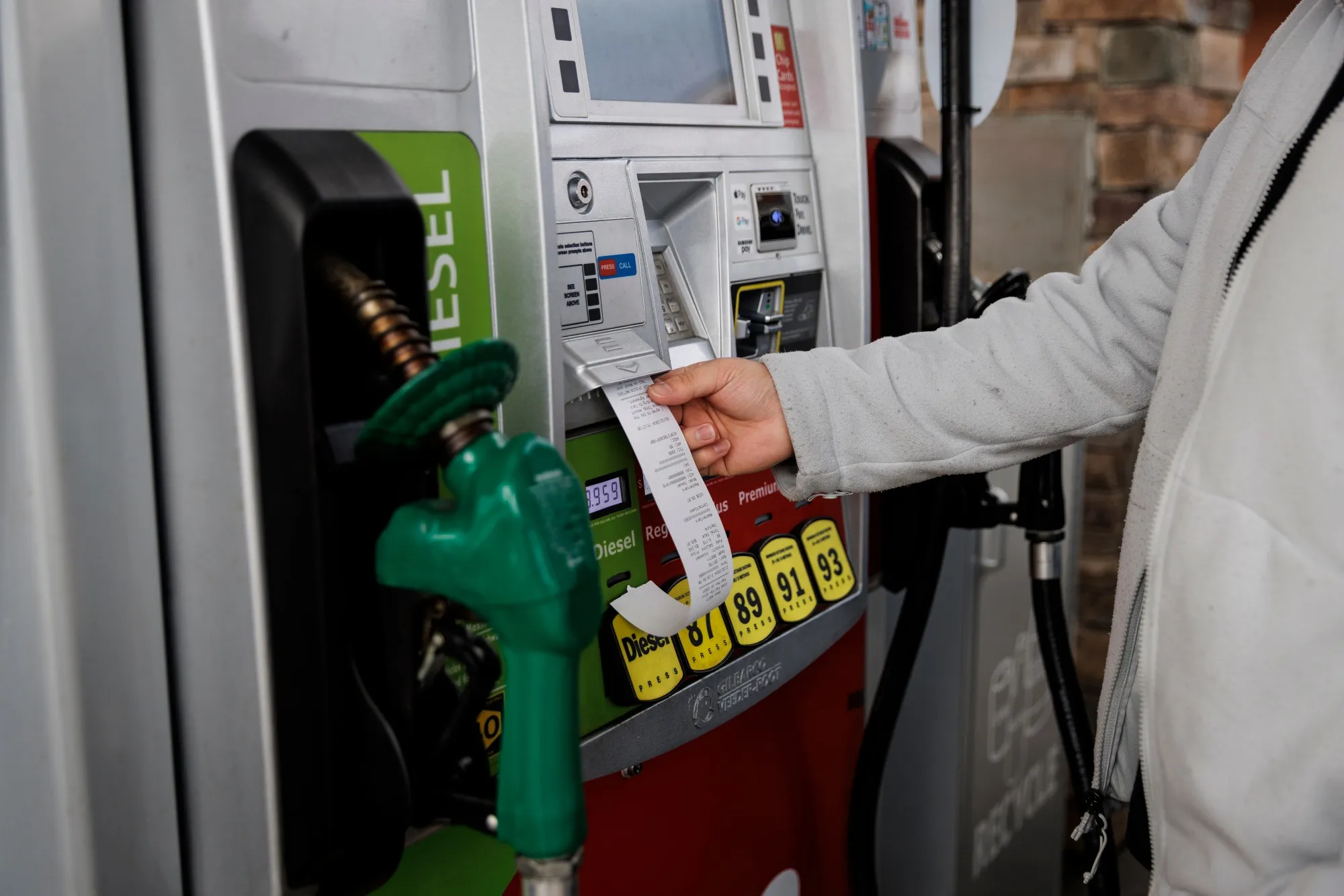
The effects of the economic impact energy crisis extend beyond markets and politics. Rising energy costs can directly impact households, increasing the cost of living and reducing purchasing power.
In some regions, energy shortages may disrupt essential services, affecting healthcare, education, and daily life.
India eyes Russian gas as war on Iran drives energy chaos, illustrating how global events can have local consequences.
What Lies Ahead?
As the situation unfolds, several critical questions remain:
- Will India secure long-term gas agreements with Russia?
- How will global energy markets stabilize?
- Can diplomatic efforts reduce tensions involving Iran?
- What role will renewable energy play in future strategies?
The economic impact energy crisis continues to evolve, with significant implications for the global economy.
A Defining Moment for Energy and Economy
The economic impact energy crisis has reached a pivotal point as India eyes Russian gas amid escalating tensions linked to Iran. This development highlights the urgent need for energy security, diversification, and strategic planning.
As countries adapt to changing conditions, the focus will remain on stabilizing markets, protecting economies, and ensuring reliable energy access.
The coming months will determine whether the world can navigate this crisis effectively or face prolonged instability.
