

SOUTHERN LEBANON – March 27, 2026 (Parliament Politics Magazine)— Middle East displacement emergency is rapidly escalating as thousands of civilians in southern Lebanon are forced to flee their homes following Israel’s military operations. With safe zones shrinking and infrastructure collapsing, many families are left searching for refuge with limited and uncertain options.
Escalating Conflict Triggers Mass Displacement
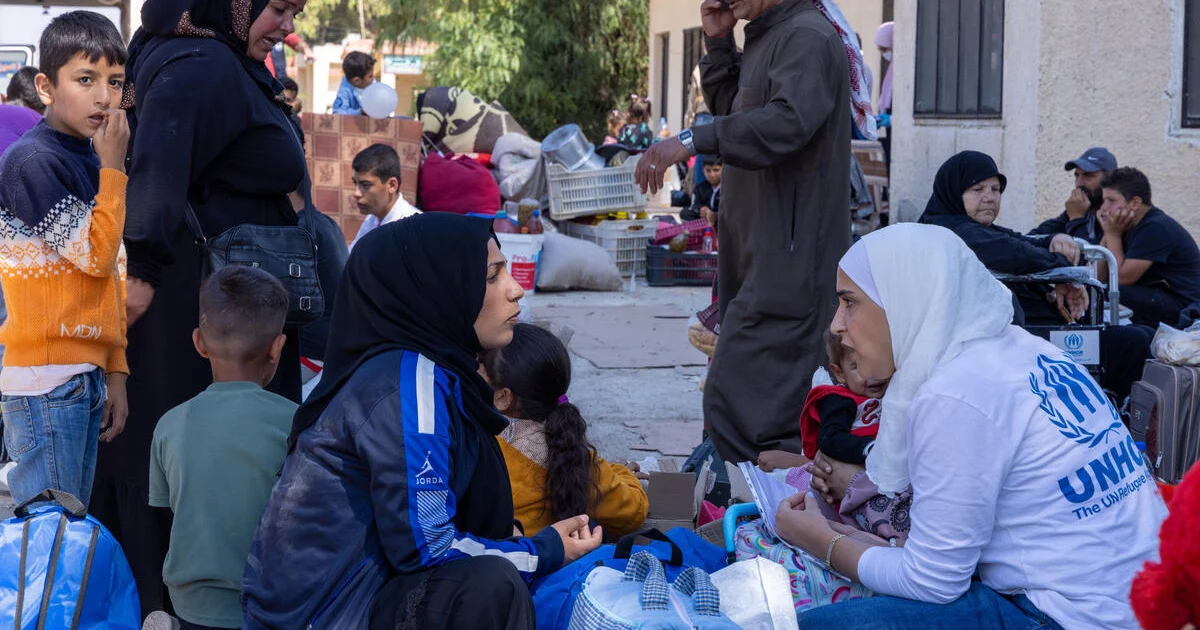
The intensifying conflict in southern Lebanon has sparked a surge in the Middle East displacement emergency, with entire communities abandoning their homes amid ongoing airstrikes and military activity. Border villages have experienced significant population outflows as residents attempt to move north or find temporary safety.
However, the speed of displacement has created chaos, leaving many without clear destinations. The Middle East displacement emergency is growing as civilians struggle to escape active conflict zones.
A local aid worker stated:
“We are witnessing a Middle East displacement emergency where people are fleeing without knowing where they will end up.”
Safe Zones Becoming Increasingly Scarce
One of the most urgent concerns in the Middle East displacement emergency is the lack of reliable safe zones. While some areas in central and northern Lebanon offer relative stability, they are not fully insulated from the broader conflict.
Cities such as Beirut and Tripoli are seeing a rapid influx of displaced individuals, leading to overcrowding and increased pressure on already limited resources. The Middle East displacement emergency is pushing these areas to their limits.
Shelters Overwhelmed by Growing Demand
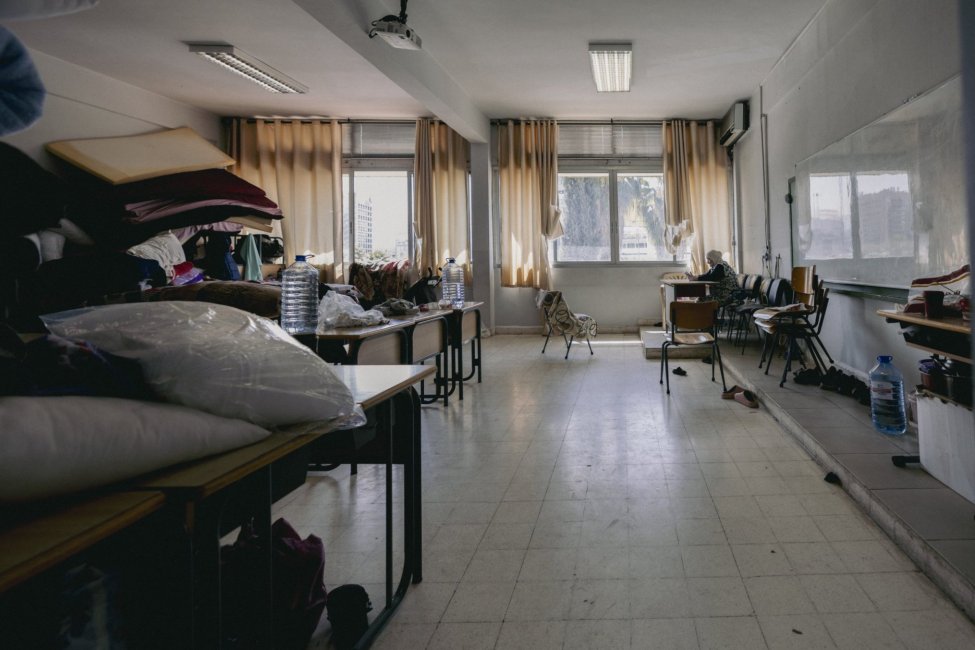
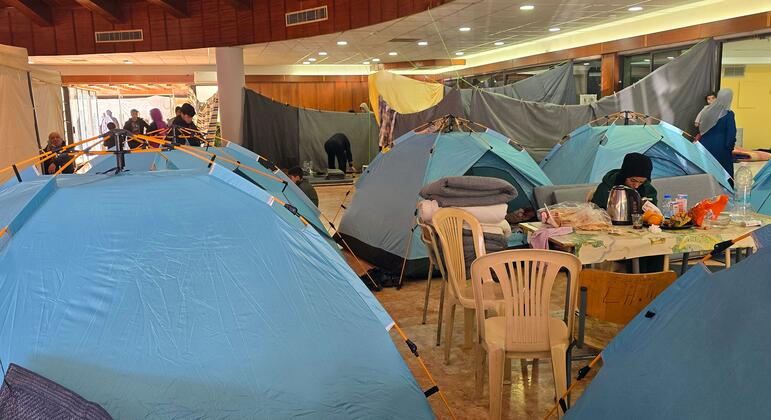
As the Middle East displacement emergency intensifies, shelters across Lebanon are struggling to accommodate the growing number of displaced families. Schools, public buildings, and makeshift camps are being used, often without adequate facilities.
Basic necessities such as food, clean water, and sanitation are becoming scarce. Humanitarian organizations warn that conditions could deteriorate further if the influx continues.
An aid coordinator explained:
“The Middle East displacement emergency is outpacing our capacity. We are running out of space and resources.”
Infrastructure Damage Limits Evacuation Options
Damaged infrastructure is a major obstacle in the Middle East displacement emergency. Roads, bridges, and transportation networks have been severely impacted, making it difficult for civilians to relocate.
In some areas, communities are effectively cut off, unable to reach safer locations. This has left many families trapped in dangerous conditions with limited access to assistance.
Economic Crisis Amplifies Humanitarian Needs
Lebanon’s economic instability is worsening the Middle East displacement emergency. Rising inflation and unemployment have left many families unable to afford transportation or secure alternative housing.
The cost of basic necessities continues to increase, placing additional strain on displaced populations. For many, survival is becoming increasingly difficult.
Children and Families Face Severe Impact
Children are among the most affected by the Middle East displacement emergency. Many have been forced out of school, while others are dealing with trauma from exposure to violence.
Families are struggling to maintain stability, with limited access to education, healthcare, and support services. The long-term consequences for children could be significant.
A humanitarian worker noted:
“The Middle East displacement emergency is not just about movement—it’s about the loss of stability for an entire generation.”
Regional Tensions Increase Pressure
The Middle East displacement emergency in southern Lebanon is part of a broader regional crisis. Escalating tensions are contributing to instability, making it more difficult to contain the situation.
Neighboring areas are closely monitoring developments, as the risk of spillover effects increases.
International Aid Efforts Expand
Humanitarian organizations are ramping up efforts to respond to the Middle East displacement emergency. Emergency shelters, food assistance, and medical care are being prioritized.
However, funding shortages and logistical challenges continue to limit the effectiveness of these efforts. The scale of the crisis requires sustained international support.
Calls for Safe Corridors and Ceasefire
There are growing calls for the establishment of safe corridors to allow civilians to move freely to secure areas. Aid groups are also urging for a ceasefire to prevent further displacement.
Diplomatic efforts are ongoing, but progress remains uncertain. Without immediate action, the Middle East displacement emergency is expected to worsen.
Quote Highlights Urgent Need for Action
A senior relief official emphasized:
“The Middle East displacement emergency has reached a critical point. Immediate action is needed to protect civilians and provide safe passage.”
Crisis Leaves Few Safe Options
The Middle East displacement emergency unfolding in southern Lebanon highlights the severity of the humanitarian crisis. With limited safe zones, overwhelmed shelters, and ongoing conflict, civilians are left with few viable options.
As displacement continues to rise, urgent international intervention is needed to address the growing humanitarian needs and prevent further escalation.
