

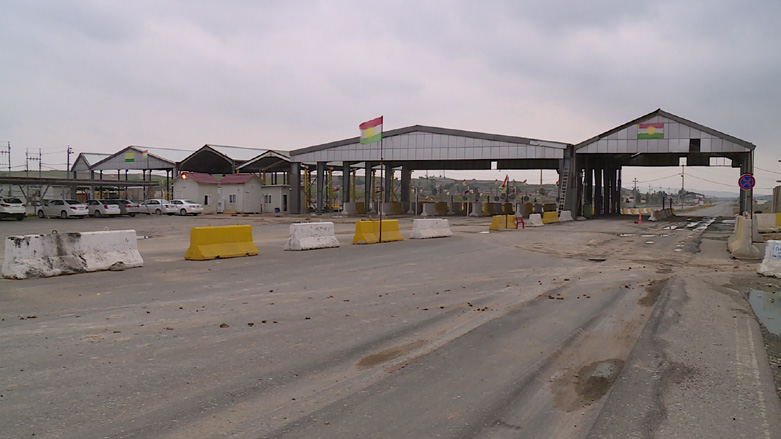
Erbil, Iraq March 27, 2026 (Parliament Politics Magazine) Baghdad security response is now under intense scrutiny as the Kurdish region says it has formally asked federal authorities to stop attacks by pro-Iran groups, warning that continued inaction could trigger wider instability across Iraq and the broader Middle East.
Officials in the Kurdish Regional Government (KRG) confirmed that repeated drone and rocket attacks have targeted key sites in the region, prompting urgent appeals to Baghdad to intervene and restore control over armed factions operating beyond central command.
Escalating Threats Raise Questions Over Baghdad Security Response
Security incidents in northern Iraq have increased in frequency and intensity, with Kurdish authorities pointing to coordinated operations allegedly linked to militias aligned with Iran.
The Baghdad security response has become a central concern, as officials and analysts question whether the federal government has the capacity—or willingness—to contain these groups.
A Kurdish official stated:
“The Baghdad security response must be immediate and decisive. Any delay sends the wrong message to those destabilizing Iraq.”
Kurdish Authorities Demand Immediate Intervention
Leaders in the Kurdish region emphasize that their request is grounded in national security, not political rivalry. They argue that failure to act risks undermining both regional safety and Iraq’s broader sovereignty.
The Baghdad security response is being framed as a test of federal authority, with Kurdish leaders insisting that only decisive action can prevent further escalation.
Officials warn that continued attacks could force the region to consider independent security measures if federal protection is not guaranteed.
Baghdad Faces Internal and External Pressure
The government in Baghdad is navigating a complex political landscape, balancing relationships with powerful militia groups while attempting to maintain national unity.
Critics argue that the current Baghdad security response has been insufficient, allowing armed factions to operate with limited accountability.
At the same time, external geopolitical pressures complicate the situation, as Iraq remains influenced by broader regional dynamics involving Iran and Western interests.
Strategic Importance of Northern Iraq
The Kurdish region plays a vital role in Iraq’s economic and security framework. Its energy sector, international partnerships, and relative stability make it a key pillar of national resilience.
However, repeated attacks threaten to destabilize this balance. The Baghdad security response is therefore not only a security issue but also an economic imperative.
Energy infrastructure has been among the targets, raising concerns about disruptions to oil production and exports—critical components of Iraq’s economy.
Regional Implications of Weak Security Response
Analysts warn that a weak Baghdad security response could embolden other armed groups across the region, increasing the risk of wider conflict.
The involvement of pro-Iran factions reflects ongoing proxy tensions that extend beyond Iraq’s borders, linking local incidents to broader geopolitical struggles.
A regional analyst noted:
“The effectiveness of the Baghdad security response will determine whether Iraq stabilizes or becomes a flashpoint for regional escalation.”
Civilian Impact and Growing Fear
Civilians in affected areas are increasingly feeling the consequences of ongoing violence. Reports indicate disruptions to daily life, heightened security measures, and rising anxiety among residents.
Local communities are calling for stronger protection, placing additional pressure on authorities to strengthen the Baghdad security response.
Humanitarian concerns are also growing, with fears that prolonged instability could lead to displacement and economic hardship.
Kurdish Region Warns of Consequences
The Kurdish leadership has issued a clear warning: failure to improve the Baghdad security response could damage long-standing cooperation between Erbil and Baghdad.
Officials stress that trust between regional and federal authorities is at risk, particularly if attacks continue without accountability.
The Kurdish government has reiterated its commitment to dialogue but insists that action must follow.
International Community Monitoring Developments
Global stakeholders are closely watching Iraq’s handling of the situation. The Baghdad security response is seen as a key indicator of the country’s stability and its ability to maintain control over internal security.
International partners involved in counterterrorism efforts rely heavily on stability in the Kurdish region, making the situation a matter of global concern.
Diplomatic pressure may increase if attacks persist and the response remains limited.
Historical Context of Security Challenges
Iraq has long faced challenges in balancing regional autonomy with central authority. The current tensions highlight ongoing struggles to integrate various armed groups into a unified national framework.
The Baghdad security response is part of a broader effort to assert control and prevent fragmentation within the country.
Experts note that past periods of instability offer a warning of what could happen if current issues are not addressed.
Economic and Political Stakes Rising
The stakes are high for Iraq’s future. A strong Baghdad security response could reinforce national unity and investor confidence, while continued weakness could have the opposite effect.
Economic growth, political stability, and international partnerships all depend on effective governance and security.
The Kurdish region’s appeal underscores the urgency of the situation.
Baghdad’s Security Response at a Breaking Point
Baghdad security response is under pressure as the Kurdish region urges immediate action to stop attacks by pro-Iran groups.
Rising drone and rocket strikes have raised fears of wider instability, with officials warning of serious economic and security consequences.
Experts say the effectiveness of Baghdad’s response will determine whether Iraq stabilizes or faces deeper conflict.
