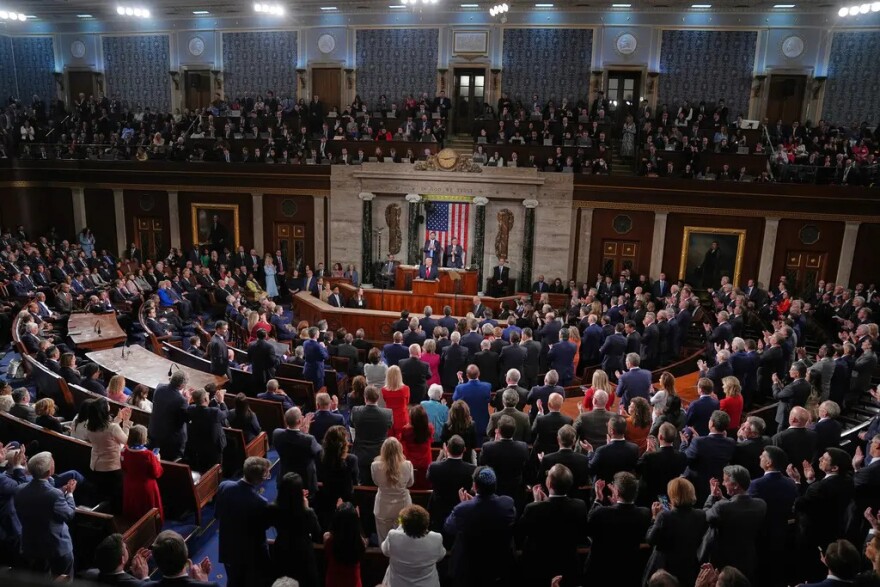
WASHINGTON, March 28, 2026 (Parliament Politics Magazine) US economic shutdown risks intensified before lawmakers approved a temporary funding measure in the House aimed at ending the Homeland Security shutdown, a move that could stabilize key federal operations while leaving long-term fiscal uncertainty unresolved.
The passage of the bill comes after heightened concern over economic disruption, national security vulnerabilities, and the financial strain on federal workers. While the measure offers short-term relief, experts warn that underlying issues driving US economic shutdown risks remain unaddressed.
Emergency Vote Signals Urgency in Washington
The House vote reflects growing urgency to contain US economic shutdown risks tied to halted government funding. The Department of Homeland Security (DHS), one of the most critical federal agencies, has been operating under constrained resources during the shutdown.
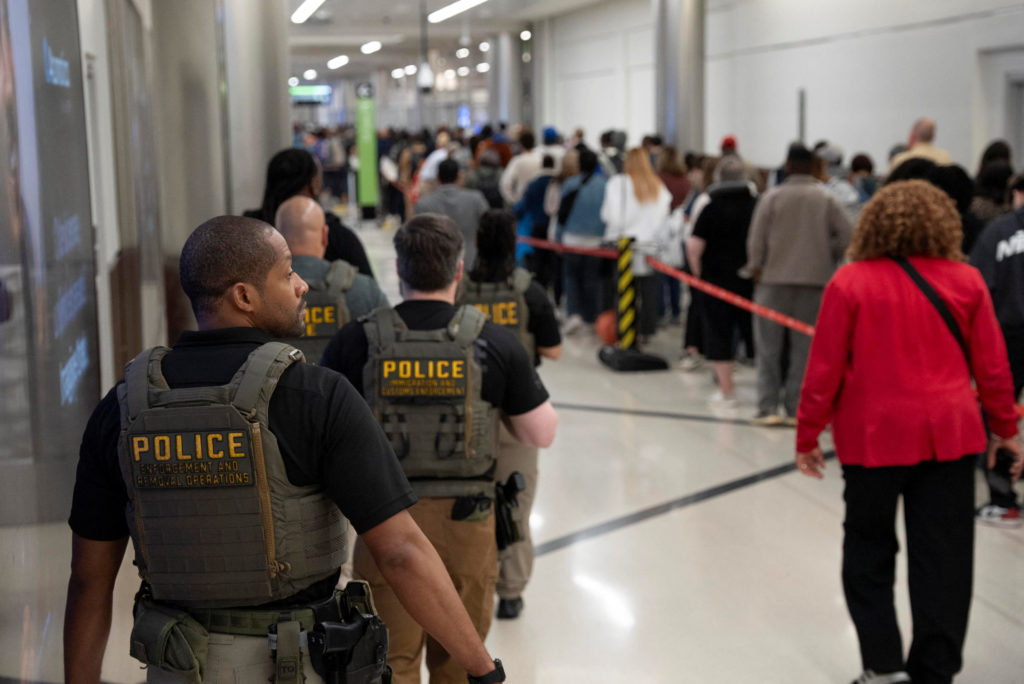
This temporary funding solution is expected to restore essential services, including airport security, border enforcement, and cybersecurity operations, all of which are directly linked to economic stability.
A senior congressional aide stated:
“The longer this situation continues, the greater the US economic shutdown risks become—not just for government operations, but for the broader economy.”
Urgent Impacts Driving US Economic Shutdown Risks
The ongoing crisis has revealed several key areas where US economic shutdown risks are most visible:
Federal Worker Financial Strain
Thousands of employees faced delayed wages or unpaid work, reducing consumer spending and increasing financial instability.
Disrupted National Security Operations
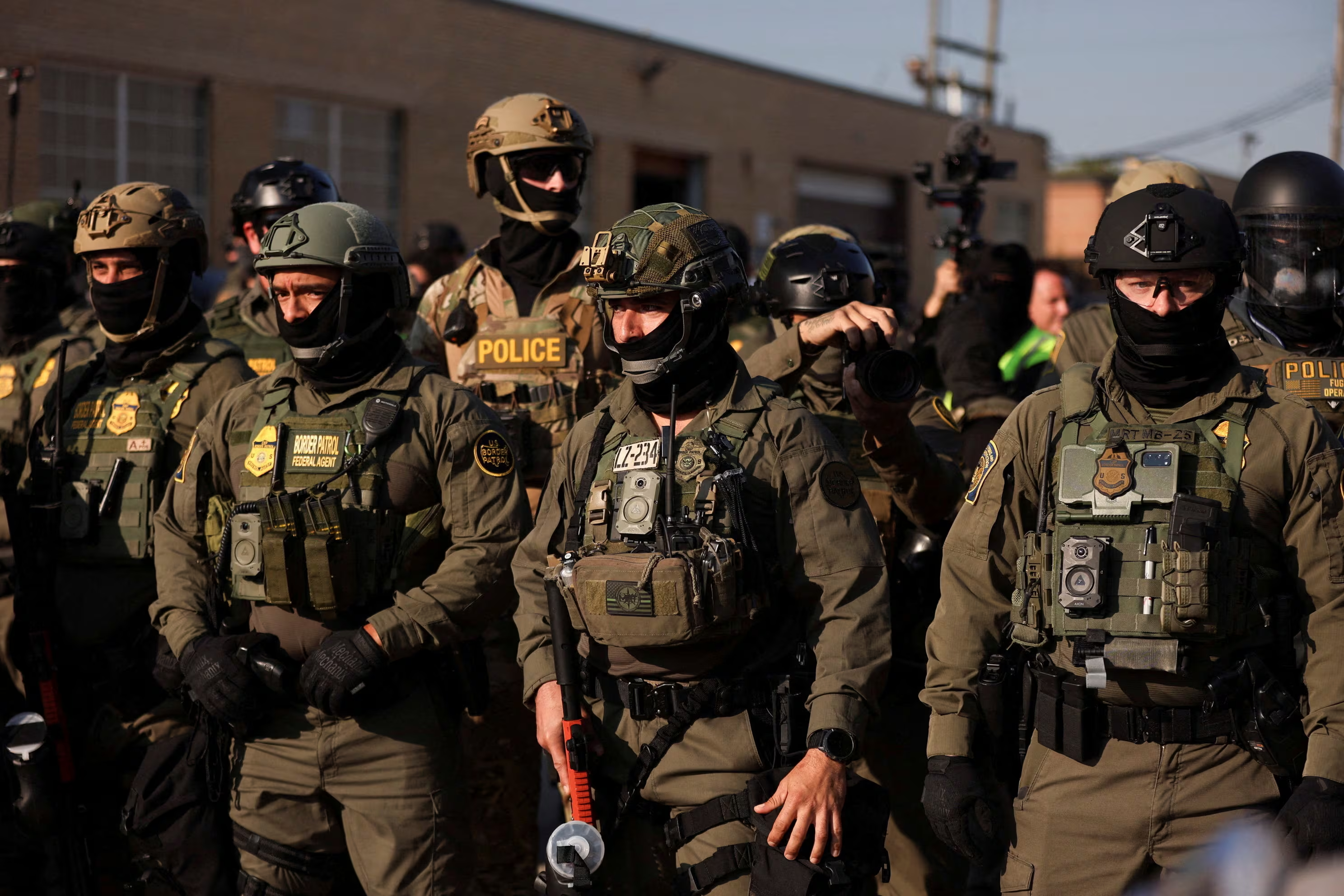
Funding gaps have affected border security, intelligence coordination, and emergency response readiness.
Travel and Transportation Delays
Airport staffing shortages and operational slowdowns have disrupted travel and commerce.
Supply Chain Interruptions
Government shutdowns can delay inspections, permits, and logistics, impacting supply chains.
Reduced Consumer Confidence
Uncertainty surrounding government stability has dampened consumer sentiment.
Business Investment Hesitation
Companies may delay investments due to policy uncertainty and economic volatility.
Broader Market Instability
Financial markets often react negatively to prolonged shutdown conditions.
Political Divide Continues Despite Progress
Even as lawmakers passed the funding measure, political divisions remain a central factor behind US economic shutdown risks. Disagreements over immigration policy, spending priorities, and fiscal responsibility continue to complicate negotiations.
Some lawmakers view the bill as a necessary step to avoid immediate damage, while others argue it delays addressing structural issues.
This divide raises concerns that similar crises could emerge again in the near future.
Homeland Security at the Center of the Crisis
The Department of Homeland Security plays a vital role in maintaining both national security and economic stability. The shutdown has highlighted how closely tied these functions are.
From protecting infrastructure to managing border operations, DHS activities are essential to minimizing US economic shutdown risks.
Experts emphasize that disruptions to DHS funding can create cascading effects across multiple sectors, including transportation, trade, and emergency response systems.
Senate Vote Will Shape Economic Outlook
Attention now turns to the Senate, where lawmakers must decide whether to approve the House measure. The outcome will significantly influence whether US economic shutdown risks begin to ease or continue to grow.
If approved, the bill would restore funding temporarily, allowing time for broader negotiations. However, failure to pass the measure could deepen the crisis and extend uncertainty.
Political analysts suggest that bipartisan cooperation will be crucial in determining the next phase of negotiations.
Public Reaction Reflects Growing Frustration
Public response has highlighted widespread concern over recurring shutdown scenarios. Many Americans view these political standoffs as avoidable crises that create unnecessary economic risk.
Federal workers, in particular, have expressed frustration over financial uncertainty and repeated disruptions.
Advocacy groups are calling for long-term solutions to reduce US economic shutdown risks and prevent future shutdowns from occurring.
Economic Experts Warn of Long-Term Consequences
Economists caution that repeated shutdowns can have lasting effects on economic growth and stability. Even short-term disruptions can lead to reduced productivity, lower consumer spending, and weakened business confidence.
One economic analyst explained:
“Each shutdown compounds the problem. US economic shutdown risks don’t disappear when funding is restored—they leave behind lasting damage.”
These warnings underscore the importance of resolving underlying fiscal disputes rather than relying on temporary fixes.
Broader Context: A Pattern of Fiscal Standoffs
The current situation reflects a broader pattern of political gridlock that has led to multiple shutdown threats in recent years.
US economic shutdown risks have become a recurring concern, raising questions about the sustainability of current budget negotiation practices.
Experts suggest that structural reforms may be necessary to ensure consistent funding for critical government functions.
What Happens Next for the US Economy
As negotiations continue, the focus will remain on whether lawmakers can move beyond short-term measures and address long-term fiscal challenges.
Key issues expected to shape future discussions include:
- Federal spending limits
- Immigration and border funding
- Infrastructure and cybersecurity investments
- Disaster preparedness funding
The resolution of these issues will play a major role in determining whether US economic shutdown risks decline or persist.
What Readers Need to Know
US economic shutdown risks remain a major concern despite the House passing a temporary funding bill to end the Homeland Security shutdown.
- The bill provides short-term relief for critical government operations
- Economic and national security concerns drove urgent action
- Political divisions continue to threaten long-term stability
- Senate approval will determine the immediate future
Bottom Line: While the funding measure reduces immediate pressure, US economic shutdown risks are far from resolved, leaving uncertainty over the nation’s financial and political stability.