WASHINGTON, March 28, 2026 (Parliament Politics Magazine) global oil crisis alert is rapidly emerging as a dominant global concern as U.S. officials indicate that ongoing military operations against Iran may conclude within weeks. The statement follows intensified airstrikes and the resignation of a senior counterterrorism official protesting the direction of the conflict.
The unfolding situation is raising alarms across financial markets, diplomatic channels, and energy sectors, as fears grow that the conflict could disrupt global oil supply and destabilize an already fragile economic environment.
Rubio Signals Short-Term Military Timeline
U.S. Senator Marco Rubio stated that the current phase of U.S. military operations is expected to be completed within weeks, suggesting a limited but intense campaign.
Officials close to the administration describe the strategy as focused on rapid, targeted strikes aimed at weakening Iran’s strategic capabilities without engaging in prolonged warfare.
“The objective is clear—decisive action in a compressed timeframe,”
a senior defense official said, reinforcing expectations of a short operational window.
However, critics argue that even a short campaign could trigger long-term consequences, especially given the region’s sensitivity and its central role in global energy production.
Airstrikes Escalate Amid Strategic Targeting
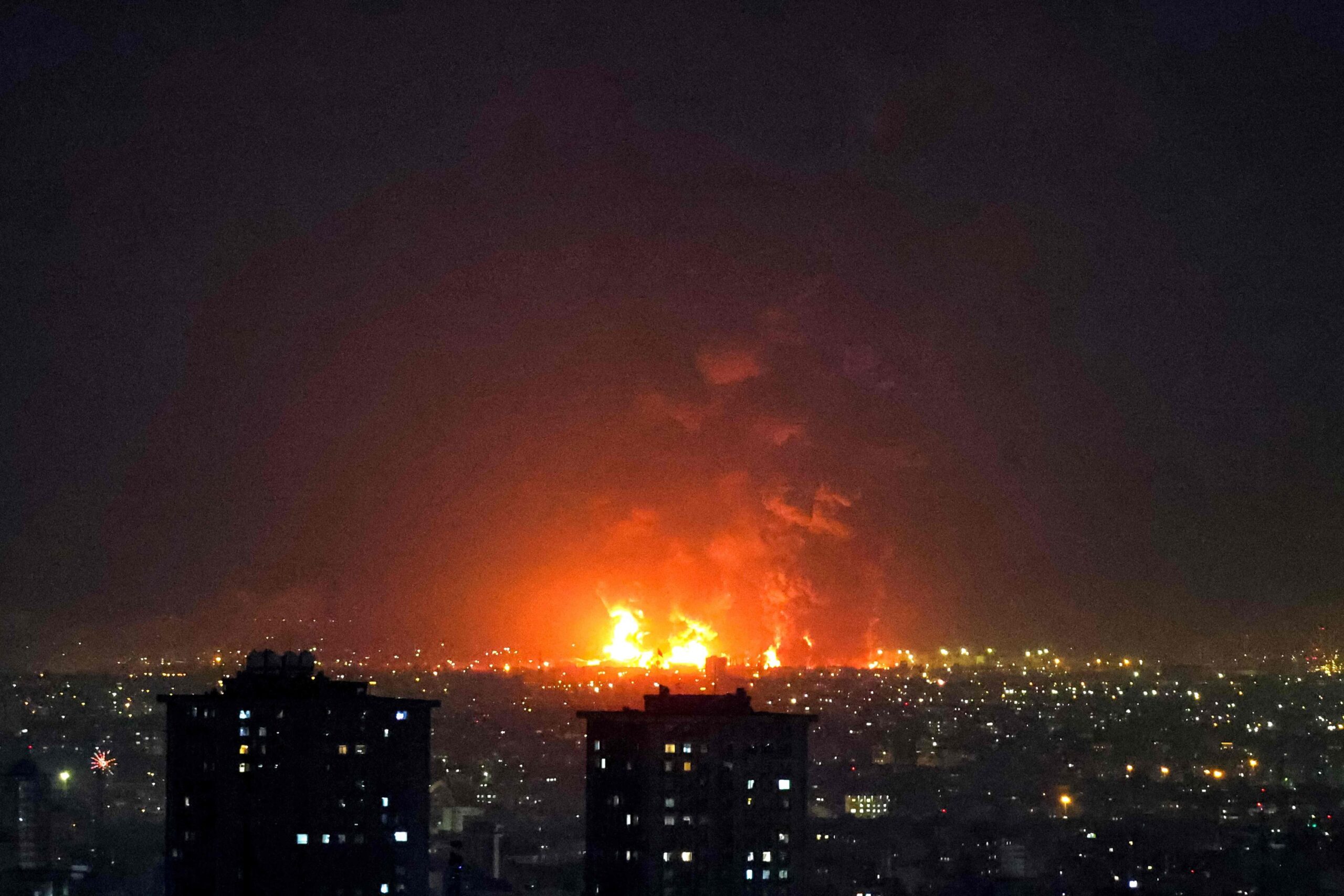
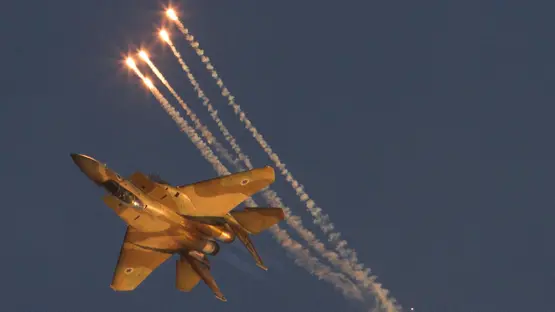
The global oil crisis alert is intensifying as U.S. airstrikes expand across multiple strategic targets inside Iran. Defense sources confirm that the strikes are designed to disrupt key military and logistical networks.
Primary targets reportedly include:
- Missile infrastructure
- Military command centers
- Supply and logistics routes
- Facilities linked to regional proxy groups
The escalation has increased concerns about potential retaliation, particularly actions that could threaten critical oil transit routes such as the Strait of Hormuz.
Counterterrorism Official Resigns in Protest
A major turning point in the crisis came with the resignation of a senior U.S. counterterrorism official. The official reportedly stepped down over concerns that the scope of military operations had expanded beyond counterterrorism objectives.
Sources indicate that the resignation reflects growing internal disagreement within U.S. leadership regarding the direction of the conflict.
“We risk igniting consequences far beyond the battlefield,”
the official reportedly warned before stepping down.
The resignation has intensified scrutiny in Washington and raised questions about the long-term strategy behind the military campaign.
Global Reactions Heighten Crisis Fears
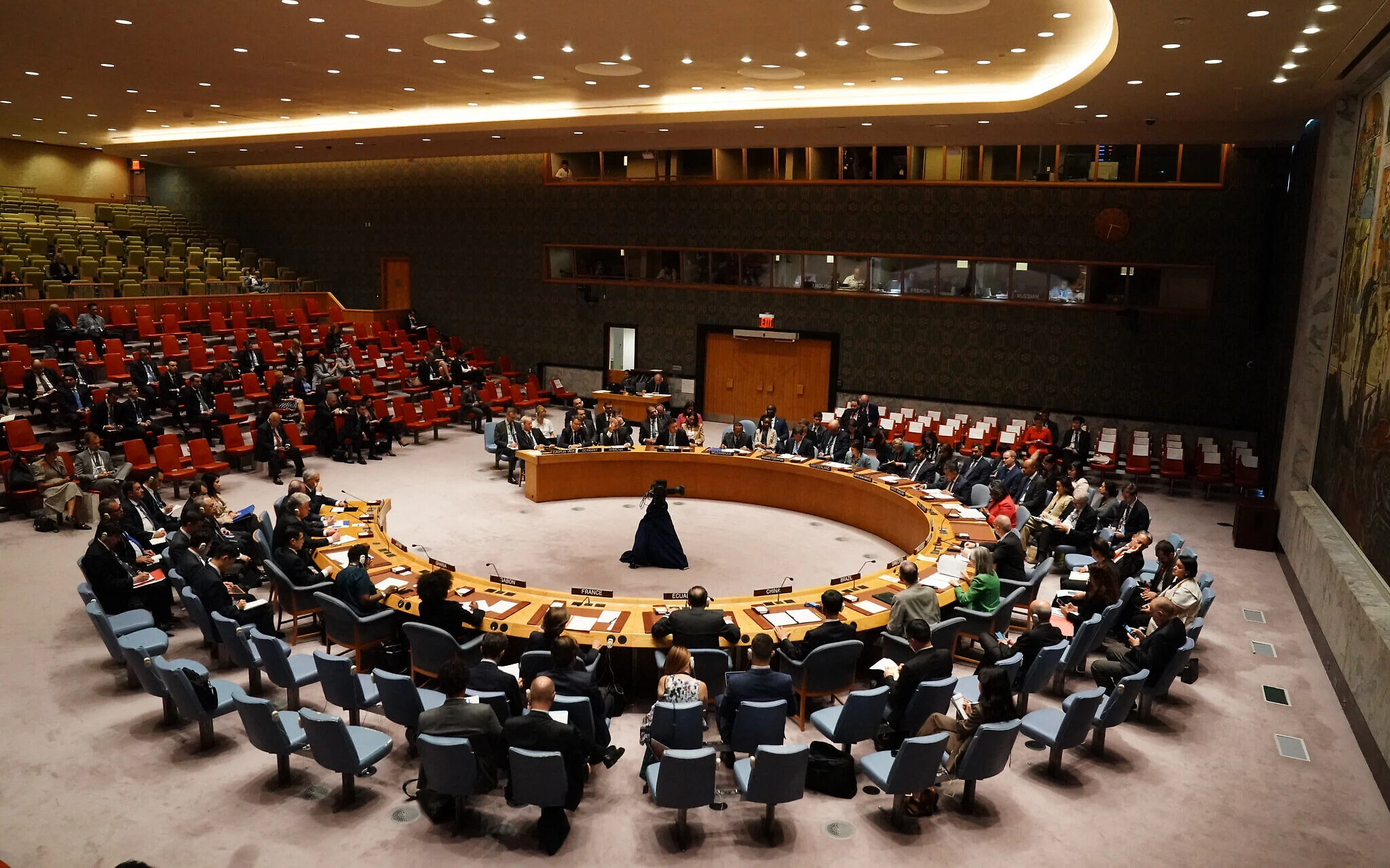
The global oil crisis alert has triggered widespread international reactions. The United Nations has urged restraint, warning that continued escalation could lead to a broader regional conflict.
Key global responses include:
- European leaders calling for immediate de-escalation
- Middle Eastern nations increasing defensive readiness
- Public protests in major cities worldwide
- Emergency diplomatic discussions at the UN
These developments highlight the growing concern that the situation could spiral into a wider conflict with global implications.
Energy Markets React to Rising Tensions
The global oil crisis alert is having a direct impact on global energy markets. Oil prices have shown volatility as investors respond to the uncertainty surrounding supply routes and production stability.
Economic analysts highlight several risks:
- Disruption of oil shipments through key maritime routes
- Reduced production output in affected regions
- Increased fuel costs worldwide
- Rising inflation linked to energy price spikes
The Strait of Hormuz, a critical passage for global oil shipments, remains a focal point of concern as tensions escalate.
Strategic Objectives vs Long-Term Consequences
While U.S. officials maintain that the campaign is limited in scope, experts warn that conflicts of this nature can evolve unpredictably.
The global oil crisis alert raises several strategic concerns:
- Whether airstrikes can achieve lasting deterrence
- The likelihood of Iranian retaliation
- The risk of involving additional regional or global powers
History suggests that even targeted operations can have far-reaching consequences that extend well beyond initial expectations.
Historical Context of US-Iran Tensions
Tensions between the United States and Iran have a long and complex history, shaped by decades of political, military, and economic conflict. Events such as the Iran hostage crisis continue to influence current relations.
The present global oil crisis alert reflects a continuation of these longstanding tensions, now amplified by modern geopolitical dynamics and global energy dependencies.
Political Debate Intensifies in Washington
Domestically, the global oil crisis alert is fueling debate among U.S. lawmakers. Some support the administration’s approach as necessary for national security, while others express concern about escalation and unintended consequences.
Key issues under discussion include:
- The potential for prolonged military engagement
- Economic costs associated with the conflict
- The impact on global stability and alliances
The resignation of a senior official has added urgency to these debates, highlighting divisions within the government.
What Comes Next?
As the global oil crisis alert continues to develop, the coming weeks are expected to be decisive. If the projected timeline holds, the current phase of military operations may conclude soon.
However, several uncertainties remain:
- Iran’s potential response strategy
- The effectiveness of diplomatic interventions
- Ongoing volatility in energy markets
- The risk of further escalation
Observers note that while military objectives may be achieved quickly, the broader consequences could unfold over a much longer period.
The Statement Driving Global Concern
“Energy markets don’t wait for wars to end—they react the moment uncertainty begins.”
Crisis Expands Beyond the Battlefield
The global oil crisis alert is no longer just a regional issue—it is a global concern with far-reaching implications. As U.S. airstrikes continue and officials signal a weeks-long timeline, the risks to energy markets, economic stability, and geopolitical balance are becoming increasingly clear.
The resignation of a top counterterrorism official underscores internal concerns, while global reactions highlight the خطر of wider escalation. Even if the military campaign concludes quickly, the impact on global oil supply and international relations could persist for years.