
WASHINGTON, United States, March 28, 2026 (Parliament Politics Magazine) Middle East peace talks are reportedly underway through indirect channels between the United States and Iran, but officials are keeping critical details confidential. The secrecy surrounding these discussions has fueled speculation about their purpose, scope, and potential outcomes at a time of heightened regional tensions.
While both sides have acknowledged that communication exists, no official framework or agenda has been publicly disclosed, leaving analysts and policymakers searching for clarity.
Indirect Diplomacy Takes Center Stage
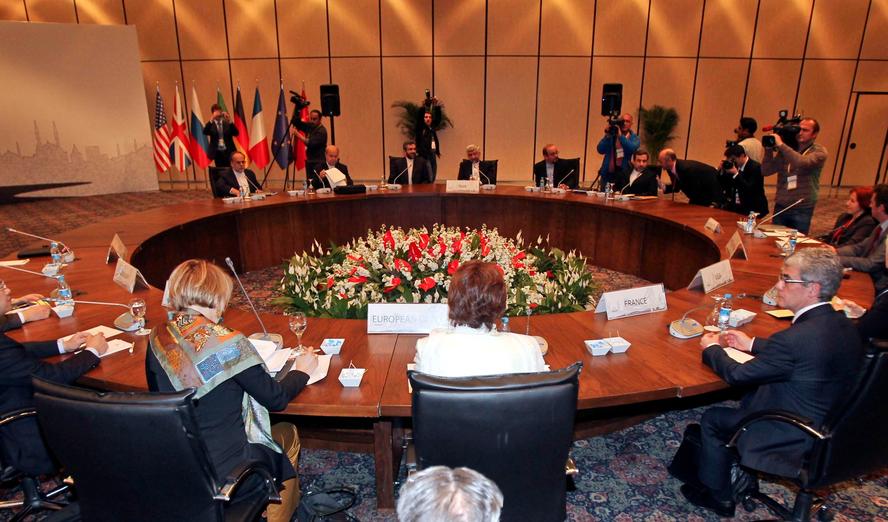
The current Middle East peace talks are believed to be facilitated through intermediaries, a longstanding diplomatic method used when direct engagement is politically sensitive. This approach allows both parties to exchange positions without formal recognition or commitment.
Diplomatic observers suggest that such indirect negotiations often serve as preliminary steps toward broader agreements.
A senior analyst explained:
“Indirect engagement provides flexibility. It allows both sides to test ideas and gauge reactions without public pressure.”
Why the Talks Are Being Kept Confidential
Officials have emphasized that confidentiality is essential to the success of the Middle East peace talks. Publicizing sensitive details too early could undermine progress or complicate negotiations.
However, this lack of transparency has raised concerns among lawmakers and international observers. Critics argue that secrecy can limit accountability and obscure the true objectives of the discussions.
Supporters of the approach maintain that discretion is necessary in complex geopolitical negotiations.
Background: Rising Tensions Drive Dialogue
The Middle East peace talks are taking place against a backdrop of escalating military activity and geopolitical uncertainty. Recent developments have increased the urgency for diplomatic solutions, even as tensions remain high.
Analysts believe that both the United States and Iran are seeking to manage risks while protecting their strategic interests. The talks may represent an attempt to prevent further escalation.
Possible Areas of Discussion
While no official details have been confirmed, experts speculate that the Middle East peace talks could address several key issues:
- De-escalation of military tensions
- Security of maritime routes
- Nuclear program concerns
- Regional stability frameworks
Each of these areas carries significant implications for both regional and global security.
Political Reactions and Debate
The secrecy surrounding the Middle East peace talks has sparked debate within political circles. Some lawmakers are calling for greater transparency, while others argue that confidentiality is necessary to achieve meaningful progress.
Public opinion remains divided, reflecting broader uncertainties about foreign policy and diplomatic strategy.
Impact on Regional Stability
The outcome of the Middle East peace talks could shape the future of the region. Successful negotiations may lead to reduced tensions and improved security conditions, while failure could result in further instability.
Regional allies and neighboring countries are closely monitoring developments, as the talks could influence strategic alliances and security arrangements.
Global Implications and Market Reactions
Beyond the Middle East, the Middle East peace talks are being closely watched by global markets. Energy prices, trade flows, and investment decisions are all influenced by perceptions of stability.
The uncertainty surrounding the negotiations has contributed to market volatility, highlighting the global impact of regional diplomacy.
Challenges Facing the Negotiations
The Middle East peace talks face significant challenges, including deep-seated mistrust and conflicting strategic interests. Negotiators must balance transparency with discretion while navigating complex political dynamics.
Experts note that progress in such negotiations often requires time and sustained effort.
What Comes Next?
As the Middle East peace talks continue, observers are looking for signs of progress or changes in approach. While officials remain cautious in their public statements, any breakthrough could have immediate and far-reaching consequences.
The coming weeks may prove critical in determining the direction of these negotiations.
Understanding the Current Situation
The Middle East peace talks represent a crucial diplomatic effort in a period of heightened tension. While details remain limited, the existence of indirect negotiations underscores the importance of dialogue.
Secrecy may be necessary, but it also raises important questions about transparency and accountability. As developments unfold, the potential for both resolution and escalation remains.