

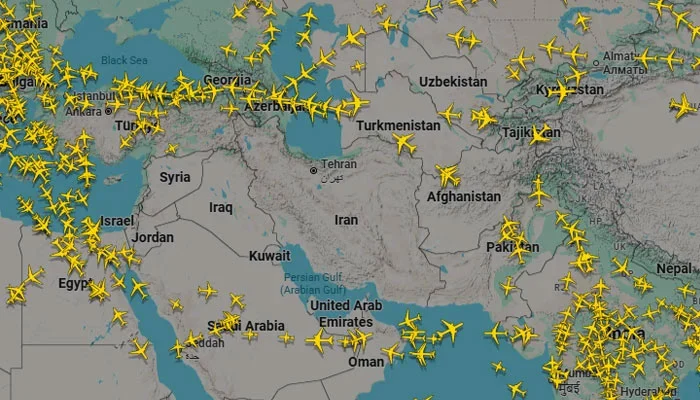
Baghdad, Iraq, March 28, 2026 (Parliament Politics Magazine) global travel disruption is accelerating as Iraqi authorities confirm that national airspace will remain closed until March 31 due to escalating security concerns and regional instability.
The decision reflects growing caution across aviation networks as airlines and regulators respond to uncertain conditions. The ongoing global travel disruption is already affecting long-haul routes, cargo transport, and international travel planning.
Why Iraqi Airspace Remains Closed
The extension of restrictions comes as part of a broader effort to manage rising risks in the region. Officials cite intelligence assessments and safety concerns as primary reasons behind the continued closure.
Key drivers behind the global travel disruption include:
- Heightened military activity in surrounding regions
- Increased drone and surveillance threats
- Risk of civilian aircraft being caught in conflict zones
- Strategic airspace control during sensitive operations
A senior aviation official stated:
“Passenger safety must come first. When risks increase, airspace restrictions become necessary to prevent larger consequences.”
Airlines Face Mounting Operational Challenges
Air carriers across Europe, Asia, and the Middle East are adjusting routes to avoid restricted zones, adding significant strain to operations. The ongoing global travel disruption is forcing airlines to make costly adjustments.
Major impacts include:
- Longer flight routes and increased fuel consumption
- Delayed arrivals and extended travel times
- Reduced efficiency in scheduling and fleet management
- Higher operational costs passed on to consumers
Airlines are now relying on alternative air corridors, which are becoming increasingly congested.
Regional Tensions Driving Aviation Decisions
The broader geopolitical landscape continues to influence aviation policies. The global travel disruption is closely linked to tensions involving the United States, Iran, and regional actors, contributing to heightened alert levels.
Security experts emphasize Iraq’s strategic position:
- Located between key geopolitical hotspots
- Influenced by overlapping military and political interests
- Vulnerable to spillover effects from regional conflicts
A regional analyst explained:
“Airspace closures are rarely isolated events. They signal deeper concerns about stability and control in the region.”
Economic Ripple Effects Across the Region
The ongoing global travel disruption is expected to have economic consequences, particularly for industries dependent on aviation and logistics.
Key economic impacts include:
- Delays in high-value cargo shipments
- Increased transportation costs for goods
- Supply chain inefficiencies
- Pressure on regional trade hubs
Businesses reliant on timely deliveries are already adjusting expectations as disruptions continue.

Security and Intelligence Considerations
Authorities have confirmed that real-time intelligence monitoring is shaping decisions around airspace access. The global travel disruption reflects ongoing concerns about unpredictable threats.
Key considerations include:
- Monitoring drone activity and potential interceptions
- Assessing missile risks in nearby regions
- Managing airspace during military operations
- Preventing unintended escalation involving civilian aircraft
These factors highlight the complexity of maintaining safe airspace under volatile conditions.
Historical Context of Airspace Restrictions
Airspace closures have historically been used during periods of conflict or heightened alert. The current global travel disruption follows a pattern seen in previous geopolitical crises.
Historically, such measures have been implemented to:
- Protect civilian aviation during instability
- Reduce the risk of accidental military engagement
- Maintain control over national airspace
- Support coordinated defense strategies
These actions often signal transitional phases in regional security.
What to Expect After March 31
While March 31 has been set as a provisional reopening date, authorities have indicated that the situation remains under review. The ongoing global travel disruption may persist depending on future developments.
Factors that could influence the decision include:
- Changes in regional military activity
- Diplomatic negotiations between key nations
- Updated intelligence assessments
- Stability within Iraq and surrounding regions
Officials are expected to make data-driven decisions based on evolving conditions.
Global Aviation Industry Response
International aviation authorities are closely monitoring developments. The global travel disruption has prompted coordinated efforts to maintain safety and minimize impact.
Industry responses include:
- Adjusting international flight paths
- Enhancing risk management protocols
- Increasing communication with passengers
- Collaborating with regional air traffic control systems
The situation highlights how regional events can have global aviation consequences.
Traveler Impact and Public Concerns
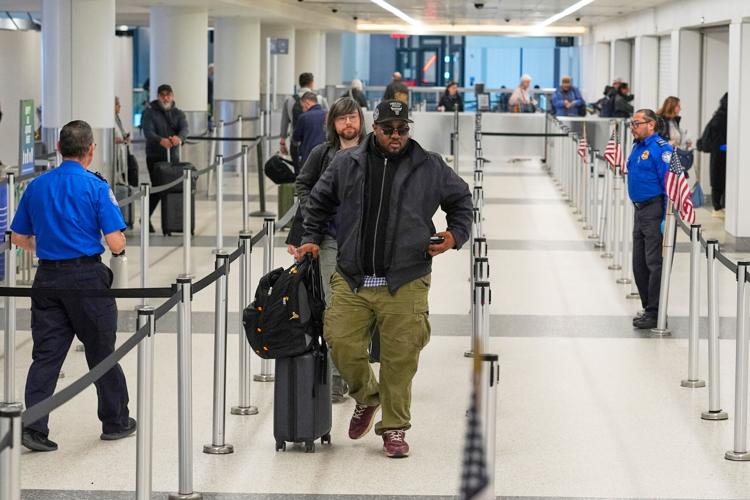
Passengers worldwide are feeling the effects of the ongoing global travel disruption, with uncertainty becoming a key concern.
Common traveler challenges include:
- Flight cancellations and delays
- Rising ticket prices due to longer routes
- Limited availability of direct flights
- Increased travel planning complexity
Travelers are encouraged to stay informed and flexible as conditions evolve.
