TEHRAN, March 28, 2026 (Parliament Politics Magazine) Middle East conflict escalation has entered a critical phase following claims by Iran’s Islamic Revolutionary Guard Corps (IRGC) that it successfully dismantled 120 cluster bombs allegedly dropped during recent operations involving the United States and Israel. The announcement has triggered global concern and renewed fears of a broader regional crisis.
The situation reflects an already volatile environment, where military actions, political tensions, and humanitarian risks continue to intersect, raising the stakes for both regional and international actors.
IRGC Bomb Disposal Claim Sparks Global Attention
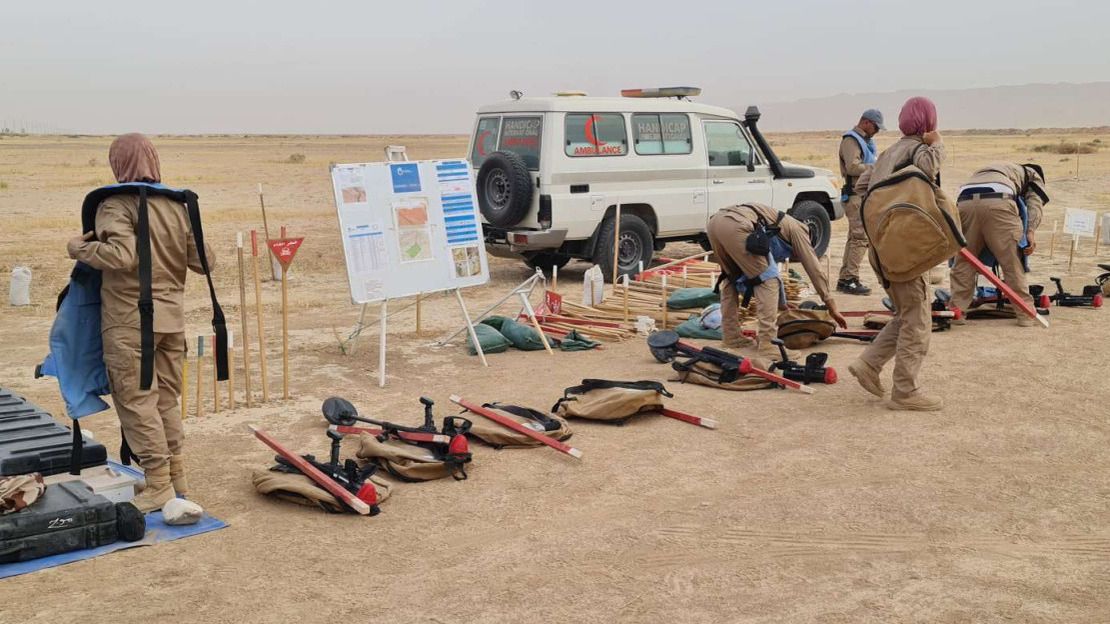
Iranian officials reported that elite engineering units located and neutralized multiple explosive devices across affected areas. The Middle East conflict escalation narrative has gained traction as these claims circulate across diplomatic and media channels.
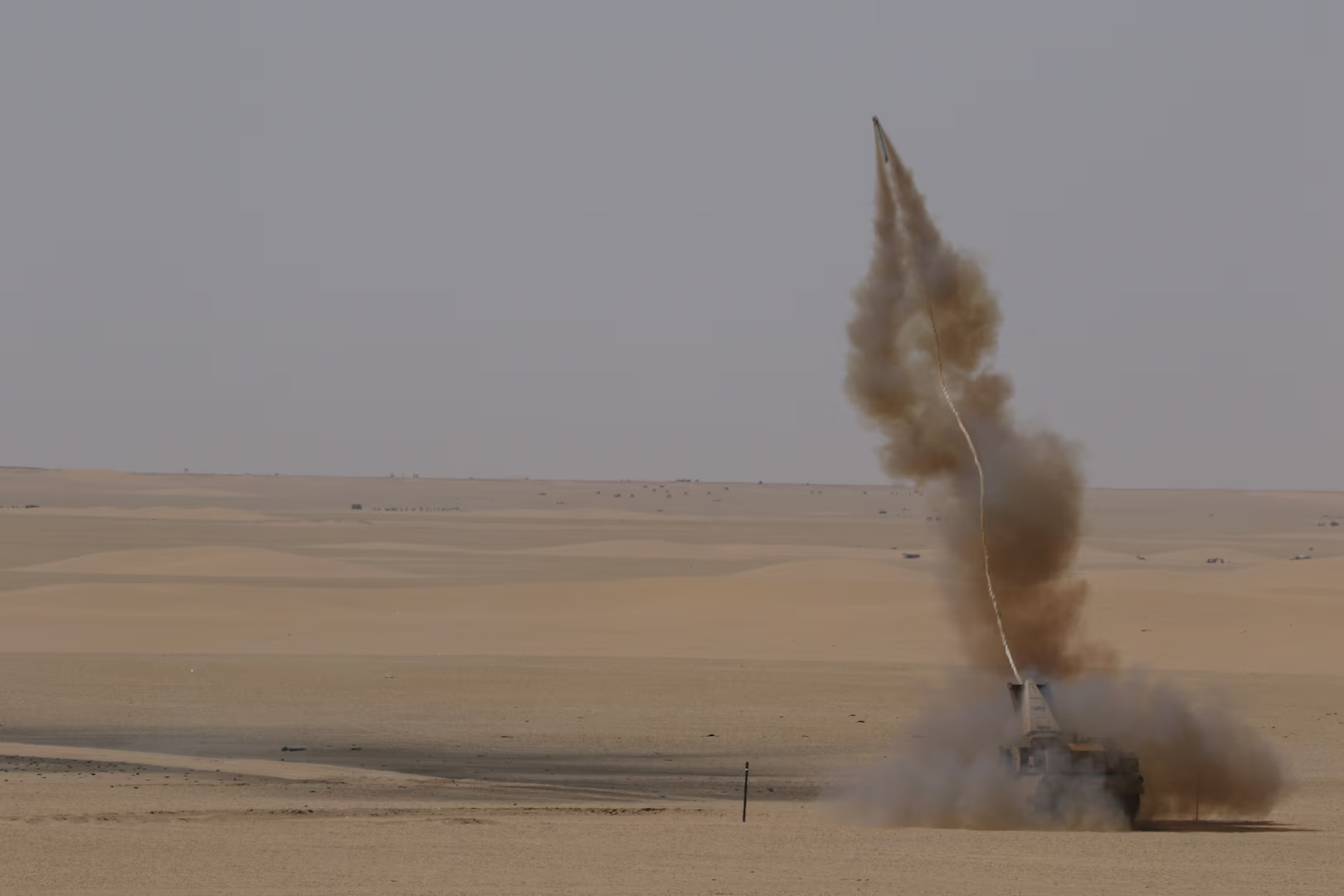
Cluster munitions, known for their widespread impact and lingering danger, have been heavily criticized in international law due to their risk to civilian populations. The claim that 120 such devices were dismantled adds urgency to the unfolding situation.
A senior IRGC representative stated:
“Our forces acted decisively to eliminate threats and safeguard communities from long-term harm caused by these weapons.”
Allegations Against US and Israel Raise Stakes
The assertion that American and Israeli forces were responsible for deploying these weapons has intensified the Middle East conflict escalation, although no independent confirmation has been provided.
Officials in Washington and Tel Aviv have yet to directly respond to the specific allegations. However, both countries have consistently emphasized their strategic objectives in countering regional threats and maintaining security alliances.
Experts warn that such accusations—regardless of verification—can escalate tensions rapidly, especially in a region where multiple conflicts overlap.
Humanitarian Risks Drive International Concern
Humanitarian organizations are closely monitoring developments as the Middle East conflict escalation continues. The use of cluster munitions poses long-term dangers due to unexploded submunitions that can remain active for years.
These devices often impact civilians disproportionately, complicating post-conflict recovery and increasing the risk of casualties even after hostilities cease.
A regional aid worker commented:
“The presence of unexploded ordnance transforms entire مناطق into danger zones, making daily life unsafe for civilians.”
Strategic Messaging and Military Signaling
Analysts suggest that the announcement may also serve as a strategic signal. The Middle East conflict escalation is not only about battlefield developments but also about narrative control and geopolitical positioning.
By highlighting its ability to detect and dismantle advanced munitions, Iran may be aiming to demonstrate both defensive capability and deterrence strength.
Military experts point to several possible objectives:
- Reinforcing domestic confidence
- Sending warnings to adversaries
- Shaping international perception
Global Calls for De-escalation Grow Louder
As the Middle East conflict escalation unfolds, international leaders are urging restraint. Diplomatic channels are reportedly active behind the scenes, aiming to prevent further deterioration.
The United Nations and other global organizations have emphasized the importance of dialogue, particularly in situations where misunderstandings or miscalculations could lead to wider conflict.
There is growing recognition that escalation in the region could have far-reaching consequences beyond immediate borders.
History of Cluster Munitions Controversy
The renewed focus on cluster bombs comes amid longstanding debates about their use. The Middle East conflict escalation has revived concerns that have persisted for decades regarding the humanitarian and ethical implications of such weapons.
While many nations have signed agreements banning cluster munitions, others maintain their use under specific military doctrines.
Historically, these weapons have left behind dangerous remnants that continue to threaten civilian lives long after conflicts end.
Regional Stability Under Pressure
The Middle East conflict escalation has introduced new uncertainties into an already fragile geopolitical environment. Analysts warn that continued tension could lead to:
- Expanded military operations
- Increased risk of regional الحرب
- Disruption of global energy markets
- Heightened insecurity for civilians
The Middle East’s strategic importance means that any escalation has the potential to influence global economic and political stability.
Escalation or Strategic Communication?
Observers remain divided on whether the current Middle East conflict escalation reflects actual battlefield developments or strategic communication efforts.
Some analysts believe the announcement is intended to influence public perception and diplomatic positioning, while others argue it indicates real operational activity that could lead to further confrontation.
Global Security Outlook Remains Unclear
The evolving Middle East conflict escalation continues to dominate international attention. Governments and security agencies are closely monitoring the situation for signs of further developments.
With multiple actors involved and limited verified information, uncertainty remains high, increasing the risk of misinterpretation and unintended consequences.
Key Developments to Watch
The Middle East conflict escalation surrounding the IRGC’s claim highlights several critical points:
- Iran reports dismantling 120 cluster bombs
- Allegations involve US and Israeli military actions
- Humanitarian risks from cluster munitions remain severe
- Global leaders are urging restraint and dialogue
- Regional stability faces growing pressure
Bottom Line: The situation underscores the fragile balance in the Middle East, where even unverified claims can intensify tensions and shape global security dynamics.