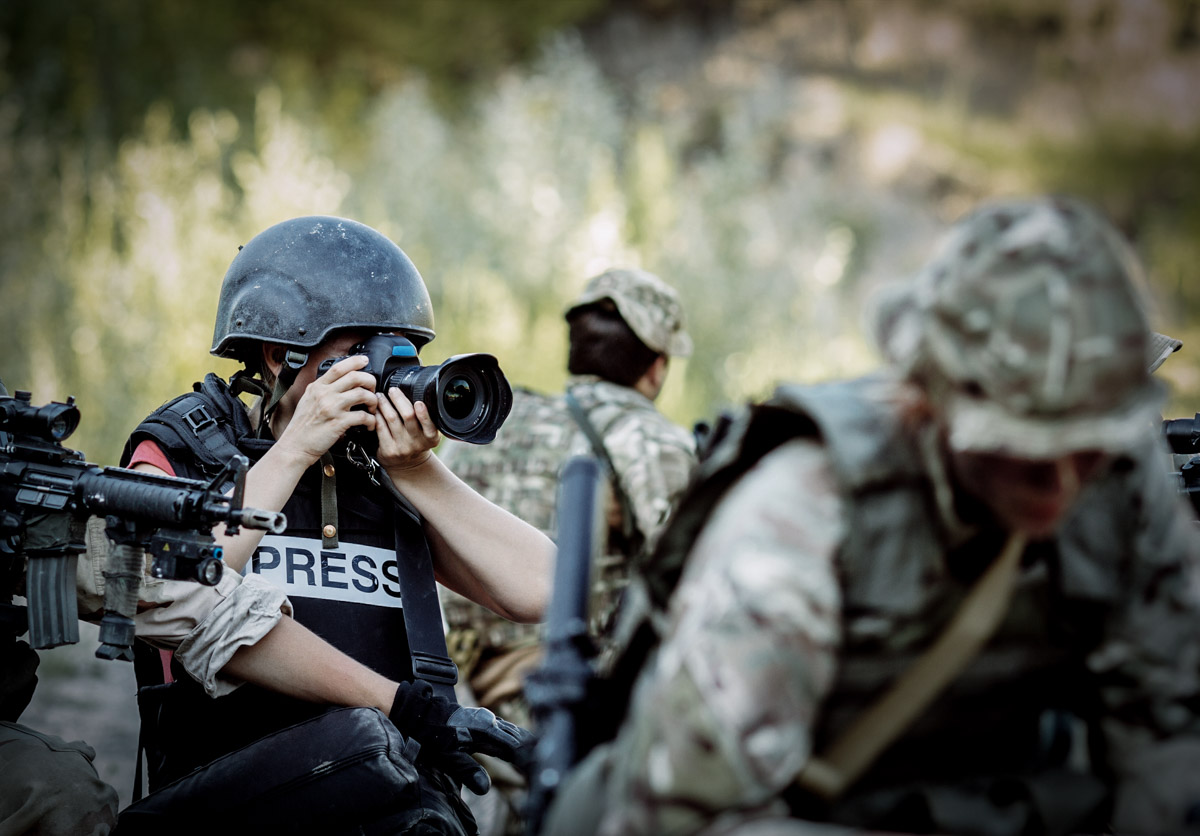
BEIRUT, March 28, 2026 (Parliament Politics Magazine) humanitarian law violation concerns have intensified following reports that Israeli military operations resulted in the deaths of multiple journalists in Lebanon, sparking international outrage and renewed scrutiny over the protection of media personnel in conflict zones.
The development unfolds amid a broader Middle East conflict escalation, where increasing military activity continues to heighten risks for civilians and journalists alike.
Outrage Builds Over Journalist Deaths
The incident has triggered widespread condemnation, with media organizations and civil society groups describing the event as a potential humanitarian law violation. Journalists, considered civilians under international humanitarian law, are entitled to protection during armed conflicts.
Initial reports indicate that the victims were covering developments in a high-risk area when they were struck. The exact circumstances remain under investigation, but the implications have already drawn global attention.
A media advocate stated:
“If confirmed, this represents a serious humanitarian law violation that undermines protections for journalists worldwide.”
Press Freedom at Risk in Conflict Zones
The growing concern over humanitarian law violation reflects broader risks faced by journalists operating in war zones. Reporting from conflict areas has become increasingly dangerous as military engagements intensify and battle lines shift rapidly.
Press freedom organizations warn that such incidents not only endanger individual reporters but also threaten the flow of reliable information during crises.
Calls for Accountability and Independent Review
The humanitarian law violation narrative has led to increasing demands for independent investigations. International organizations are urging all parties involved to clarify the circumstances surrounding the incident and ensure accountability if violations are confirmed.
Legal experts emphasize that international humanitarian law strictly prohibits the targeting of civilians, including journalists, and requires all parties to take precautions to avoid harm.
Israel’s Position and Operational Context
Israeli officials have not publicly confirmed specific details related to the reported incident but maintain that their military operations are directed at strategic objectives. The humanitarian law violation claims have placed additional pressure on authorities to provide transparency.
Military analysts note that conflict environments are complex, often involving overlapping operational zones that can increase the risk of unintended casualties. However, they also stress that accountability remains essential.
Humanitarian and Legal Implications
The potential humanitarian law violation raises serious legal questions. Under international law, journalists are protected as civilians, and any intentional or negligent harm could lead to international scrutiny.
Legal scholars suggest that if violations are established, the case could contribute to broader efforts to strengthen enforcement mechanisms for humanitarian law.
At the same time, humanitarian organizations highlight the urgent need to improve protections for civilians in conflict zones.
Historical Context of Similar Incidents
The issue of humanitarian law violation in relation to journalist deaths is not new. Over the years, numerous incidents have raised concerns about the safety of media workers in conflict areas.
These cases have often led to calls for reform, but challenges remain in ensuring consistent accountability and enforcement.
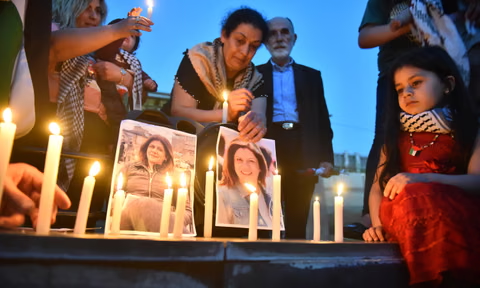
Impact on Regional Stability and Information Flow
Beyond the immediate tragedy, the humanitarian law violation concerns have broader implications. Analysts warn that such incidents can:
- Undermine press freedom
- Increase misinformation risks
- Heighten regional tensions
- Reduce transparency in conflict reporting
As the Middle East conflict escalation continues, access to accurate and independent information becomes increasingly critical.
Growing Pressure for Protective Measures
The humanitarian law violation concerns have renewed calls for stronger safeguards, including:
- Enhanced identification for journalists
- Improved coordination between media and military forces
- Independent monitoring mechanisms
- Greater enforcement of international protections
These measures aim to reduce risks and ensure that journalists can operate safely even in high-risk environments.
Uncertainty and Ongoing Developments
The situation remains fluid as investigations continue into the reported humanitarian law violation. The lack of confirmed details has contributed to uncertainty, while international attention remains focused on the case.
Observers caution that without clear findings and accountability, tensions could continue to escalate.
Key Developments and Implications
The humanitarian law violation concerns surrounding journalist killings in Lebanon highlight several critical issues:
- Reports indicate multiple journalists were killed during military operations
- International outrage has intensified calls for accountability
- Legal protections for journalists are under renewed scrutiny
- Press freedom risks continue to grow amid conflict
- Regional tensions remain elevated
Bottom Line: The incident underscores the urgent need to uphold international humanitarian law and protect journalists, as failure to do so could have lasting consequences for global security and transparency.