

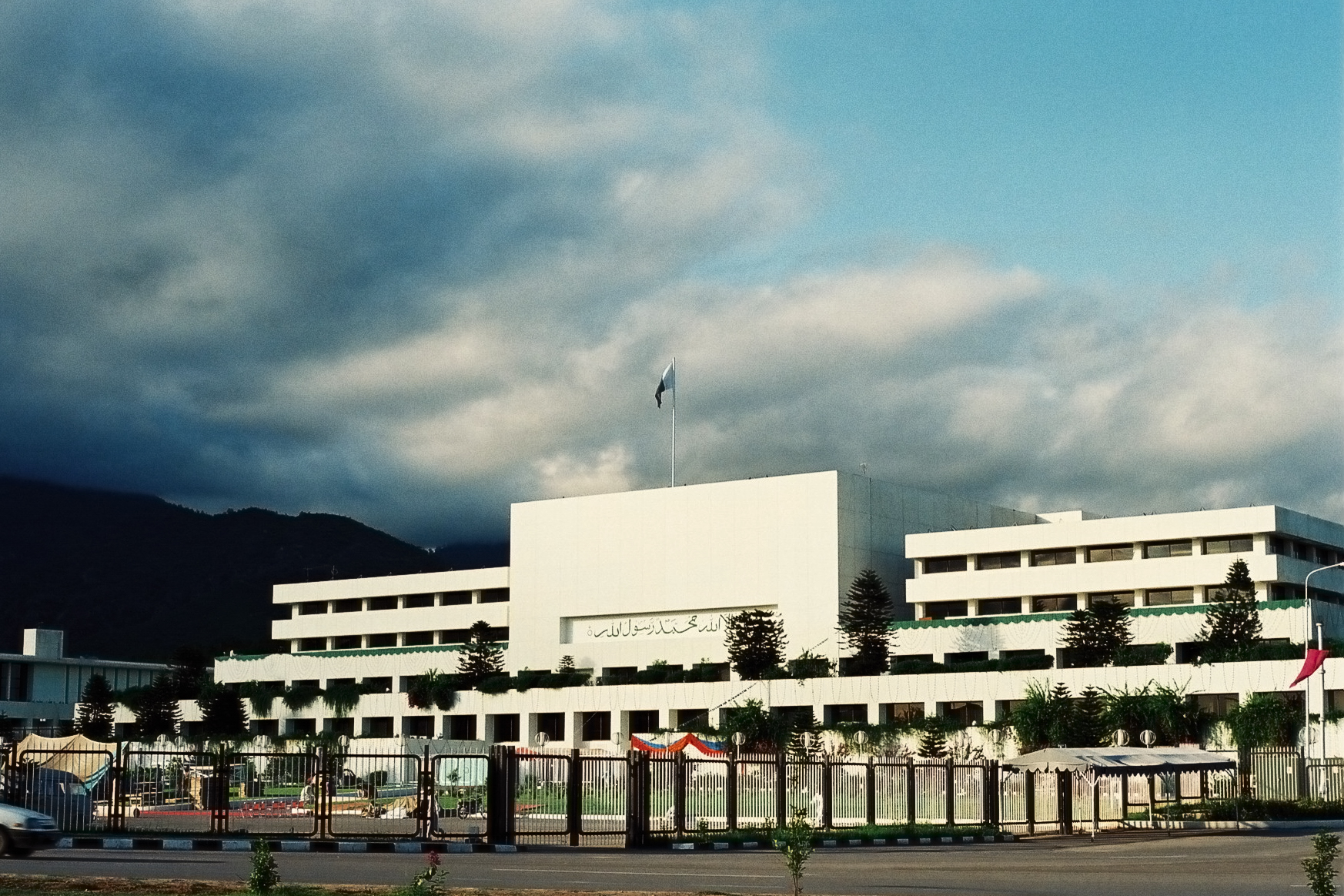
Islamabad, March 29, 2026 (Parliament Politics Magazine) US Iran conflict talks intensify amid diplomatic push US Iran conflict talks are entering a critical phase in 2026 as Pakistan takes on a central role as an interlocutor, hosting indirect negotiations aimed at ending the escalating war. The development comes amid growing global concern and the resignation of a senior counterterrorism official protesting the current strategy.
Pakistan is actively facilitating discussions involving regional powers and acting as a bridge between Washington and Tehran, where direct communication remains limited. Diplomats from countries including Saudi Arabia, Turkey, and Egypt have gathered in Islamabad to support de-escalation efforts.
A diplomatic source stated,
“The urgency surrounding US Iran conflict talks has never been greater. Without mediation, the risk of further escalation is significant.”
Pakistan Emerges as Key Mediator in Conflict Talks
Pakistan’s role in US Iran conflict talks has expanded rapidly, with officials confirming that Islamabad is hosting and facilitating indirect discussions between the two sides.
The country’s leadership has engaged in extensive diplomatic outreach, including direct communication with Iranian leadership and coordination with global partners. Recent statements indicate that Pakistan sees dialogue as the only viable path forward.
Reports suggest that Pakistan’s mediation efforts are also driven by strategic concerns, including regional stability and the risk of being drawn into the conflict due to existing alliances.
Resignation Signals Internal Dissent Over War Policy
Adding to the urgency of US Iran conflict talks, a top counterterrorism official has resigned in protest of the war strategy. The resignation highlights internal divisions and raises questions about the sustainability of current policies.
While details remain limited, sources indicate the official expressed concerns over the long-term consequences of continued escalation and the lack of a clear diplomatic pathway.
Analysts view this development as a significant moment, suggesting it could increase pressure on policymakers to prioritize negotiations over military action.
Indirect Negotiations Continue Despite Deep Mistrust
Despite heightened tensions, US Iran conflict talks are progressing through indirect channels, with mediators conveying messages between both sides.
Pakistan, alongside other regional actors, is playing a crucial role in maintaining communication lines. However, trust remains a major obstacle.
Iran has emphasized that meaningful negotiations require trust and guarantees, while the United States continues to push for significant concessions.
A regional expert noted,
“The biggest challenge in US Iran conflict talks is not the absence of dialogue—it’s the absence of trust.”
Escalation Continues as Talks Progress
Even as diplomatic efforts intensify, military developments continue to escalate the situation. Reports indicate ongoing strikes, troop deployments, and regional involvement that could complicate negotiations.
The conflict has expanded to include additional actors, increasing the risk of a broader regional confrontation.
This dual-track dynamic—ongoing conflict alongside active diplomacy—adds complexity to US Iran conflict talks, making outcomes increasingly uncertain.
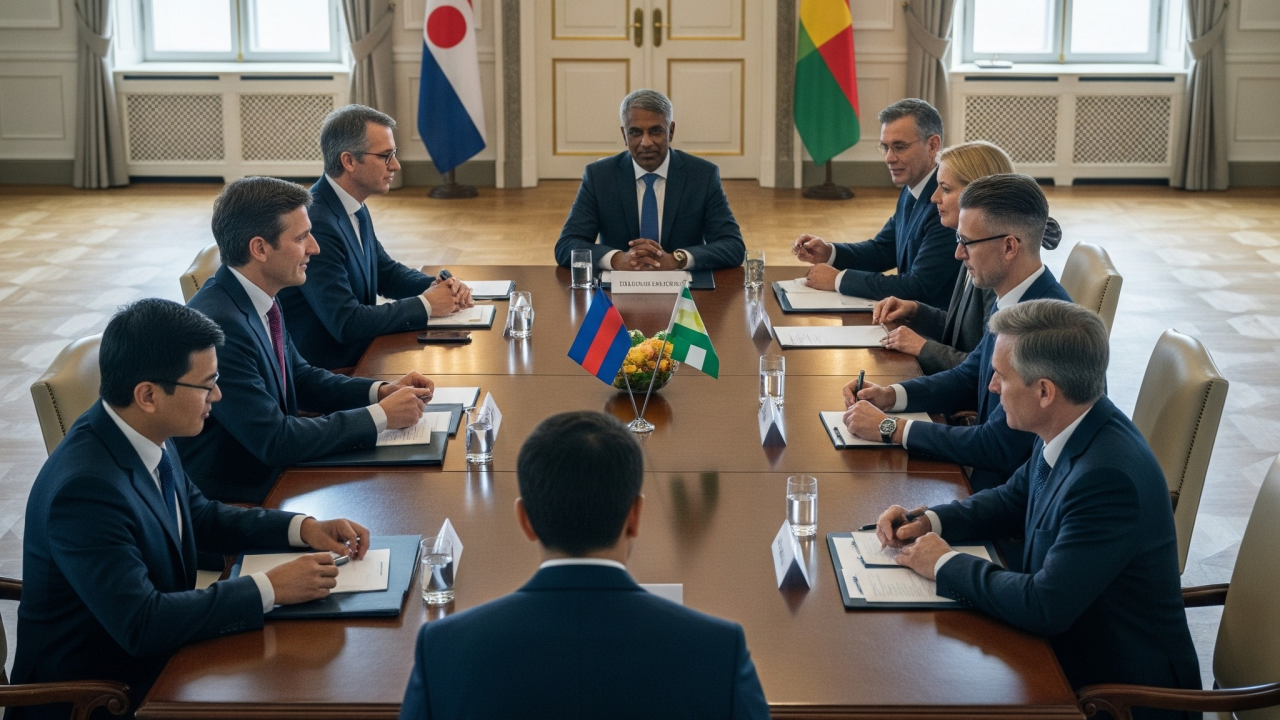
Global Stakes: Energy, Security, and Economic Impact
The implications of US Iran conflict talks extend far beyond the immediate region. Energy markets, global trade routes, and international security are all being affected.
Disruptions in key shipping routes and concerns over supply chains have already influenced oil prices and economic forecasts.
Pakistan’s involvement is partly driven by these broader concerns, as the country relies heavily on regional stability for its own economic security.
Diplomatic Framework: What Each Side Wants
Negotiations within US Iran conflict talks are shaped by competing priorities:
- United States: Seeks limits on nuclear activities, missile programs, and regional influence
- Iran: Demands recognition of sovereignty, sanctions relief, and guarantees against further attacks
- Mediators (including Pakistan): Aim to reduce tensions and create a framework for dialogue
These differences underscore the complexity of reaching an agreement.
Historical Context of US-Iran Negotiations
The current US Iran conflict talks are part of a longer history of indirect negotiations between the two countries. Previous talks, often mediated by third parties, have achieved limited progress but have frequently been disrupted by geopolitical developments.
Recent attempts at diplomacy showed early signs of progress before being derailed by military escalation, illustrating the fragile nature of such efforts.
Pakistan’s Strategic Calculus
Pakistan’s decision to engage in US Iran conflict talks reflects a combination of diplomatic ambition and strategic necessity.
The country faces multiple pressures:
- Maintaining relationships with both the United States and regional allies
- Avoiding direct involvement in the conflict
- Protecting economic interests tied to regional stability
This balancing act has positioned Pakistan as a key intermediary, even as challenges remain.
Challenges Facing the Peace Process
Several obstacles continue to hinder progress in US Iran conflict talks:
- Deep mistrust between the United States and Iran
- Ongoing military escalation
- Diverging strategic objectives
- External geopolitical influences
These challenges highlight the difficulty of achieving a lasting resolution.
What Comes Next: Key Developments to Watch
As US Iran conflict talks continue, several factors will shape their outcome:
- Progress in Pakistan-hosted negotiations
- Changes in military activity on the ground
- Responses from global powers and regional allies
- Economic and energy market reactions
Each of these elements will influence whether diplomacy can succeed.
A Critical Moment for Diplomacy
The current phase of US Iran conflict talks represents a pivotal moment in the broader conflict. With Pakistan stepping in as a mediator and internal dissent emerging within policy circles, the pressure for a diplomatic solution is increasing.
While challenges remain significant, the continuation of talks offers a potential pathway toward de-escalation. The coming weeks will be crucial in determining whether diplomacy can overcome entrenched divisions.

Key Developments
- US Iran conflict talks intensify as Pakistan hosts mediation efforts
- Senior counterterrorism official resigns in protest of war strategy
- Indirect negotiations continue despite deep mistrust
- Regional escalation raises risks of broader conflict
- Diplomatic efforts offer potential path to de-escalation
