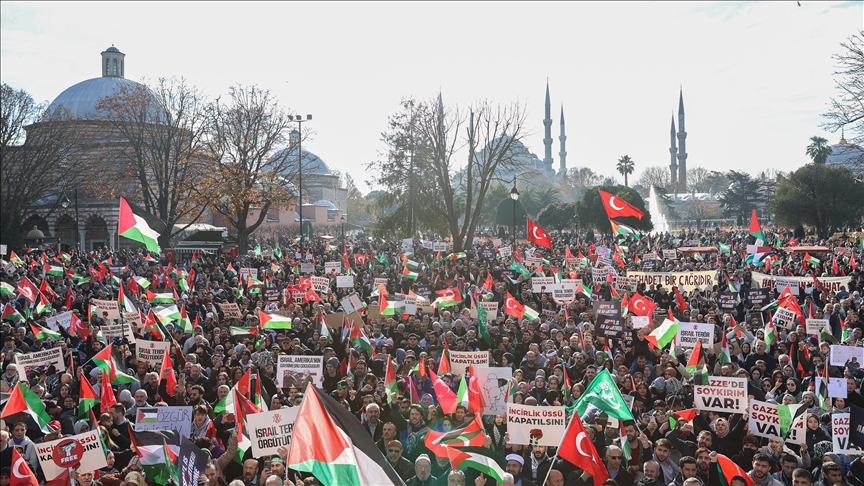
Ankara, Turkiye, March 29, 2026 (Parliament Politics Magazine) global diplomatic crisis concerns escalated sharply as hundreds gathered across Turkiye to protest against the United States and Israel, highlighting growing unrest and increasing pressure on international leaders to respond.
Demonstrators assembled in key urban centers including Ankara and Istanbul, voicing strong opposition to recent military developments and warning of broader consequences if tensions continue to rise. The protests, largely peaceful but emotionally charged, reflect a deepening global diplomatic crisis that is now being felt at the public level.
Public Outrage Reflects Escalating Global Diplomatic Crisis
The protests come at a time when international relations are under significant strain. The global diplomatic crisis has been fueled by reports of military actions and strategic positioning involving the United States and Israel, prompting widespread concern among citizens in Turkiye and beyond.
Participants carried banners calling for peace, accountability, and immediate diplomatic intervention. Many emphasized that continued escalation could destabilize not only the Middle East but also global security frameworks.
One protester said:
“This global diplomatic crisis is not just about politics—it’s about the future of peace.”
The statement captured the broader sentiment among demonstrators, who view the situation as a turning point in international relations.
Authorities Maintain Control Amid Growing Demonstrations
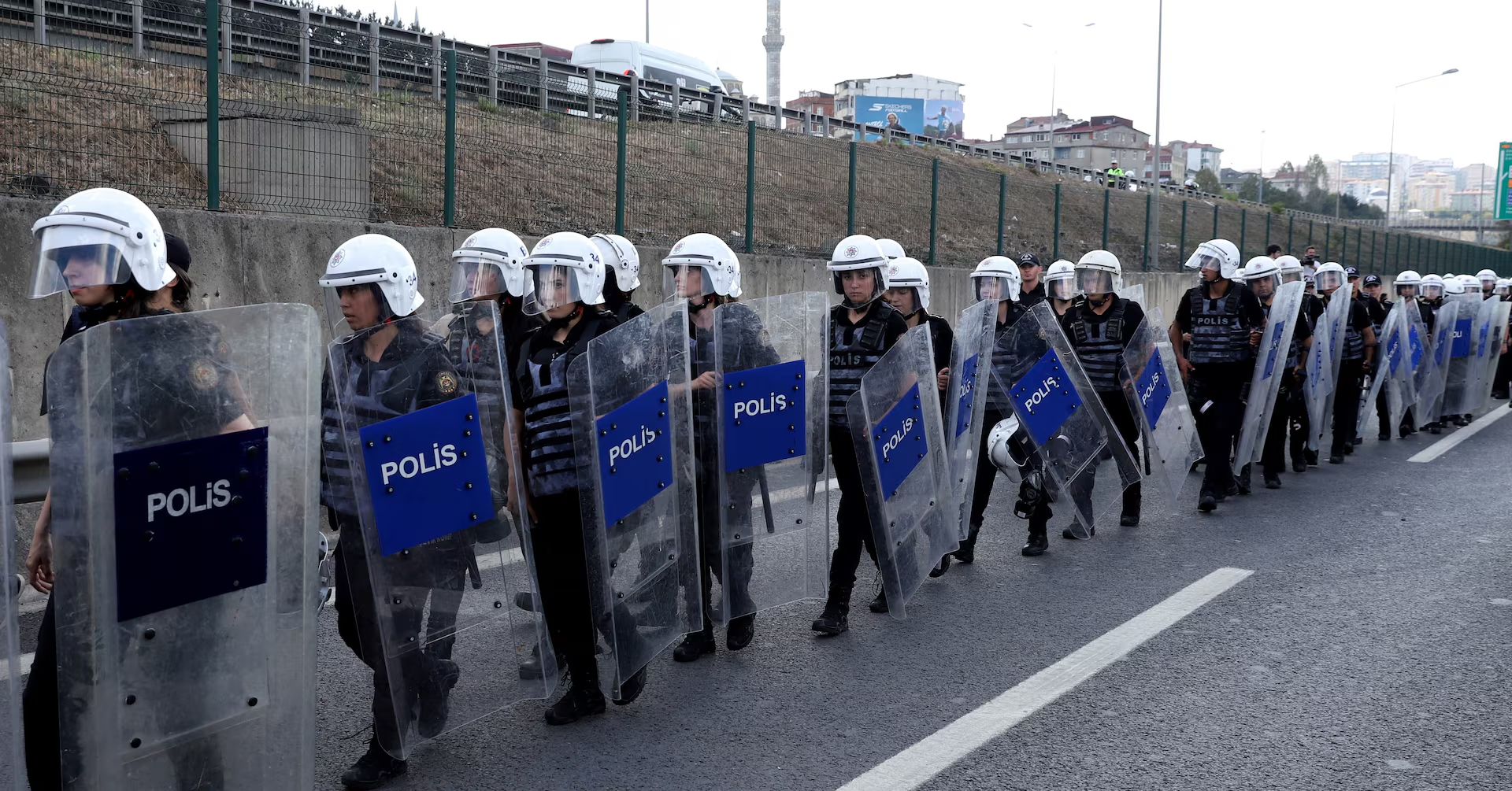
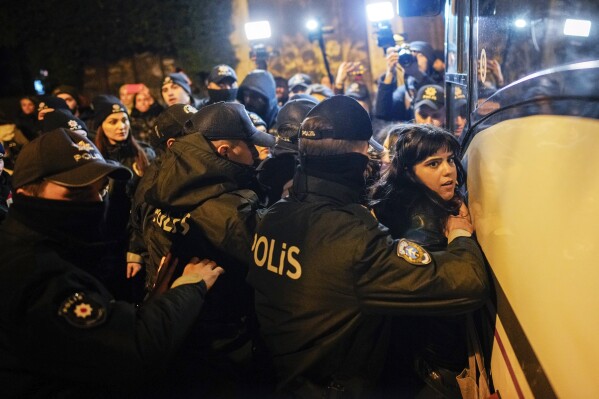
Turkish authorities deployed security forces across major cities to monitor the gatherings and ensure public safety. Officials confirmed that the protests remained largely peaceful, with no significant incidents reported.
While the government has not formally supported the demonstrations, it acknowledged the right of citizens to express their concerns. Analysts suggest that Ankara is carefully managing internal public sentiment while maintaining its position on the international stage.
Heightened security measures were observed near embassies and key government facilities, reflecting the seriousness of the global diplomatic crisis and its potential impact on domestic stability.
Geopolitical Background Driving the Crisis
The current global diplomatic crisis is closely tied to ongoing tensions involving the United States, Israel, and regional actors. Military developments and strategic decisions have raised concerns about the possibility of broader conflict.
Turkiye’s strategic location and influence make it a critical player in regional diplomacy. Public demonstrations within the country often signal deeper geopolitical shifts and can influence policy decisions.
Experts note that the protests are part of a wider pattern of public reaction across multiple countries, suggesting that the global diplomatic crisis is expanding beyond traditional political channels.
Humanitarian Concerns Amplify Public Reaction
A key driver behind the protests is concern over the humanitarian consequences of escalating conflict. Demonstrators highlighted the impact on civilians, including displacement, economic hardship, and long-term instability.
Human rights advocates have called for restraint and adherence to international laws, warning that failure to act could worsen the global diplomatic crisis.
Another protester stated:
“If this global diplomatic crisis continues, the human cost will be unimaginable.”
This perspective has resonated widely, adding urgency to calls for diplomatic solutions.
Global Media and Social Platforms Fuel Awareness
Media coverage of the protests has brought international attention to the growing global diplomatic crisis. News outlets and digital platforms have amplified the voices of demonstrators, increasing pressure on policymakers.
Social media has played a critical role in organizing protests and spreading information, allowing events in Turkiye to resonate globally. Hashtags and live broadcasts have expanded the reach of the movement, drawing attention from international audiences.
Analysts believe this heightened visibility could influence diplomatic strategies and accelerate discussions around conflict resolution.
Potential Diplomatic Consequences for Turkiye
The protests may have implications for Turkiye’s foreign policy, particularly in its relationships with the United States and Israel. Public opinion can shape diplomatic decisions, especially during periods of heightened tension.
Although no immediate policy changes have been announced, sustained demonstrations could lead to shifts in diplomatic positioning or rhetoric.
Turkiye has historically balanced its alliances carefully, but the current global diplomatic crisis presents new challenges that may require strategic adjustments.
Regional and Global Implications
The global diplomatic crisis is not confined to Turkiye. Similar demonstrations and reactions have been observed in other regions, indicating widespread concern over the direction of international relations.
Experts warn that continued escalation could have far-reaching effects, including economic disruptions, increased migration, and heightened security risks worldwide.
The interconnected nature of global politics means that developments in one region can quickly impact others, making the situation particularly volatile.
Historical Perspective on Public Protests
Public protests have long played a role in shaping political discourse in Turkiye. From domestic issues to international conflicts, citizens have used demonstrations as a means of influencing policy and expressing collective concerns.
The current protests are consistent with this tradition, serving as both a reflection of public sentiment and a catalyst for potential change during this global diplomatic crisis.
What Lies Ahead in the Global Diplomatic Crisis?
The future of the global diplomatic crisis remains uncertain. Diplomatic efforts are ongoing, but tensions continue to rise. Observers are closely monitoring developments to determine whether the situation will escalate further or move toward resolution.
International organizations and mediators may play a critical role in de-escalating tensions and facilitating dialogue.
Key Developments Overview
- Hundreds protested across Turkiye amid a growing global diplomatic crisis
- Demonstrations focused on opposition to US and Israel actions
- Humanitarian concerns are driving public outrage
- Security measures increased in major cities
- Potential diplomatic consequences for Turkiye’s foreign policy
A Defining Moment for Global Stability
The global diplomatic crisis has entered a critical phase, as public demonstrations in Turkiye underscore the urgency of the situation. The protests reflect not only regional concerns but also a broader shift in global sentiment.
While the immediate impact remains uncertain, the growing public response signals increasing pressure on world leaders to act. Whether through diplomacy or continued tension, the coming weeks will be pivotal in shaping the future of international relations.