

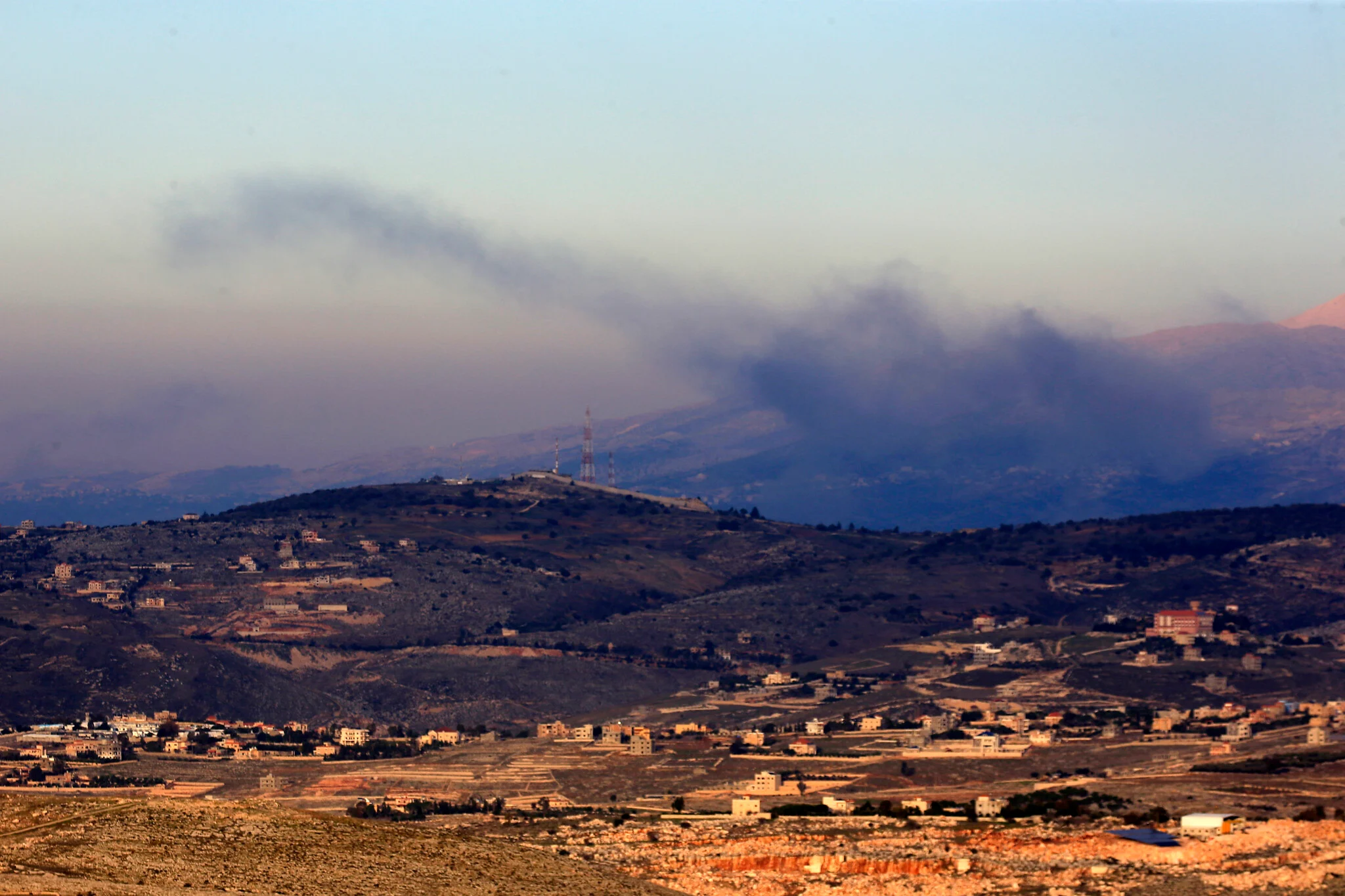
BEIRUT / TEL AVIV, March 30, 2026 (Parliament Politics Magazine) Middle East diplomatic tension has intensified following an Israeli military strike that reportedly killed a Lebanese soldier, an incident widely interpreted as a warning signal in an already fragile regional environment. The development has sparked concern among policymakers, analysts, and the public, raising fears of escalation across sensitive border zones.
The event underscores the delicate balance in the region, where even a single military action can trigger broader geopolitical consequences.
Incident Triggers Immediate Regional Reaction
The reported killing of a Lebanese soldier has prompted swift condemnation from Lebanese authorities, who described the incident as a serious escalation. Officials warned that such actions risk undermining stability and increasing the likelihood of further confrontation.
Public reaction has been equally strong, with many viewing the event as more than an isolated incident. The Middle East diplomatic tension narrative has gained traction as people interpret the strike as a calculated signal rather than a spontaneous military action.
A regional observer noted:
“This is not just a tactical event—it carries a strategic message that resonates across the region.”
Perception of a Strategic Warning
Analysts suggest that the strike may have been intended to send a broader message regarding security dynamics in the region. The perception of a warning has become central to how the incident is being understood.
Middle East diplomatic tension is therefore being shaped not only by the action itself but also by how it is interpreted by different stakeholders. This dynamic increases the risk of miscalculation, where actions taken as deterrence could lead to unintended escalation.
Experts caution that perception often plays as important a role as reality in shaping geopolitical outcomes.
Border Stability Under Increasing Pressure
The Lebanon-Israel border has historically been a flashpoint for conflict, with periodic incidents threatening to destabilize the area. The latest development adds to ongoing concerns about maintaining calm in this sensitive region.
Middle East diplomatic tension is particularly evident along border zones, where military activities are closely monitored and quickly interpreted as signals of intent.
Authorities on both sides have called for restraint, emphasizing the importance of avoiding actions that could escalate the situation further.
International Calls for Restraint
Global reactions have focused on the need for de-escalation. Leaders from various countries and international organizations have urged both sides to exercise caution and prioritize dialogue.
The Middle East diplomatic tension resulting from the incident has prompted renewed calls for diplomatic engagement. Many officials stress that communication remains essential in preventing further deterioration.
One international analyst stated:
“Diplomacy is not optional in moments like this—it is necessary to prevent a wider crisis.”
Historical Context of Regional Conflict
The Middle East has long been characterized by complex political and military dynamics. Conflicts involving Lebanon and Israel have occurred periodically, often influenced by broader regional and global factors.
The current situation reflects these ongoing challenges, with Middle East diplomatic tension continuing to evolve in response to both historical grievances and contemporary developments.
Understanding this context is crucial for evaluating the potential implications of recent events.
Impact on Regional Security
The incident has raised concerns about broader regional security, with analysts warning that escalation could involve additional actors.
Middle East diplomatic tension is now influencing security calculations across multiple countries, as governments assess potential risks and responses.
Security experts emphasize that maintaining stability will require careful coordination and a commitment to de-escalation.
Public Sentiment and Media Influence
Public perception plays a significant role in shaping the impact of such incidents. In Lebanon, many citizens have expressed concern about the potential for further conflict.
The Middle East diplomatic tension narrative has been amplified by media coverage, which highlights both the immediate event and its broader implications.
This heightened awareness contributes to a sense of urgency surrounding the need for diplomatic solutions.
Economic and Political Implications
Rising tensions can have far-reaching economic and political consequences. Increased instability may affect investment, trade, and tourism across the region.
Governments are closely monitoring developments, aware that prolonged tension can disrupt economic activity and strain political relationships.
Middle East diplomatic tension therefore extends beyond security concerns, influencing multiple aspects of regional and global dynamics.
Diplomatic Efforts and Potential Outcomes
Despite the challenges, diplomatic efforts remain ongoing. International mediators are working to facilitate dialogue and reduce tensions.
The Middle East diplomatic tension situation highlights the importance of sustained engagement and cooperation among global actors.
While immediate resolution may be unlikely, continued diplomacy offers a pathway toward stability.
What Comes Next?
The coming days will be critical in determining whether tensions escalate or stabilize. Both military actions and diplomatic initiatives will shape the outcome.
Observers emphasize that restraint and communication are essential in preventing further conflict.
Middle East diplomatic tension will remain a key focus for policymakers and analysts as the situation evolves.
A Warning Moment for the Region
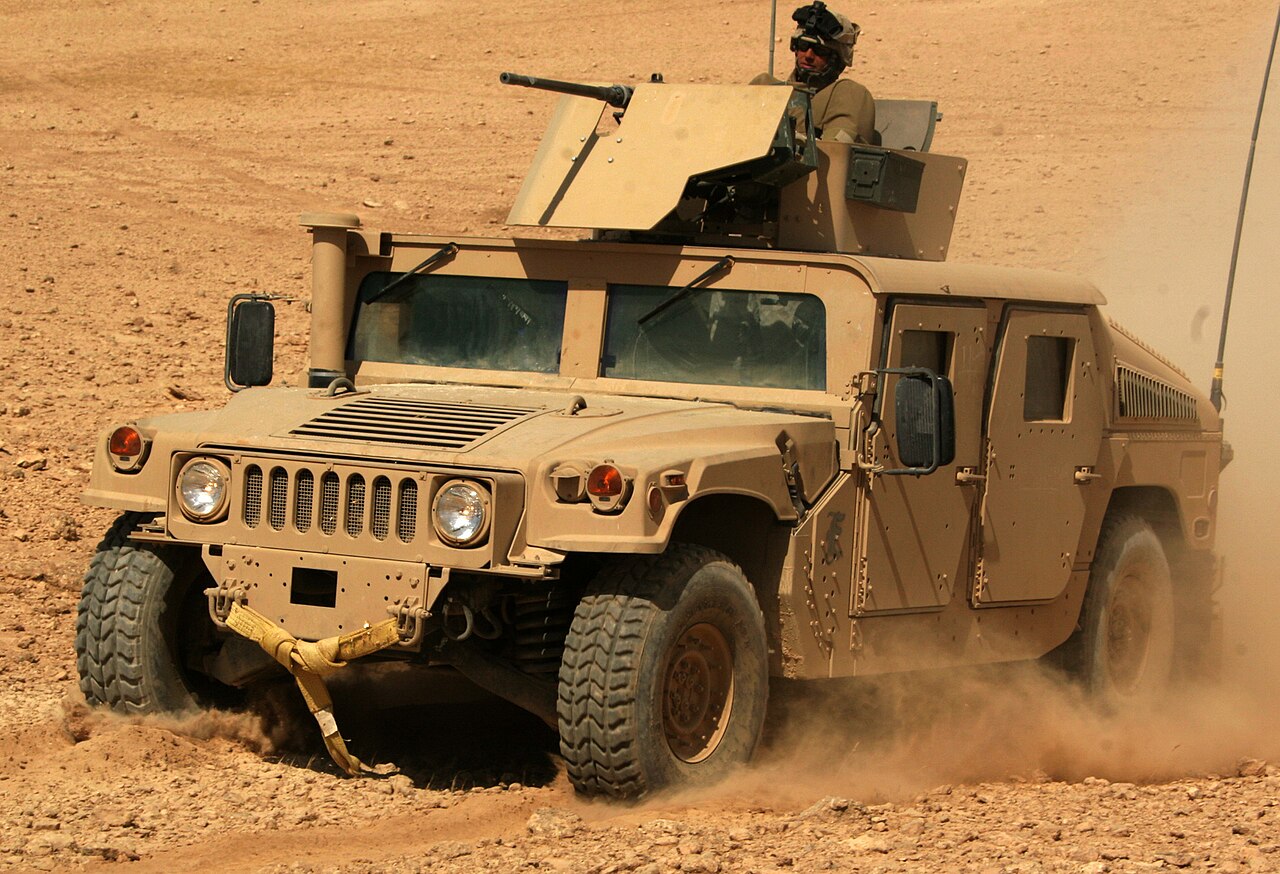
The Israeli strike that resulted in the death of a Lebanese soldier has intensified concerns across the region, with many interpreting the incident as a warning signal rather than an isolated event. The implications for diplomacy, security, and stability are significant.
In summary:
Middle East diplomatic tension is rising as regional actors respond to recent developments, highlighting the urgent need for dialogue and coordinated efforts to prevent escalation.
