Sir Keir Starmer’s plan to hand over the Chagos Islands to Mauritius, was dealt a hammer blow yesterday, when the British Indian Ocean Territory (BIOT) Supreme Court quashed the ban on people living on the outer islands.
In a landmark ruling, Justice James Lewis overturned the decades-old ban on Chagossians living on the archipelago, effectively dismantling a central pillar of the British government’s exclusion policy that has stood since 2004.
The ruling comes at a precarious moment for Prime Minister Keir Starmer, whose administration has been working to finalise a controversial sovereignty handover.
The court’s decision not only challenges the legal basis of the current administration’s control over the territory but also raises urgent questions about the viability of the proposed UK-Mauritius deal. For the residents who were forcibly removed in the 1960s and 70s, the judgment represents the first tangible victory in a quest for return that has spanned generations.
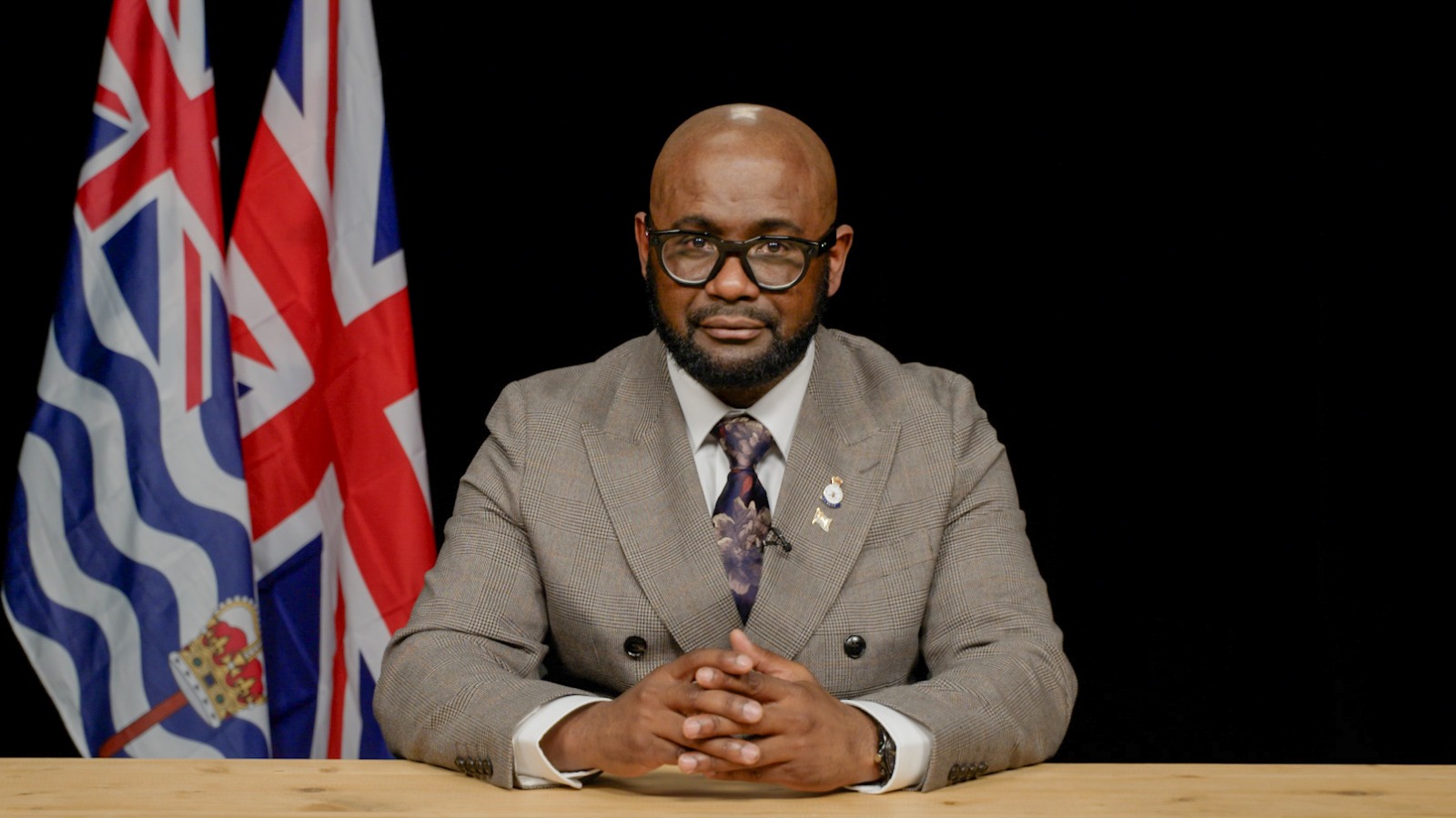
The catalyst for this legal earthquake was a daring expedition in February 2026. A group of four Chagossians, led by Louis Misley Mandarin, the First Minister of a Chagossian Government-in-Exile, successfully landed on Ile Du Coin.
This act of civil disobedience was intended to force a legal confrontation over the 2004 “Order in Council”, which had prohibited any person from entering or remaining in the territory without express permission.
While the BIOT administration initially issued removal orders against the group, the matter was swiftly escalated to the judiciary. Justice James Lewis, presiding over the BIOT Supreme Court, granted an interim injunction preventing their deportation. His reasoning was as simple as it was devastating to the government’s position: the lack of evidence that the presence of these individuals posed any “threat to national security.”
The crux of Justice Lewis’s ruling lies in the inherent contradiction of the British government’s current stance. For years, successive UK administrations argued that the outer Chagos Islands: distinct from the heavily fortified military base on Diego Garcia: must remain uninhabited due to security concerns and the prohibitive costs of maintaining infrastructure and services.
However, the UK-Mauritius deal, signed in May 2025, fundamentally undermined these arguments. Under the terms of the treaty, the UK agreed to transfer sovereignty of the islands to Mauritius while retaining a 99-year lease over Diego Garcia. Crucially, the deal explicitly permits Mauritius to settle and develop the outer islands. Justice Lewis noted that since the British government has already accepted that the islands can and will be populated by Mauritius, the long-standing arguments regarding security risks and exclusion costs are no longer valid.
By agreeing that the territory is fit for habitation under Mauritian rule, the UK government effectively conceded that there is no logical reason to prevent the original inhabitants from living there under the current British administration.
This legal “checkmate” has left both No 10 and the Foreign, Commonwealth & Development Office (FCDO) scrambling to justify its continued enforcement of the 2004 ban.
The fallout from the ruling is compounded by the burgeoning financial implications of the sovereignty deal. Recent estimates cited by critics of the agreement suggest that the total cost to the British taxpayer could range between £35 billion and £51 billion over the course of the 99-year lease. These figures include development aid, lease payments, and the logistical costs of the transition.
Adding to the government’s woes is the changing political climate in Washington. President Donald Trump has been a vocal critic of the deal, describing the decision to cede sovereignty of the Chagos Islands as an act of “GREAT STUPIDITY.” The United States views the archipelago as a vital strategic asset, with Diego Garcia serving as a critical hub for operations in the Middle East and the Indo-Pacific.
The Trump administration’s reversal of U.S. support for the deal in January 2026 has created a rift in the “special relationship.” U.S. officials are reportedly concerned that Mauritian sovereignty could eventually open the door for Chinese influence in the region, particularly if Mauritius seeks investment for the development of the outer islands. This geopolitical tension makes the BIOT Supreme Court ruling even more significant, as it provides a legal pretext for the UK to delay or even reconsider the handover if the security situation is deemed compromised.
In Westminster, the ruling has provided fresh ammunition for the opposition. Dame Priti Patel, the Shadow Foreign Secretary, described the court’s decision as a “humiliation” for Keir Starmer and his cabinet. While Reform Leader Nigel Farage, a long standing crictic of Labour’s approach, had described the proposed handover as, “just about the worst deal in history”.
The Conservative Party and Reform have long argued that the deal compromises British strategic interests in the Indian Ocean for a high financial price. Expect them to return to this latest blow to the policy when Parliament returns.
Chagos Islands: Court overturns decades-old ban on return in major blow to Starmer’s deal