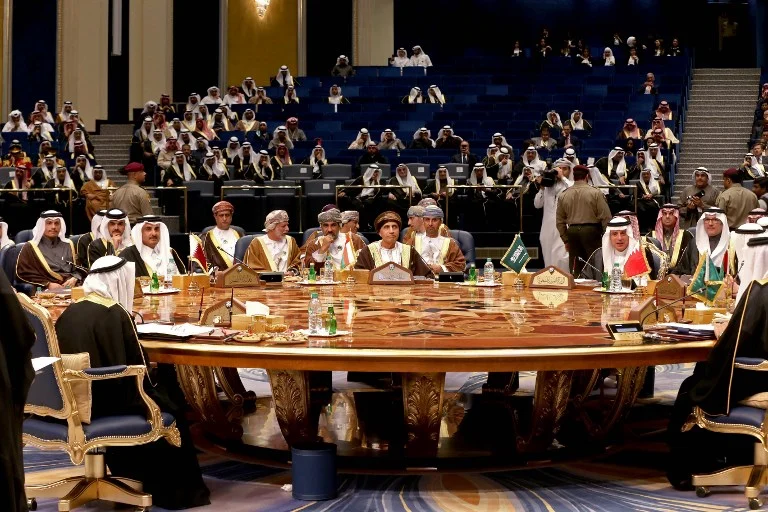
Doha, March 31, 2026 (Parliament Politics Magazine) Iran Gulf conflict impact is rapidly reshaping geopolitical strategy after Qatar declared that the future of critical maritime routes, including the Strait of Hormuz, should be decided collectively by regional nations rather than external powers.
The statement comes amid escalating tensions linked to the ongoing war involving Iran and Western allies, with recent attacks on oil infrastructure and shipping routes intensifying global concern. The issue has become central to both regional security and global economic stability.
Qatar Pushes for Regional Authority
The Iran Gulf conflict impact is becoming more pronounced as Qatar calls for a unified regional approach to managing strategic waterways. Officials argue that Gulf nations are best positioned to ensure stability and prevent escalation.
This shift reflects growing dissatisfaction with external involvement in regional security matters. Qatar’s position aligns with broader calls for cooperative frameworks to manage tensions and protect vital trade routes.
A regional official stated:
“The Iran Gulf conflict impact demands regional solutions that prioritize stability, cooperation, and shared responsibility.”
Strategic Importance of the Strait of Hormuz
The Iran Gulf conflict impact is closely tied to the Strait of Hormuz, one of the world’s most critical energy chokepoints. Around 20% of global oil and liquefied natural gas flows pass through this narrow waterway, making it essential for global trade and energy security.
Disruptions to the strait have already caused significant economic consequences. Iran’s actions in the region, including restrictions on shipping, have contributed to rising oil prices and supply chain instability.
Escalating Attacks and Regional Instability
Recent developments highlight the growing Iran Gulf conflict impact. A Kuwaiti oil tanker was struck by an Iranian drone in Dubai, signaling an expansion of the conflict into key commercial hubs.
At the same time, missile strikes targeting energy infrastructure in Qatar have raised concerns about long-term supply disruptions and financial risks.
These incidents underscore the vulnerability of critical infrastructure and the potential for further escalation.
Global Energy Markets Under Pressure
The Iran Gulf conflict impact is being felt across global markets, with oil prices experiencing sharp volatility. The closure and disruption of the Strait of Hormuz have contributed to significant price increases, affecting economies worldwide.
Analysts warn that prolonged instability could lead to sustained high energy costs, increased inflation, and broader economic challenges.
Countries heavily reliant on Gulf energy exports are particularly vulnerable, as supply disruptions ripple through global supply chains.
International Response and Diplomatic Efforts
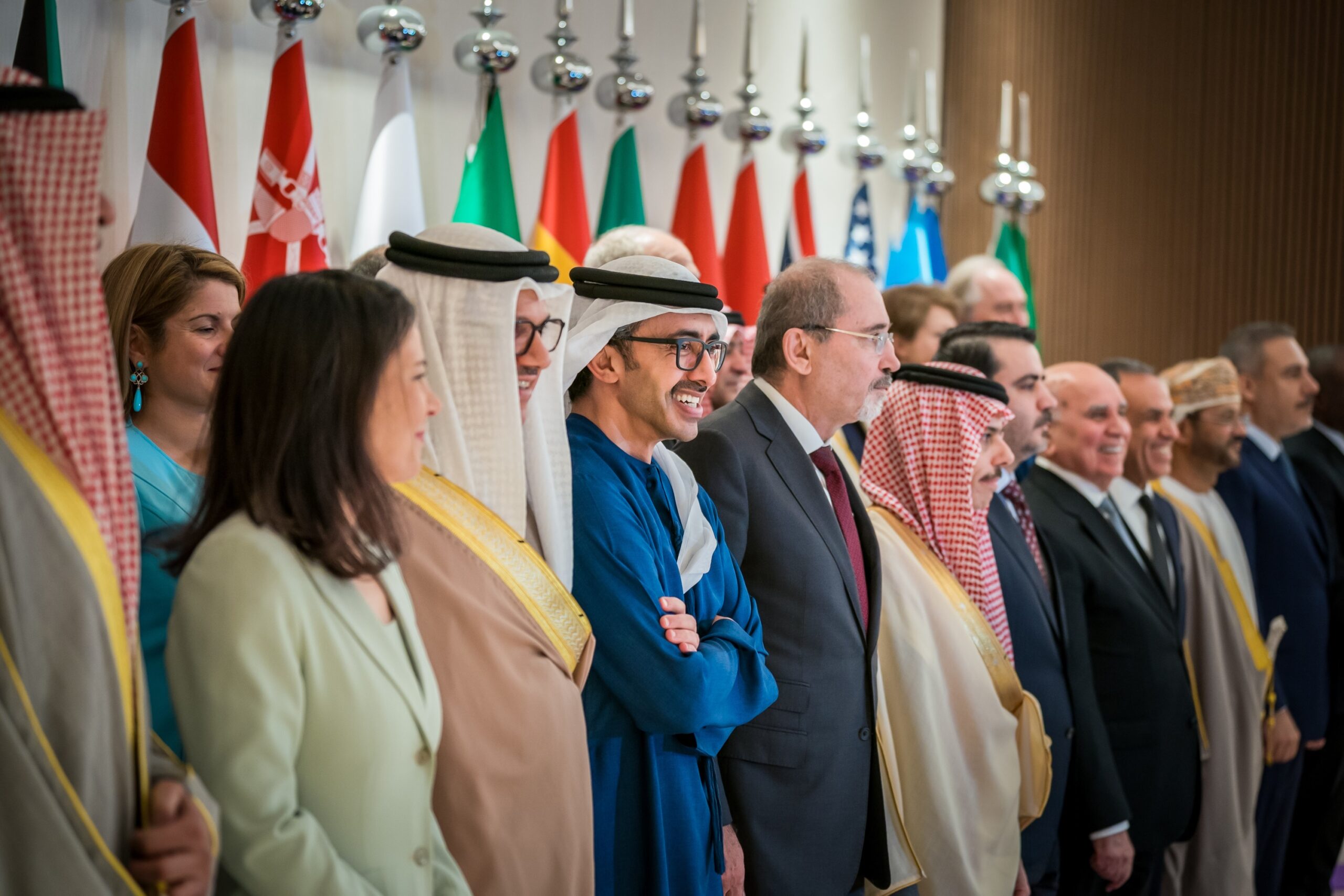
The Iran Gulf conflict impact has prompted widespread international response. Governments and global organizations are exploring diplomatic solutions to stabilize the region and ensure the free flow of trade.
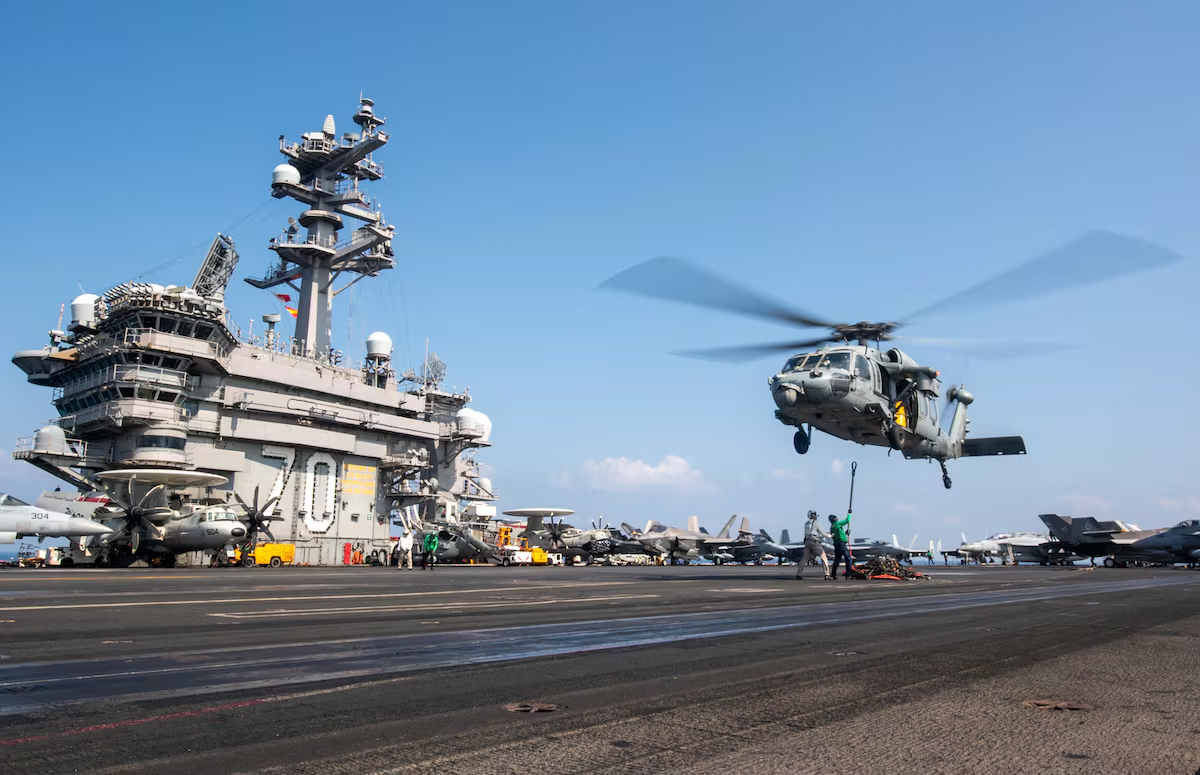
Efforts include discussions on reopening key shipping routes, coordinating naval security, and promoting dialogue among regional stakeholders.
Qatar’s call for regional decision-making adds momentum to these discussions, potentially reshaping how global powers engage with the Gulf.
Economic and Security Risks for the Region
The Iran Gulf conflict impact extends beyond oil markets, affecting food security, water supply, and industrial operations across the Gulf.
Many countries in the region depend heavily on desalination and imports that rely on secure maritime routes. Disruptions could lead to shortages and increased costs for essential resources.
Experts warn that continued instability could have long-term consequences for both regional and global economies.
Historical Context: A Persistent Flashpoint
The Iran Gulf conflict impact is part of a long history of tensions surrounding the Strait of Hormuz. Previous conflicts have demonstrated how quickly the region can become unstable when shipping routes are threatened.
However, the current situation is more complex due to the scale of global dependency on the strait and the interconnected nature of modern economies.
What Comes Next
The Iran Gulf conflict impact will likely shape future diplomatic and security strategies in the region. Key priorities include reopening shipping routes, protecting infrastructure, and preventing further escalation.
Observers believe that regional cooperation, combined with international support, will be essential to maintaining stability.
A Defining Moment for Global Energy Security
The Iran Gulf conflict impact represents a critical turning point in global geopolitics. Qatar’s call for regional control highlights the need for collaborative solutions to manage one of the world’s most strategic regions.
As tensions continue, the decisions made in the coming months could have lasting implications for global trade, energy markets, and international relations.
Why Iran Gulf Conflict Impact Is Redefining Global Energy and Security Power
Iran Gulf conflict impact is reshaping global energy and security strategies.
Qatar calls for regional control amid rising geopolitical tensions.
The outcome could redefine stability in global oil markets.