

Doha, March 31, 2026 (Parliament Politics Magazine) nuclear facility risk conflict is rapidly becoming a central concern in global security discussions after Qatar issued a strong warning urging all parties to avoid targeting energy and nuclear infrastructure amid rising regional tensions.
The statement comes as geopolitical friction involving Iran and Western powers escalates, raising fears that critical facilities could become targets in a broader conflict. Experts warn that such actions could trigger catastrophic consequences far beyond the immediate region.
Qatar Issues Urgent Call for Restraint
The nuclear facility risk conflict warning underscores the growing danger that essential infrastructure could be targeted during ongoing tensions. Qatar emphasized that energy plants, nuclear facilities, and related systems must remain protected to prevent irreversible damage.
Officials highlighted that attacks on such sites would not only escalate military conflict but also pose severe environmental and humanitarian risks.
A regional official stated:
“The nuclear facility risk conflict is not just a regional issue—it represents a global threat that could have lasting consequences for humanity.”
Why Nuclear Facilities Are High-Risk Targets
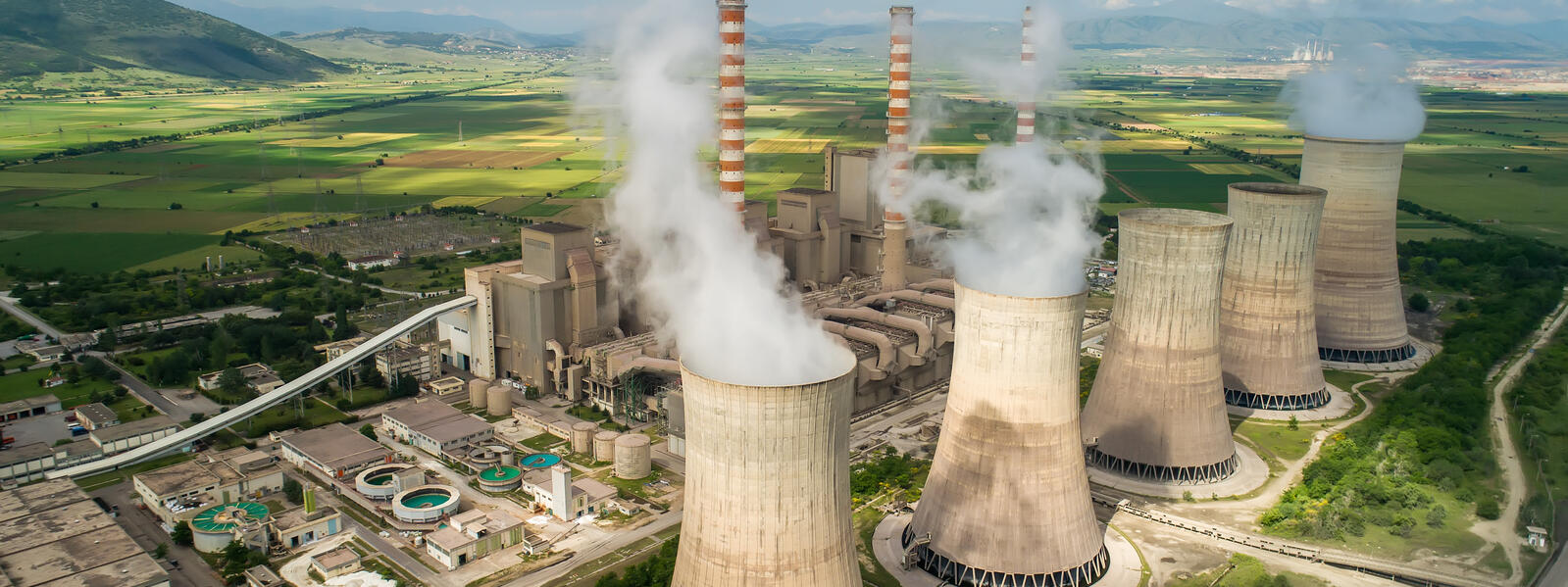
The nuclear facility risk conflict is particularly concerning due to the potential consequences of damage to these sites. Unlike conventional infrastructure, nuclear facilities carry the risk of radiation exposure, environmental contamination, and long-term public health impacts.
Energy infrastructure linked to nuclear operations is also critical for maintaining stability. Any disruption could lead to widespread power outages and economic instability.
Experts warn that even limited damage to nuclear systems could result in cascading global effects.
Escalating Regional Tensions Drive Concern
The nuclear facility risk conflict is closely tied to escalating tensions in the Middle East. Recent developments involving military activity, threats to infrastructure, and strategic positioning have heightened fears of broader escalation.
Analysts suggest that targeting critical infrastructure would represent a significant escalation, potentially drawing additional countries into the conflict.
The situation remains highly volatile, with global attention focused on preventing further deterioration.
Global Economic and Environmental Impact
The nuclear facility risk conflict carries significant economic and environmental implications. Damage to nuclear facilities could result in long-term contamination, affecting agriculture, water supplies, and public health.
At the same time, disruptions to energy infrastructure could lead to global market instability, driving up costs and impacting industries worldwide.
Experts emphasize that the combined economic and environmental risks make this issue particularly urgent.
International Response and Diplomatic Efforts
The nuclear facility risk conflict has prompted strong reactions from international leaders and organizations. Many have echoed Qatar’s call for restraint and stressed the importance of protecting critical infrastructure.
Diplomatic efforts are underway to reduce tensions and reinforce international norms regarding the protection of energy and nuclear sites.
Global cooperation is seen as essential to preventing escalation.
Historical Context: Infrastructure in Conflict Zones
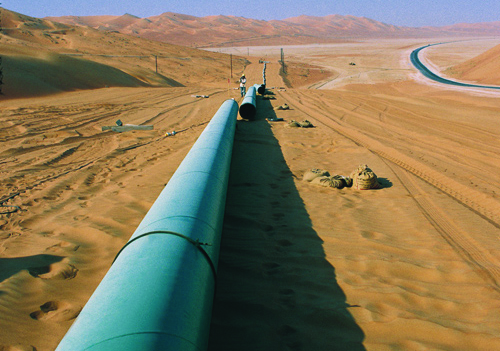
Historically, critical infrastructure has often been targeted during conflicts due to its strategic importance. However, the nuclear facility risk conflict introduces a new level of danger due to the potential for long-term environmental damage.
Past incidents have demonstrated the devastating consequences of infrastructure attacks, reinforcing the need for stronger protections.
What Happens Next
The nuclear facility risk conflict is expected to influence future policy decisions and security strategies. Governments may increase protections around critical sites while continuing diplomatic efforts to prevent escalation.
Observers believe that restraint and cooperation will be key to avoiding a larger crisis.
A Defining Global Security Challenge
The nuclear facility risk conflict represents one of the most serious threats emerging from current geopolitical tensions. Qatar’s warning highlights the urgent need to protect critical infrastructure and prevent actions that could have irreversible consequences.
As the situation evolves, the global community faces increasing pressure to act responsibly and ensure the safety of both people and the environment.
Why Nuclear Facility Risk Conflict Could Trigger a Global Crisis
Nuclear facility risk conflict raises urgent global security concerns.
Qatar calls for restraint to protect critical infrastructure.
The outcome could shape environmental and economic stability worldwide.
