
DOHA, March 31, 2026 (Parliament Politics Magazine) Iran regional threat analysis is now central to understanding the rapidly shifting security dynamics across the Middle East, as Qatar has publicly stated that its strategic partnership with the United States is instrumental in protecting the nation from attacks amid escalating tensions involving Iran.
Qatari officials have emphasized that close coordination with Washington has provided a critical layer of defense at a time when missile strikes, drone warfare, and proxy conflicts are reshaping regional security frameworks.
Rising Regional Threats Put Qatar on Alert
The current Iran regional threat analysis reveals a region facing increasing instability. Escalating tensions between Iran and U.S.-aligned forces have triggered a wave of military activity across the Gulf, including missile launches, drone incursions, and targeted strikes on infrastructure.
Several neighboring countries have reported attacks on key installations, raising concerns about the broader reach of Iran’s regional capabilities. While Qatar has not faced sustained damage, officials acknowledge that the threat level has significantly increased.
This evolving environment has forced Gulf nations to reassess their security strategies and reinforce defensive alliances.
Qatar Credits US Partnership for National Security
Qatar’s leadership has made it clear that its alliance with the United States plays a decisive role in protecting the country.
A senior official stated:
“Our strategic partnership with the United States remains a cornerstone of our national security. In a region facing constant uncertainty, this cooperation is essential for deterrence and defense.”
This partnership includes joint military operations, intelligence sharing, and advanced defense coordination—all of which contribute to Qatar’s ability to respond quickly to emerging threats.
Al Udeid Air Base Strengthens Defense Capabilities
One of the most important elements of this alliance is Al Udeid Air Base, located in Qatar. It serves as the largest U.S. military installation in the Middle East and acts as a central hub for regional operations.
The base enables rapid deployment of forces, real-time surveillance, and coordinated defense responses. Its presence significantly enhances Qatar’s security posture, particularly in the face of growing threats identified in the Iran regional threat analysis.
Military experts note that the base acts as both a defensive shield and a deterrent, discouraging potential adversaries from initiating attacks.
Missile and Drone Warfare Redefine Conflict
The Iran regional threat analysis highlights a shift toward unconventional warfare tactics.
Iran and affiliated groups have increasingly relied on:
- Ballistic missile strikes targeting strategic locations
- Drone operations aimed at energy infrastructure
- Hybrid warfare tactics combining cyber and physical attacks
These methods complicate traditional defense strategies and require advanced technological solutions.
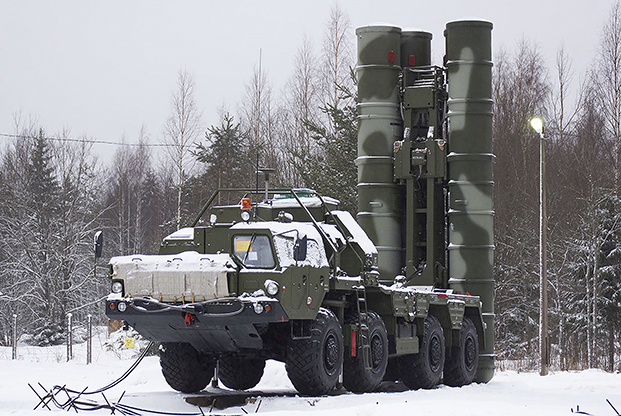
Qatar’s cooperation with the United States provides access to cutting-edge missile defense systems and counter-drone technologies, helping mitigate these evolving threats.
Energy Infrastructure Remains a Key Target
Qatar is one of the world’s leading exporters of liquefied natural gas (LNG), making its energy infrastructure a high-value target in regional conflicts.
Recent developments have shown that attacks on energy facilities can disrupt global markets and create widespread economic instability. This risk is a central concern in any Iran regional threat analysis.
Protecting these assets is a top priority for Qatar, and its partnership with the United States plays a critical role in ensuring the security of energy production and export operations.
Strategic Deterrence Through Military Presence
The presence of U.S. forces in Qatar creates a powerful deterrent effect.
Potential adversaries must consider the broader consequences of any attack, including the possibility of a coordinated international response. This significantly reduces the likelihood of large-scale aggression.
Defense analysts argue that this deterrence has been a key factor in preventing direct attacks on Qatar, even as other nations in the region have faced increased threats.
Diplomatic Balance Amid Rising Tensions
Despite its strong alliance with the United States, Qatar continues to maintain diplomatic relations with a range of regional actors, including Iran.
This balanced approach allows Qatar to:
- Serve as a mediator in regional conflicts
- Maintain economic ties across different alliances
- Reduce the risk of escalation through dialogue
However, this strategy requires careful navigation, particularly as tensions between global and regional powers continue to rise.
Global Impact of Regional Instability
The implications of the Iran regional threat analysis extend far beyond the Middle East.
Ongoing tensions have already affected:
- Global energy prices
- International shipping routes
- Financial market stability
The Strait of Hormuz, a critical passage for global oil shipments, remains a focal point of concern. Any disruption in this area could have far-reaching economic consequences.
Future Outlook: Strengthening Security Alliances
Looking ahead, Qatar is expected to further strengthen its partnership with the United States.
Key areas of focus include:
- Advanced missile defense systems
- Cybersecurity enhancements
- Expanded intelligence-sharing agreements
- Protection of critical infrastructure
These initiatives aim to address both current and emerging threats identified in ongoing Iran regional threat analysis.

Key Takeaways for High CTR
The Iran regional threat analysis underscores the importance of strong alliances in maintaining stability in an increasingly volatile region.
Key Points:
- Qatar credits its US partnership for protecting it from attacks.
- Iran’s evolving military tactics have increased regional risks.
- Energy infrastructure remains a critical vulnerability.
- U.S. military presence provides strong deterrence.
- The conflict has significant global economic implications.
As tensions continue to escalate, Qatar’s reliance on its strategic partnership with the United States is expected to remain a defining factor in its national security strategy and regional stability.