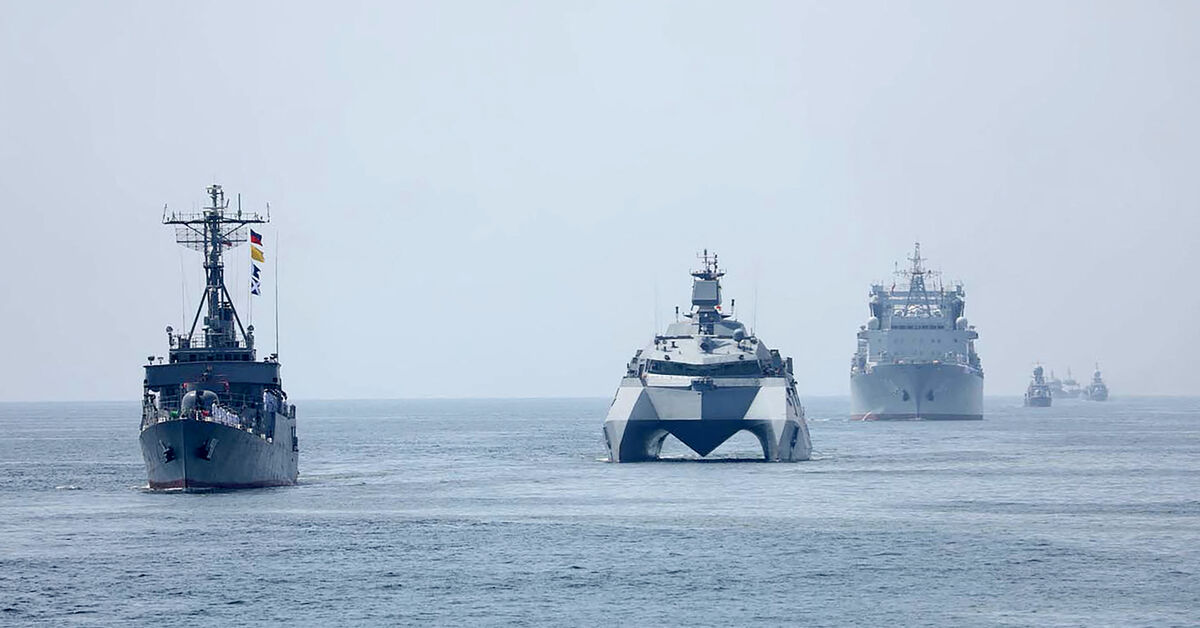
Washington, D.C., April 1, 2026 (Parliament Politics Magazine) Iran nuclear tensions are escalating rapidly after a senior U.S. counterterrorism official resigned in protest of the ongoing war, while former President Donald Trump claimed he is communicating with the president of Iran’s new regime.
The developments have intensified global concern, with analysts warning that shifting leadership dynamics and mixed diplomatic signals could further destabilize an already volatile region.
High-Profile Resignation Signals Internal Division
The resignation of former National Counterterrorism Center Director Joe Kent has become one of the most significant internal challenges to U.S. policy in recent months. Kent stepped down, stating he could not support the war effort, arguing that Iran did not pose an imminent threat to the United States.
His departure highlights growing disagreements within U.S. national security leadership over the justification and long-term strategy behind the conflict.
“I cannot in good conscience support the ongoing war,”
Kent said in his resignation message, reflecting deep concern within the administration.
The resignation has amplified concerns about policy cohesion at a time when Iran nuclear tensions remain at the forefront of global security discussions.
Trump Claims Direct Talks With Iranian Leadership
Former President Donald Trump has further complicated the situation by publicly stating that he is in contact with leaders of Iran’s emerging regime. While the claim remains unverified, it aligns with reports that indirect negotiations may be occurring through intermediaries.
“We’re talking to people at the highest levels,”
Trump said, suggesting backchannel discussions could influence the outcome of the conflict.
However, Iranian officials have denied direct negotiations, adding to the uncertainty surrounding diplomatic efforts and increasing skepticism among international observers.
War Objectives Centered on Nuclear Capabilities
At the heart of the conflict are concerns over Iran’s nuclear ambitions. Trump has repeatedly emphasized that U.S. military actions are aimed at preventing Iran from acquiring nuclear weapons.
Recent statements indicate that U.S. operations have focused on dismantling Iran’s military and nuclear infrastructure, with officials claiming significant progress toward that objective.
“The mission is to ensure Iran never becomes a nuclear power,”
a senior official stated, underscoring the central role of Iran nuclear tensions in shaping policy decisions.
Emerging Iranian Leadership Adds Uncertainty
Iran’s political environment appears to be shifting, with reports suggesting changes in leadership structures following sustained military pressure. Analysts warn that this transition period increases unpredictability and raises the risk of miscommunication or escalation.
Historically, periods of political transition in Iran have created both opportunities for diplomacy and heightened risks of confrontation. In the current context, the lack of clarity surrounding leadership intentions is contributing directly to rising Iran nuclear tensions.
Global Reactions and Market Impact
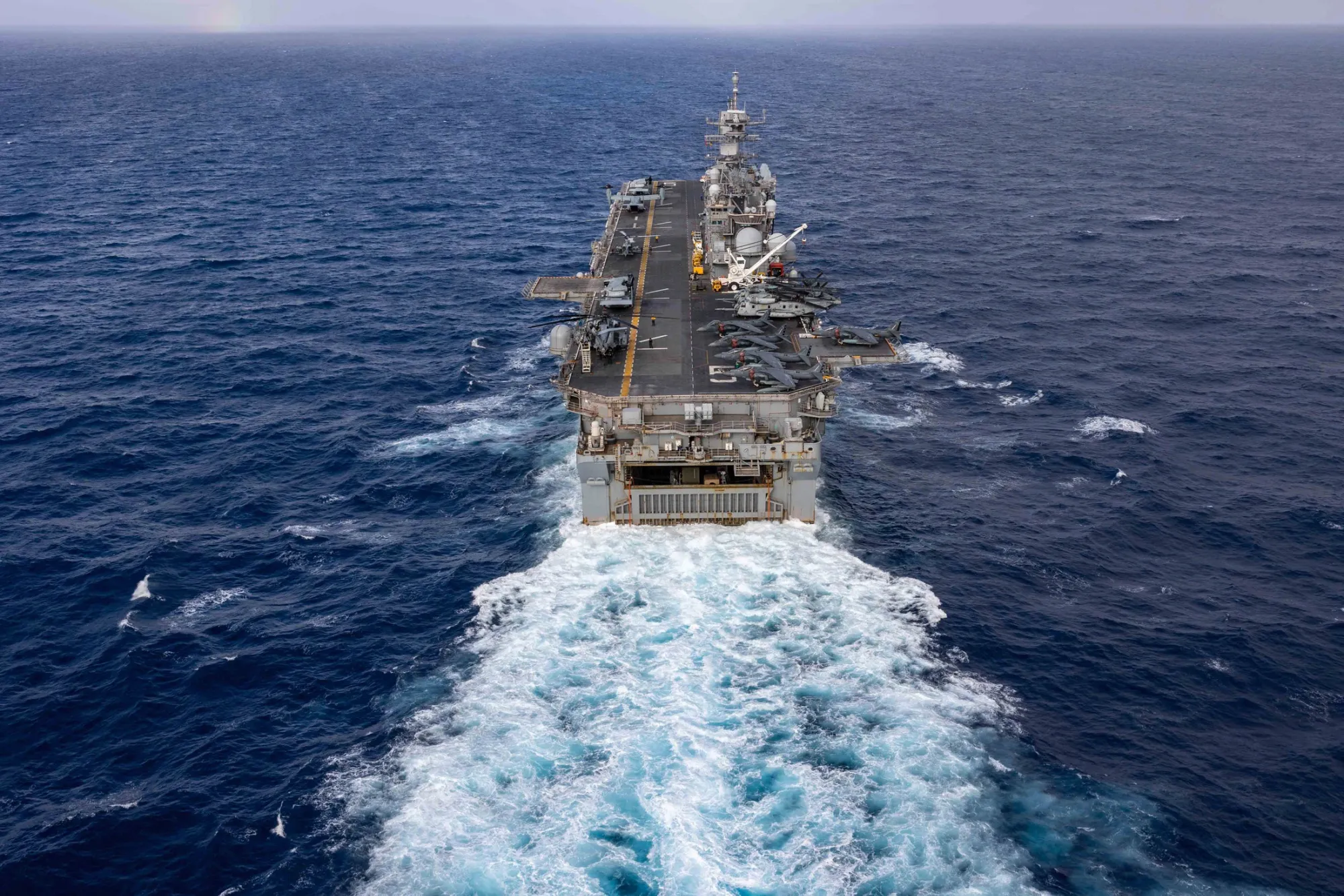
The international community is closely monitoring the situation, with governments urging caution while preparing for potential escalation.
Recent developments have already impacted global markets. Oil prices have fluctuated amid concerns about disruptions in the Persian Gulf, while stock markets have reacted to signals that the conflict could either escalate or wind down.
European leaders have called for renewed diplomatic engagement, emphasizing the need to prevent further destabilization.
“This is a moment that requires careful diplomacy, not miscalculation,”
a European official stated.
Conflicting Signals From U.S. Leadership
One of the most concerning aspects of the current situation is the mixed messaging coming from U.S. leadership.
While Trump has suggested that talks are underway, he has also indicated that military operations could continue until Iran’s capabilities are fully neutralized.
At the same time, internal disagreements—such as those highlighted by Kent’s resignation—suggest that consensus on strategy remains elusive.
This lack of clarity is contributing to heightened Iran nuclear tensions, as both allies and adversaries attempt to interpret U.S. intentions.
Strategic Risks and Potential Flashpoints
Security analysts have identified several potential flashpoints that could escalate the situation further:
- Increased military activity in the Persian Gulf
- Cyber operations targeting critical infrastructure
- Proxy conflicts involving regional actors
- Disruptions to global energy supply routes
Each of these risks is directly tied to ongoing Iran nuclear tensions, which remain the central driver of the conflict.
Diplomacy vs Escalation: A Critical Crossroads
The current situation presents a critical decision point for policymakers: pursue diplomacy or continue military pressure.
Supporters of engagement argue that even informal communication channels could reduce tensions and create opportunities for negotiation. Critics, however, warn that unclear or unofficial discussions may undermine coordinated international efforts.
“Diplomacy must be structured and credible, or it risks failing before it begins,”
said a former U.S. diplomat.
What Happens Next?
Several key developments will determine the trajectory of the conflict:
- Verification of Trump’s claims about talks with Iranian leadership
- Appointment of a new counterterrorism chief
- Signals from Iran’s new regime regarding nuclear policy
- Changes in U.S. military strategy
These factors will play a crucial role in shaping the future of Iran nuclear tensions and broader regional stability.
Rising Iran Nuclear Tensions Signal Uncertain Future
The resignation of a top counterterrorism official and Trump’s claims of communication with Iran’s new leadership highlight a moment of significant uncertainty in global affairs.
With Iran nuclear tensions continuing to escalate, the balance between diplomacy and conflict remains fragile. The coming weeks will be critical in determining whether the situation moves toward de-escalation or deeper confrontation.