

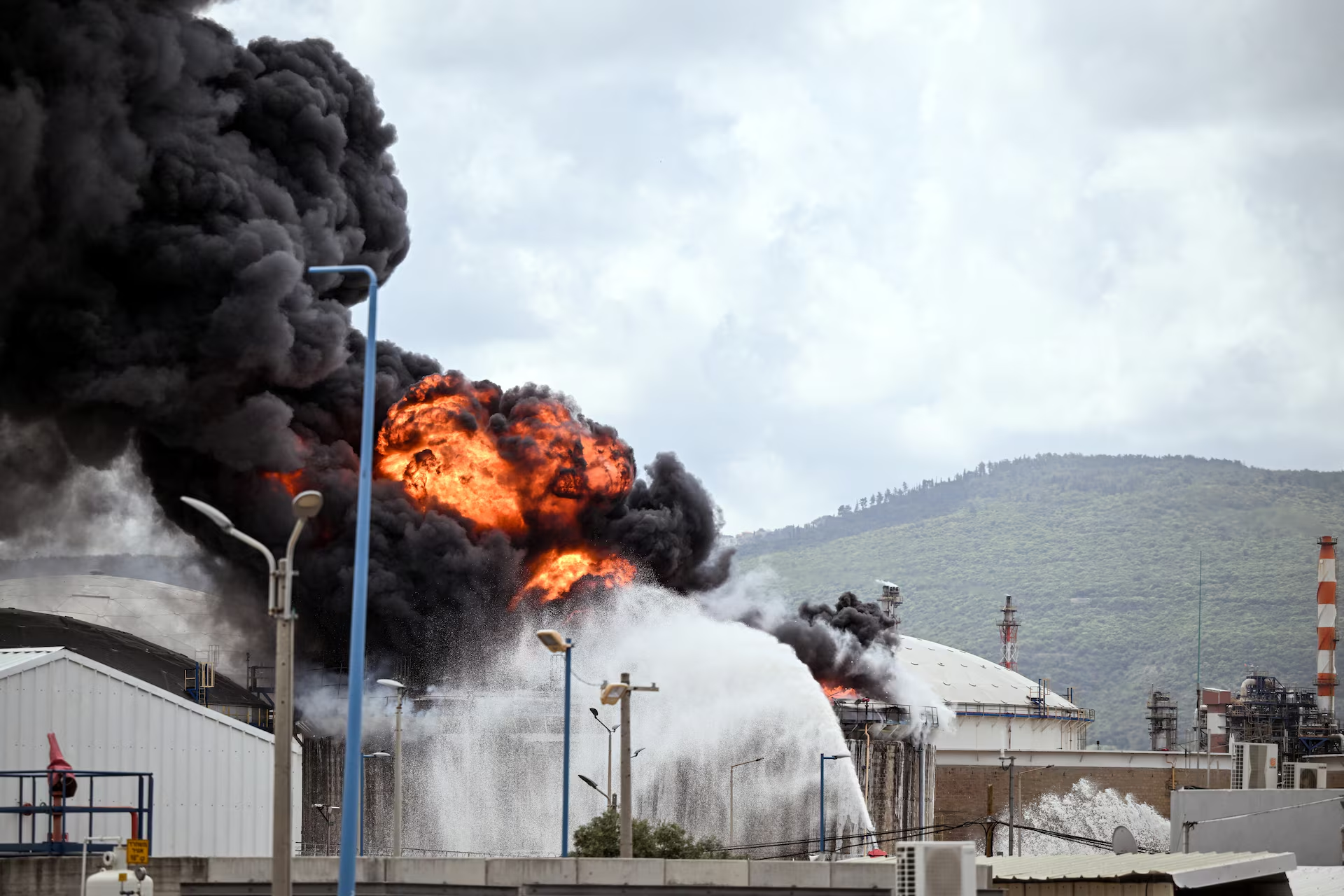
Gulf Region, April 2, 2026 (Parliament Politics Magazine) Gulf oil facility attacks have intensified geopolitical tensions after Iran’s Islamic Revolutionary Guard Corps (IRGC) confirmed a series of targeted strikes, calling them a “warning” amid escalating confrontation tied to the ongoing U.S.-Iran conflict.
The announcement has triggered immediate concern across global energy markets and security circles, as the Gulf remains one of the most critical regions for oil production and supply.
Iran Frames Attacks as Strategic Warning
Iranian officials described the Gulf oil facility attacks as deliberate and calculated, emphasizing that the strikes were intended to send a clear geopolitical message rather than cause widespread destruction.
According to IRGC statements, the selected targets were chosen due to their economic and symbolic significance in global energy infrastructure.
A senior IRGC official stated:
“These operations are a warning to those escalating aggression. Our response can expand if necessary.”
This statement has gained traction across international media, reinforcing concerns about a potential escalation beyond limited strikes.
Rising Tensions Linked to US-Iran Conflict
The Gulf oil facility attacks are widely seen as part of a broader response to increasing tensions between Iran and the United States.
Recent developments contributing to the escalation include:
- Expanded military presence in key waterways
- Ongoing economic sanctions targeting Iran’s energy sector
- Heightened political rhetoric between both sides
While no direct trigger has been officially confirmed, analysts suggest the attacks represent a strategic signal aimed at both regional and global audiences.
Energy Infrastructure Becomes a Key Target
The Gulf oil facility attacks highlight the vulnerability of critical energy infrastructure in times of geopolitical tension.
Experts note that such facilities are highly sensitive targets because they:
- Support a significant portion of global oil supply
- Influence international energy prices
- Serve as strategic assets in regional power dynamics
Even limited damage or perceived risk can lead to widespread economic consequences, making these attacks particularly impactful.
Regional Security Measures Intensify
In response to the Gulf oil facility attacks, several Gulf nations have increased security around key infrastructure and strategic assets.
Authorities are reportedly:
- Enhancing surveillance systems
- Deploying additional military resources
- Coordinating with international allies for intelligence sharing
A regional security analyst commented:
“The goal of these attacks is not just disruption, but psychological pressure. It tests how quickly and effectively nations can respond.”
This reaction underscores the broader implications of the strikes beyond immediate physical damage.
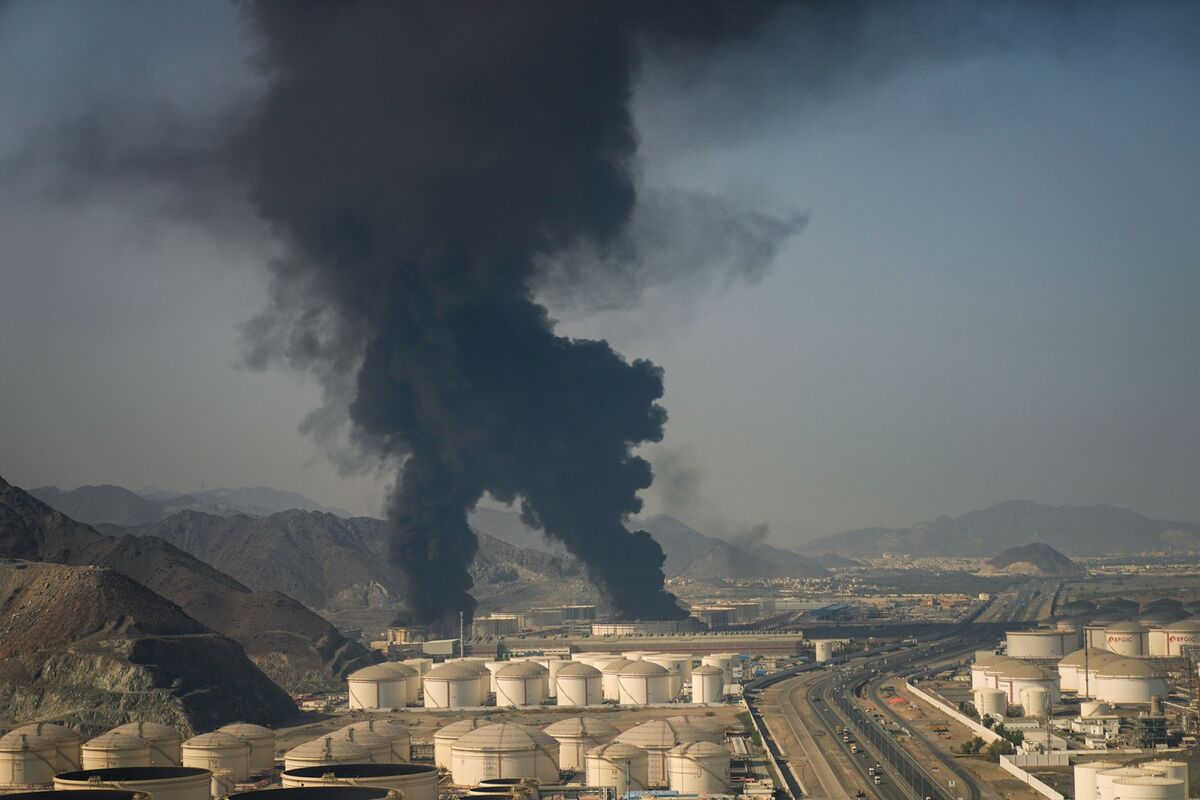
Global Markets React to Uncertainty
Financial markets responded quickly following reports of Gulf oil facility attacks, with oil prices experiencing volatility as traders assessed potential risks.
Key concerns driving market reactions include:
- Possible disruptions to oil supply chains
- Increased shipping risks in strategic routes
- Rising insurance costs for energy transport
While no major supply interruptions have been confirmed, the uncertainty alone has influenced global trading patterns.
Military Experts Warn of Escalation Risk
Defense analysts suggest that the Gulf oil facility attacks may signal the beginning of a more aggressive phase in regional tensions.
Potential risks include:
- Increased frequency of targeted strikes
- Expansion into additional geographic areas
- Involvement of other regional or global powers
The attacks are being viewed as both a warning and a test of international response capabilities.
Diplomatic Efforts Face New Challenges
Efforts to de-escalate tensions through diplomatic channels are ongoing, but the Gulf oil facility attacks have added complexity to negotiations.
International organizations have urged restraint, warning that continued escalation could have far-reaching consequences.
However, the tone of Iran’s messaging suggests that strategic signaling may currently take precedence over immediate diplomatic compromise.
Global Energy Security at Risk
The Gulf’s central role in global energy supply means that any instability carries significant implications.
The Gulf oil facility attacks highlight risks such as:
- Fluctuations in global fuel prices
- Disruptions to supply chains
- Economic uncertainty in energy-dependent regions
These factors contribute to growing concern among policymakers and industry leaders worldwide.
Media Coverage and Public Reaction Grow
Global media coverage of the Gulf oil facility attacks has intensified, with widespread attention focused on potential next steps.
Public reactions vary, with some viewing the strikes as defensive measures and others interpreting them as a dangerous escalation.
This divide reflects the broader complexity of the situation and the challenges in shaping a unified international response.
What Happens Next?
The situation remains fluid, with several key developments to watch:
- Further military actions or retaliatory strikes
- Diplomatic responses from global powers
- Continued market volatility
- Statements from regional governments
The Gulf oil facility attacks have introduced a new level of uncertainty, making the coming days critical for determining the trajectory of the conflict.
Gulf Oil Facility Attacks Mark Critical Turning Point
The Gulf oil facility attacks represent a significant escalation in regional tensions, combining military signaling with economic impact. By targeting key energy infrastructure, Iran has demonstrated its ability to influence both geopolitical dynamics and global markets.
While the physical damage may be limited, the strategic message is clear — and the potential consequences are far-reaching. Governments, investors, and security experts are now closely monitoring the situation as the risk of broader conflict continues to grow.
