

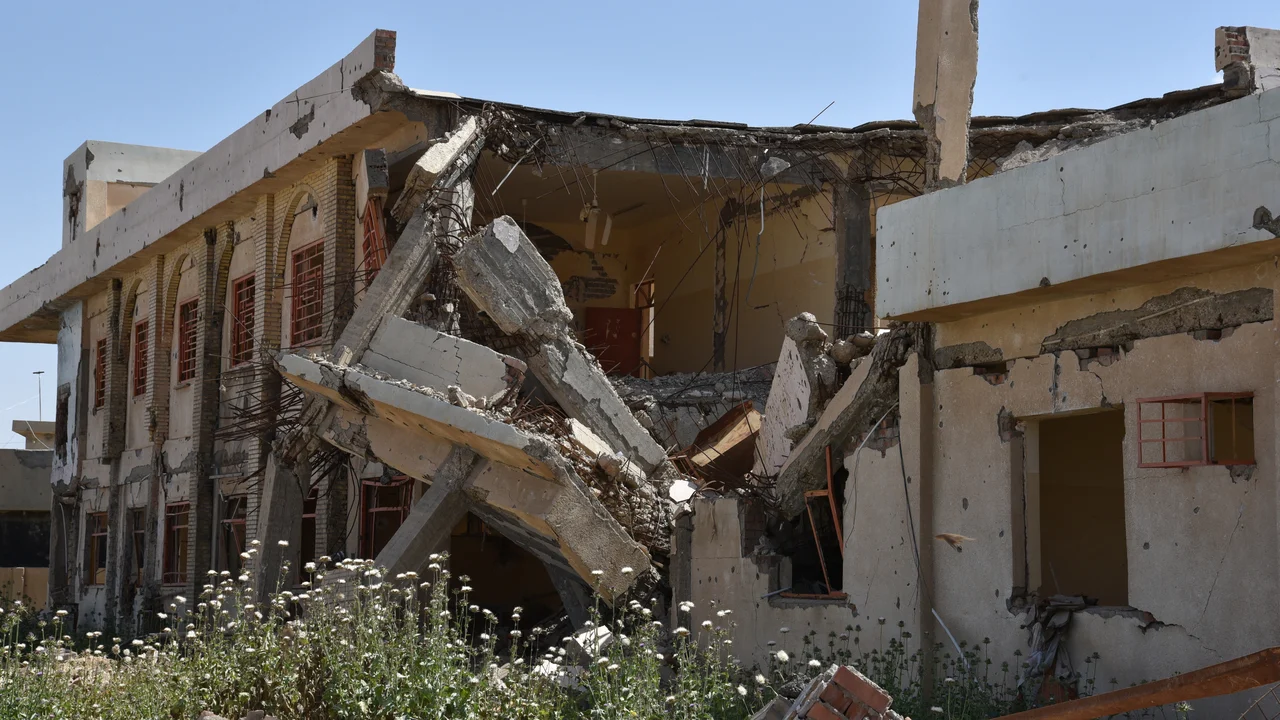
Washington, D.C. / Tehran, April 03, 2026 (Parliament Politics Magazine) US Iran conflict law analysis is becoming a central issue in global policy discussions as legal experts warn that recent military actions may challenge long-standing international legal standards. Concerns are mounting following reports of strikes and threats targeting infrastructure that could be considered civilian in nature.
The growing debate reflects a broader question: whether the current conflict is reshaping how international law is interpreted—or ignored—in modern warfare.
Legal Experts Raise Serious Concerns
Recent US Iran conflict law analysis has drawn attention after more than 100 legal scholars and international law experts warned that certain military actions could potentially constitute violations of humanitarian law.
These concerns focus on:
- Alleged strikes affecting civilian infrastructure
- Public statements suggesting expanded targeting strategies
- Limited transparency surrounding military decision-making
Experts argue that such developments could weaken global legal norms designed to protect civilians during armed conflict.
A legal analyst stated:
“US Iran conflict law analysis highlights a dangerous moment where the rules of war may be tested in ways that redefine accountability.”
Civilian Infrastructure at the Center of Debate
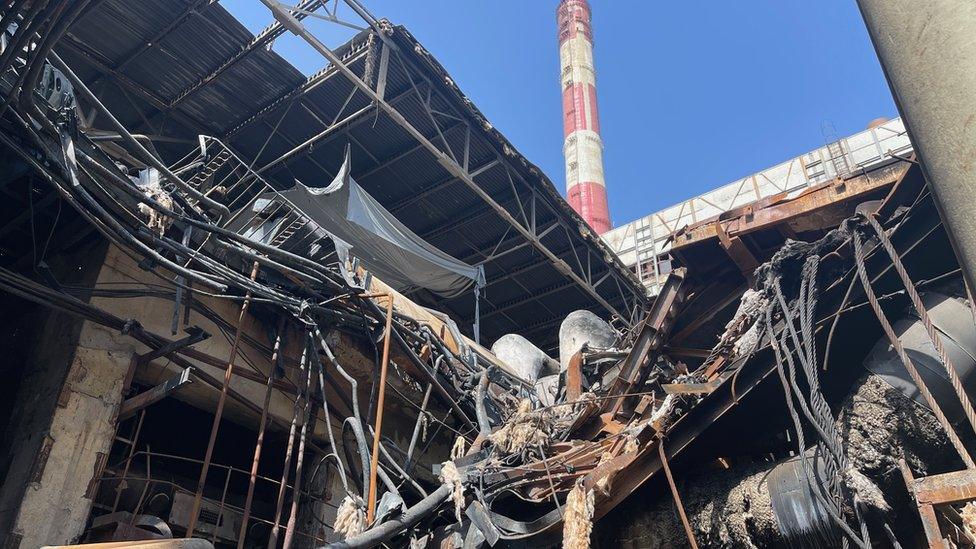
The US Iran conflict law analysis is heavily focused on whether infrastructure such as bridges, power plants, and water facilities can be legally targeted. Reports indicate that threats have been made against key infrastructure sites, raising alarm among international observers.
Under international humanitarian law:
- Civilian objects are protected unless used for military purposes
- Attacks must meet strict proportionality standards
- Essential services like water and electricity are given heightened protection
Legal experts emphasize that even dual-use infrastructure must pass a strict legal test before being considered a valid military target.
Escalation and the Risk of Legal Precedent
The ongoing US Iran conflict law analysis suggests that current actions could set a precedent for future conflicts. Analysts warn that if such actions go unchallenged, they may normalize broader targeting strategies.
Recent developments include:
- Threats to expand strikes to energy and transport infrastructure
- Reports of civilian casualties linked to ongoing operations
- Increased scrutiny from global organizations and governments
Human rights groups have warned that repeated incidents without accountability could contribute to a “culture of impunity” in conflict zones.
Global Reaction and Diplomatic Pressure
The US Iran conflict law analysis has triggered strong reactions from international leaders and organizations. The G7 has already called for an immediate halt to attacks on civilians and infrastructure, emphasizing the need to uphold international law.
Global responses include:
- Calls for independent investigations
- Diplomatic pressure to de-escalate
- Public statements reinforcing humanitarian protections
These reactions highlight growing concern that the conflict could destabilize not only the region but also international legal frameworks.
Humanitarian Impact and Civilian Risk
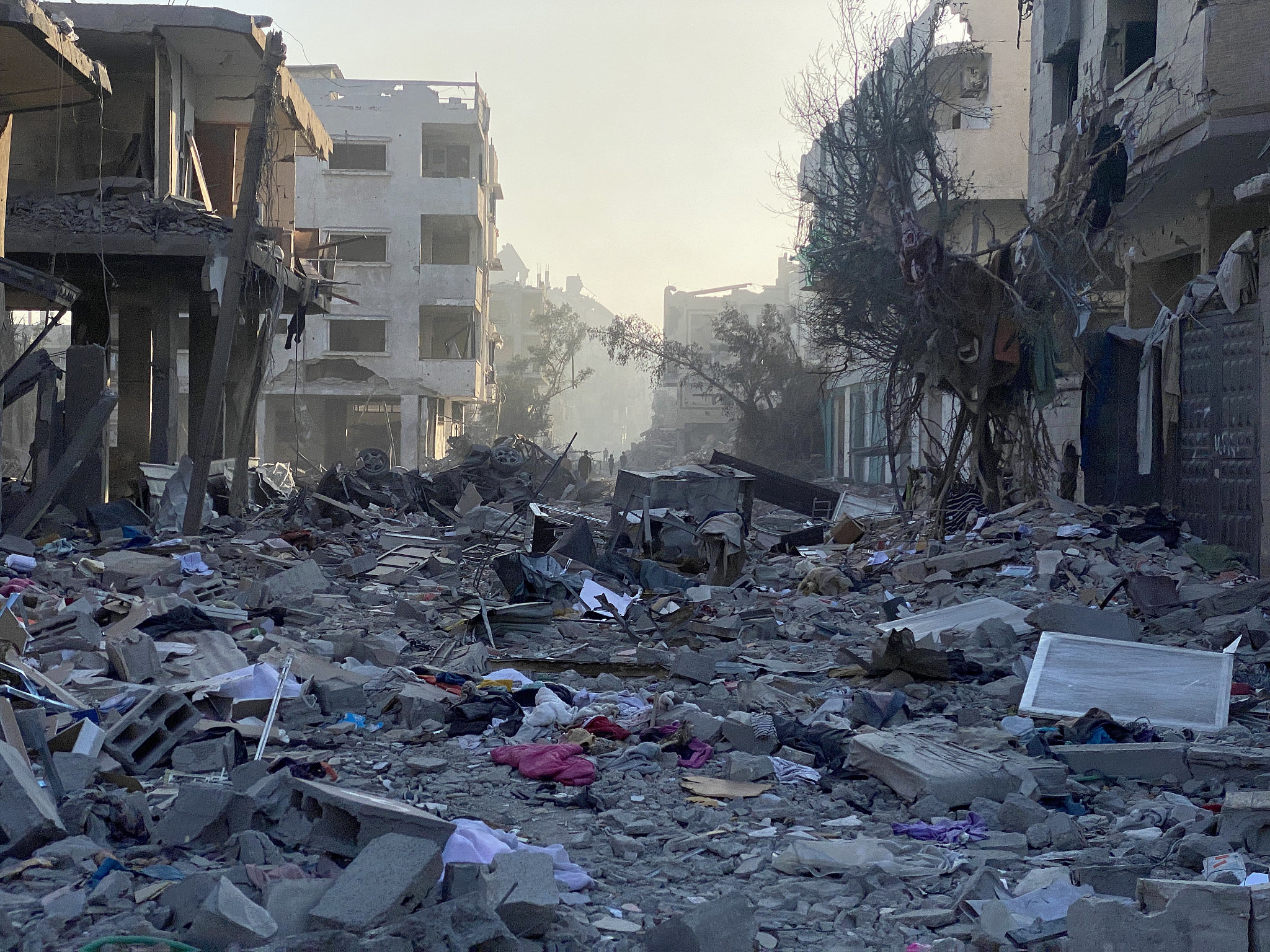
The humanitarian dimension of the US Iran conflict law analysis cannot be ignored. Reports indicate that thousands of civilians have been affected by the ongoing conflict, with infrastructure damage compounding the crisis.
Key concerns include:
- Disruption of essential services like water and electricity
- Increased displacement of civilians
- Limited access to medical care and emergency resources
Experts warn that attacks on infrastructure can have cascading effects, impacting entire populations beyond immediate targets.
Information Warfare and Public Perception
The US Iran conflict law analysis is also shaped by how information is presented and consumed. In modern conflicts, narratives play a critical role in influencing public opinion and policy decisions.
Analysts note:
- Governments may frame actions differently for strategic reasons
- Media coverage can amplify legal concerns
- Public perception can drive international response
This environment makes accurate, fact-based reporting essential.
Economic and Global Stability Concerns
The broader implications of the US Iran conflict law analysis extend into global markets. The conflict has already contributed to rising oil prices and economic uncertainty.
Potential impacts include:
- Disruptions to global energy supply
- Increased volatility in financial markets
- Pressure on international trade routes
The Strait of Hormuz, a critical shipping lane, remains a focal point for global economic stability.
Expert Insight on Legal Accountability
Legal scholars continue to debate whether current mechanisms are sufficient to enforce accountability. The US Iran conflict law analysis raises fundamental questions about enforcement in cases involving major powers.
Another expert noted:
“The challenge is not just identifying violations, but ensuring there are credible systems in place to enforce the law consistently.”
What This Means for Future Conflicts
The US Iran conflict law analysis could shape how future conflicts are conducted and judged. If legal standards are weakened, it may lead to broader consequences for global security.
Key considerations moving forward:
- Strengthening international oversight mechanisms
- Enhancing transparency in military operations
- Reinforcing protections for civilian populations
- Maintaining credibility of global legal institutions
US Iran Conflict Law Analysis: What This Means Next
US Iran conflict law analysis is emerging as one of the most critical global debates in 2026, as legal experts warn that actions targeting infrastructure could challenge international law. With rising tensions, humanitarian concerns, and global reactions intensifying, the situation underscores the importance of accountability in modern warfare.
As the conflict evolves, the world is watching closely to see whether legal standards will be upheld—or redefined—in one of the most consequential geopolitical crises of the year.
