

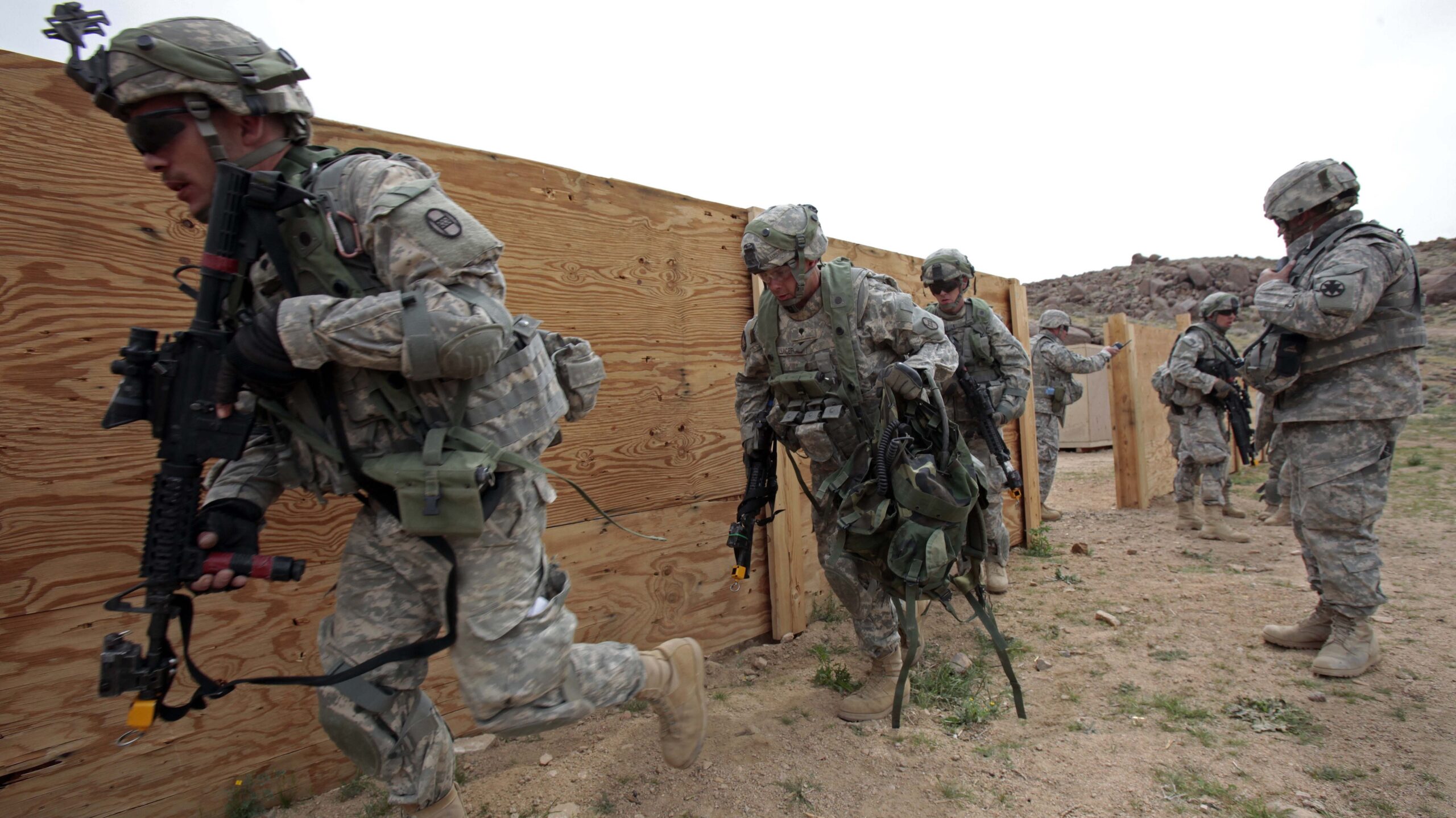
Washington, April 03, 2026 (Parliament Politics Magazine) A Defining Moment in Policy DirectionUnited States defense strategy is undergoing a significant shift as Donald Trump proposes a $1.5 trillion increase in military spending. The move comes amid heightened tensions involving Iran and signals a potential redefinition of America’s global security posture.
Officials familiar with the proposal describe it as a proactive step toward strengthening national defense capabilities. However, critics warn that the scale of the plan could intensify geopolitical friction rather than reduce it.
A senior policy advisor commented,
“This proposal reflects urgency, but it also introduces new risks that must be carefully evaluated.”
Inside the $1.5 Trillion Proposal
The proposed expansion of the United States defense strategy includes substantial investments across multiple areas. These include modernization of military systems, enhanced cybersecurity measures, increased troop readiness, and development of next-generation defense technologies.
Supporters argue that evolving global threats demand a comprehensive response, particularly as tensions in key regions continue to rise. They believe that maintaining a strong defense posture is essential for both deterrence and stability.
At the same time, analysts point out that the financial scale of the proposal places it among the most ambitious defense initiatives in recent history.
United States Defense Strategy and Iran Tensions
The evolving United States defense strategy is closely tied to ongoing tensions involving Iran. Recent developments have heightened concerns about potential conflict scenarios and regional instability.
Military experts note that increased investment in defense capabilities is often a response to perceived threats. However, they also caution that such actions can contribute to escalation if not paired with diplomatic efforts.
One analyst explained,
“Defense strategy is not just about capability—it’s about signaling intent. How that signal is interpreted matters greatly.”
Global Reactions Reflect Concern and Support
The proposed shift in the United States defense strategy has drawn mixed reactions from the international community. Some allied nations have expressed support, viewing the move as a reinforcement of collective security frameworks.
Others have raised concerns about the potential for an arms race, emphasizing the need for diplomatic solutions to complex geopolitical challenges.
Observers highlight that decisions related to defense strategy often have far-reaching implications, influencing not only military dynamics but also economic and political relationships worldwide.
Economic Impact of Expanding Defense Spending
A $1.5 trillion increase in defense spending carries significant economic implications. While such investments can stimulate industries related to defense and technology, they also require substantial financial resources.
Economists warn that allocating funds on this scale may necessitate trade-offs in other areas, potentially affecting domestic programs and long-term fiscal stability.
Proponents, however, argue that a robust United States defense strategy is essential for protecting economic interests and ensuring global stability.
Political Debate Intensifies
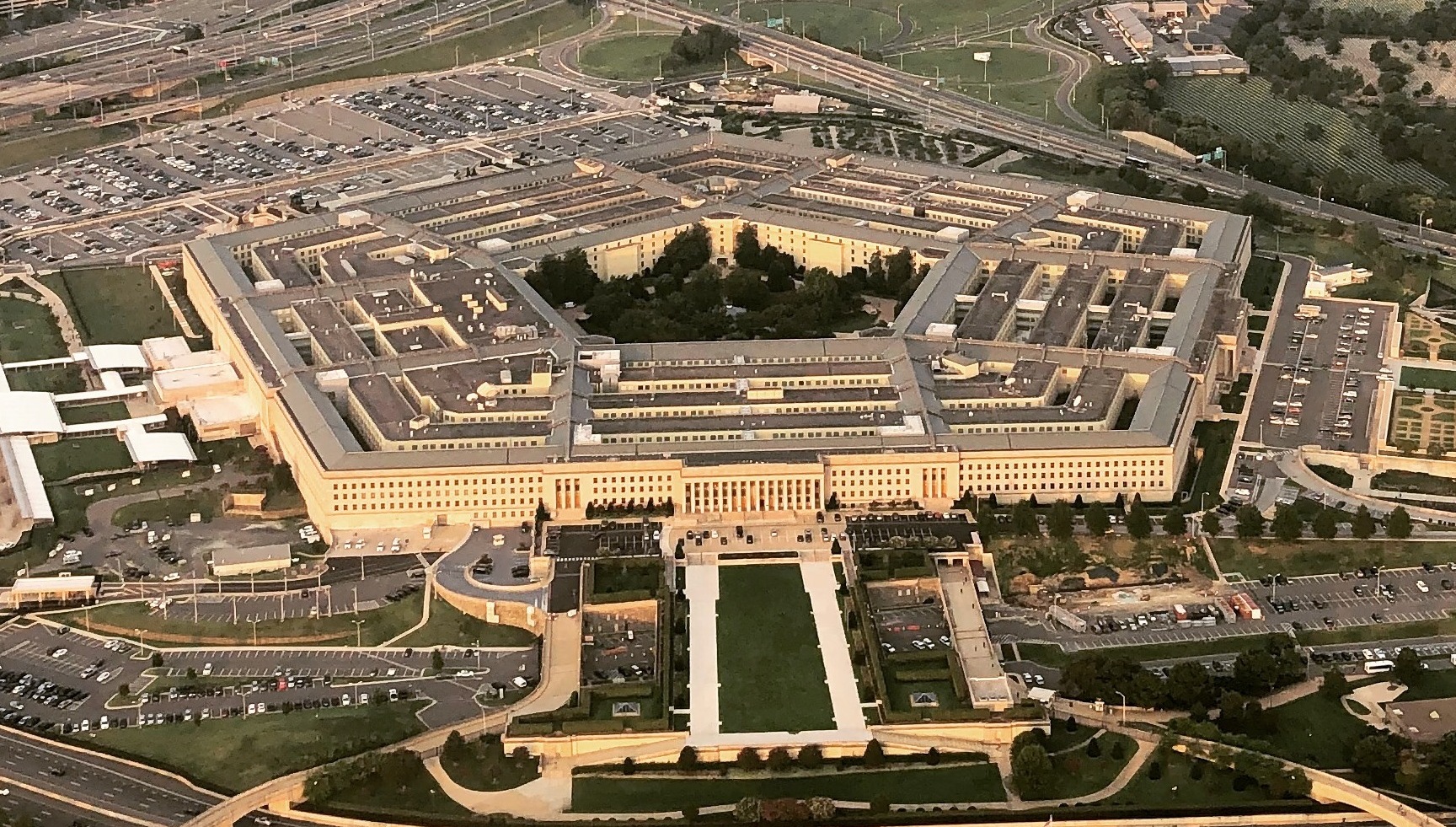
The proposal has sparked considerable debate within Washington. Lawmakers are divided over whether the increase aligns with national priorities and fiscal responsibility.
Supporters emphasize the importance of readiness in an unpredictable global environment, while critics question whether the scale of spending is justified.
A congressional figure stated,
“We must ensure that our defense strategy is both effective and sustainable.”
Regional Implications in the Middle East
The United States defense strategy plays a critical role in shaping dynamics within the Middle East. Increased military investment could influence alliances, deterrence strategies, and regional stability.
Some analysts believe that a stronger defense posture may discourage aggressive actions, while others warn that it could lead to heightened tensions.
The situation underscores the complexity of balancing strength with diplomacy in a region marked by longstanding challenges.
Expert Perspectives on Strategic Direction
Experts across defense, economics, and international relations are closely analyzing the proposed changes. While opinions vary, there is broad agreement that the decisions made now will have lasting consequences.
One expert noted,
“This is a pivotal moment for the United States defense strategy. The choices made today will shape global security for years to come.”
Another added, “The challenge lies in achieving security without fueling instability.”
What Comes Next for U.S. Policy
As discussions continue, attention will focus on how the proposal progresses through political and legislative processes. The outcome will likely define the trajectory of U.S. defense policy in the near future.
The United States defense strategy remains at the center of global attention, with implications that extend far beyond national borders.
The coming weeks are expected to bring further developments, though uncertainty remains a defining characteristic of the current environment.
Key Takeaways and What Happens Next
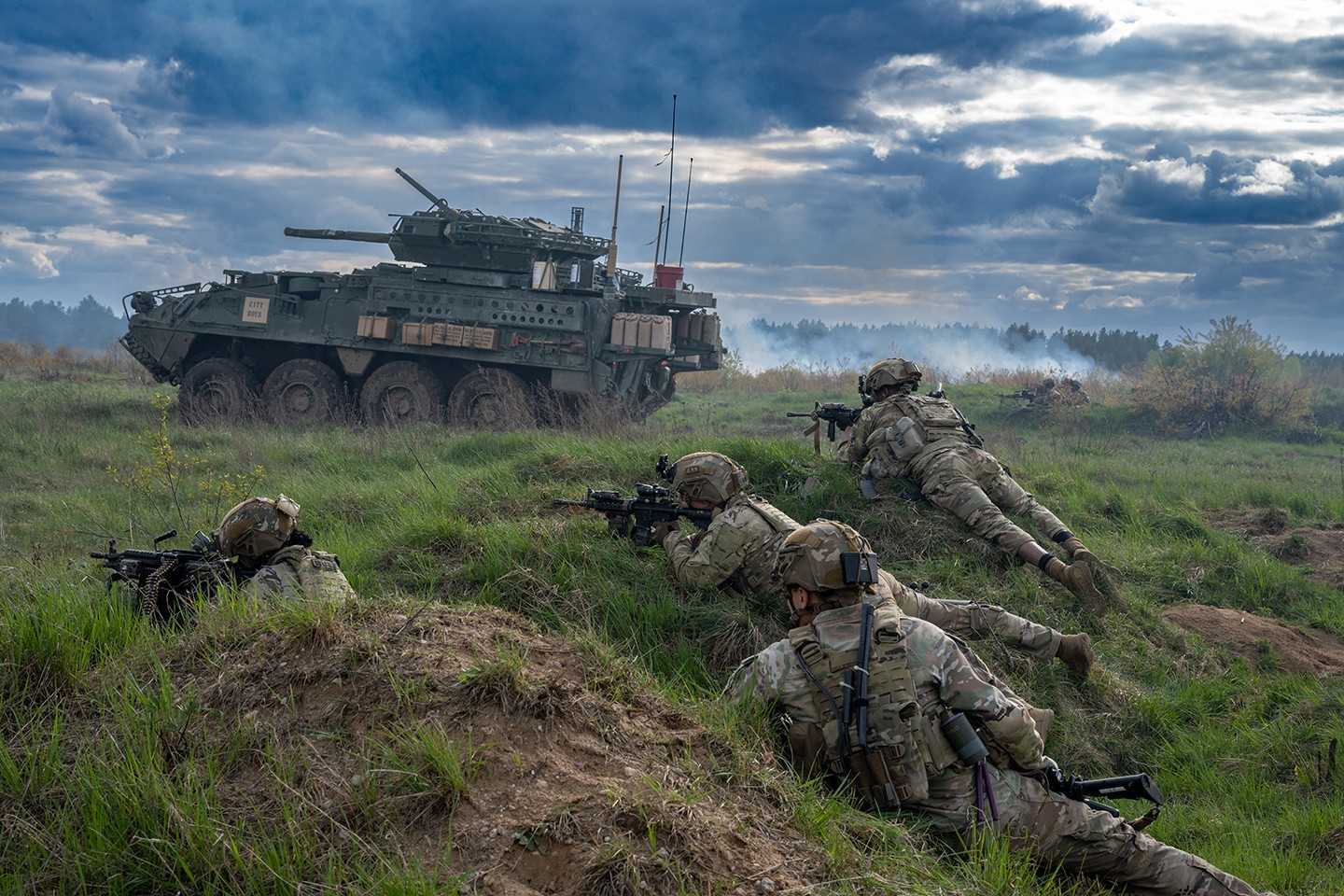
United States defense strategy shifts as Trump proposes a $1.5 trillion military boost.
The plan signals a major change in policy amid rising global tensions.
Debate continues over whether the move will strengthen security or escalate risks.
