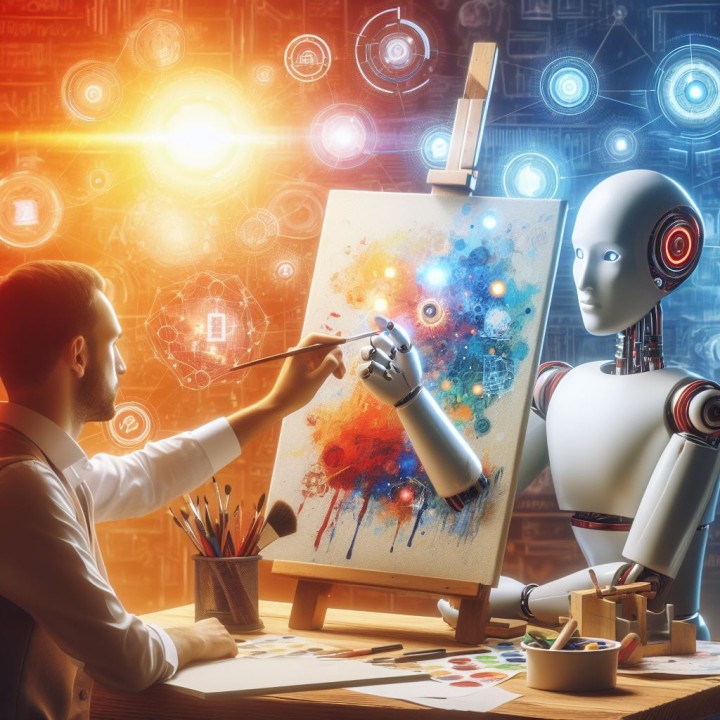
AI is rapidly transforming the global film industry, reshaping how movies are created and distributed.
Industry leaders warn of both innovation and disruption as automation accelerates.
Experts say the shift could redefine storytelling, jobs, and the future of cinema.
Los Angeles, Mumbai, April 04, 2026 (Parliament Politics Magazine) AI is rewiring film industry at an unprecedented pace, fundamentally altering how movies are written, produced, edited, and distributed across the world’s most prolific cinematic markets. From Hollywood studios to India’s Bollywood ecosystem, artificial intelligence is no longer a futuristic concept. It is now embedded in the core of filmmaking.
What once required large teams, months of production, and significant budgets can now be accelerated through AI-powered tools, raising both excitement and concern across the global entertainment sector.
The Rise of AI in Film Production
The integration of AI into filmmaking has rapidly evolved from experimental use to mainstream adoption. Studios are increasingly leveraging AI for scriptwriting assistance, visual effects generation, and even casting simulations.
AI-driven tools can now analyze audience preferences, predict box office performance, and optimize storytelling elements. This data-driven approach is reshaping creative decisions, often blending artistic intuition with algorithmic precision.
A senior production executive recently noted:
“AI is not just a tool anymore. It’s becoming a co-creator in filmmaking.”
This transformation is especially evident in high-volume industries like Bollywood, where efficiency and speed are critical to maintaining output levels.
Automation vs Creativity: A Growing Debate
As AI is rewiring film industry, one of the most pressing concerns is the balance between automation and human creativity. While AI can generate scripts, edit scenes, and even mimic human voices, critics argue that it risks diluting originality.
Filmmakers and writers have raised concerns about over-reliance on machine-generated content. They fear that storytelling could become formulaic, driven more by data trends than human emotion.
At the same time, supporters argue that AI enhances creativity by removing repetitive tasks, allowing artists to focus on innovation.
“AI can handle the mechanics, but storytelling still needs a human soul,”
said a veteran screenwriter.
Impact on Jobs Across the Industry
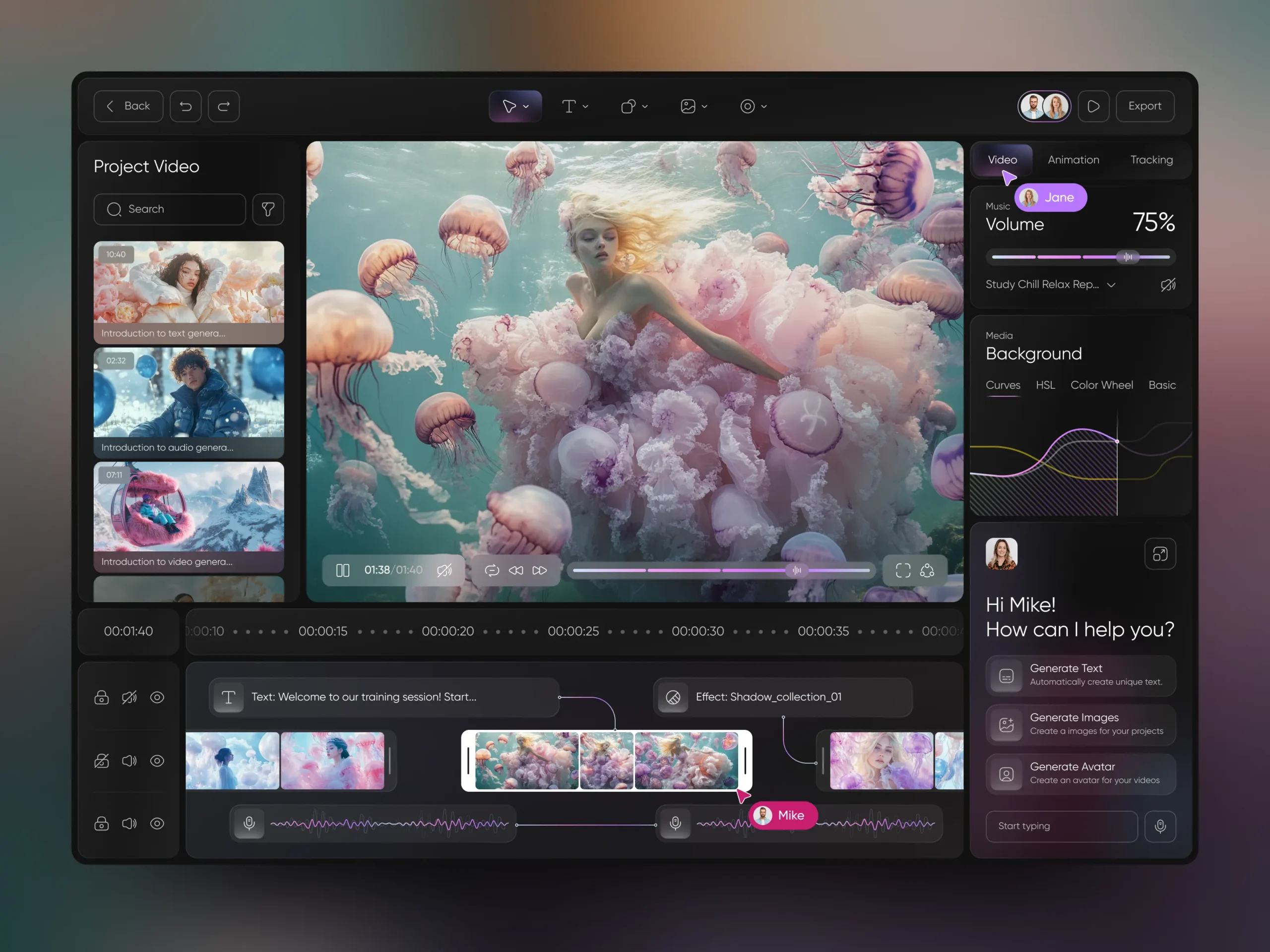
One of the most significant consequences of AI is rewiring film industry is its impact on employment. Roles traditionally handled by editors, visual effects artists, and even junior writers are increasingly being supplemented—or replaced—by AI systems.
Production timelines are shrinking, but so are opportunities for entry-level professionals. This shift is creating uncertainty among workers, particularly in regions heavily dependent on film production.
Industry analysts warn that while new tech-driven roles will emerge, the transition could leave many behind without proper retraining.
Cost Efficiency Driving Adoption
Studios are embracing AI primarily for its ability to reduce production costs. With AI-generated visuals and automated editing, filmmakers can produce high-quality content at a fraction of traditional expenses.
Independent filmmakers are also benefiting from this shift. What once required multi-million-dollar budgets can now be achieved with minimal resources, democratizing access to filmmaking.
This cost advantage is accelerating global competition, as smaller studios gain the ability to produce content that rivals major productions.
Global Film Markets Adapting Rapidly
The influence of AI is rewiring film industry is not limited to Hollywood. Emerging markets such as India, South Korea, and Nigeria are adopting AI tools to scale production and enhance storytelling.
Bollywood, in particular, is witnessing a surge in AI-assisted filmmaking. With one of the highest output rates globally, the industry is leveraging AI to streamline workflows and meet growing demand.
Meanwhile, streaming platforms are using AI to personalize content recommendations, further shaping audience engagement and viewing habits.
Ethical and Legal Challenges Emerging
As AI becomes more deeply embedded in filmmaking, ethical and legal questions are beginning to surface. Issues surrounding intellectual property, copyright, and deepfake technology are at the forefront of industry discussions.
Who owns a script generated by AI? Can an actor’s likeness be digitally recreated without consent? These questions remain largely unresolved.
Regulators and industry bodies are now working to establish guidelines that balance innovation with accountability.
The Future of Storytelling
The long-term implications of AI is rewiring film industry extend beyond production processes. AI is influencing the very nature of storytelling, enabling hyper-personalized narratives tailored to individual viewers.
Interactive films, adaptive scripts, and AI-generated characters could redefine how audiences experience cinema.
While some see this as the next evolution of entertainment, others worry it could erode the shared cultural experience that traditional films provide.
Industry Divided but Moving Forward
Despite the concerns, the momentum behind AI adoption shows no signs of slowing. Major studios, streaming platforms, and independent creators are all investing heavily in AI technologies.
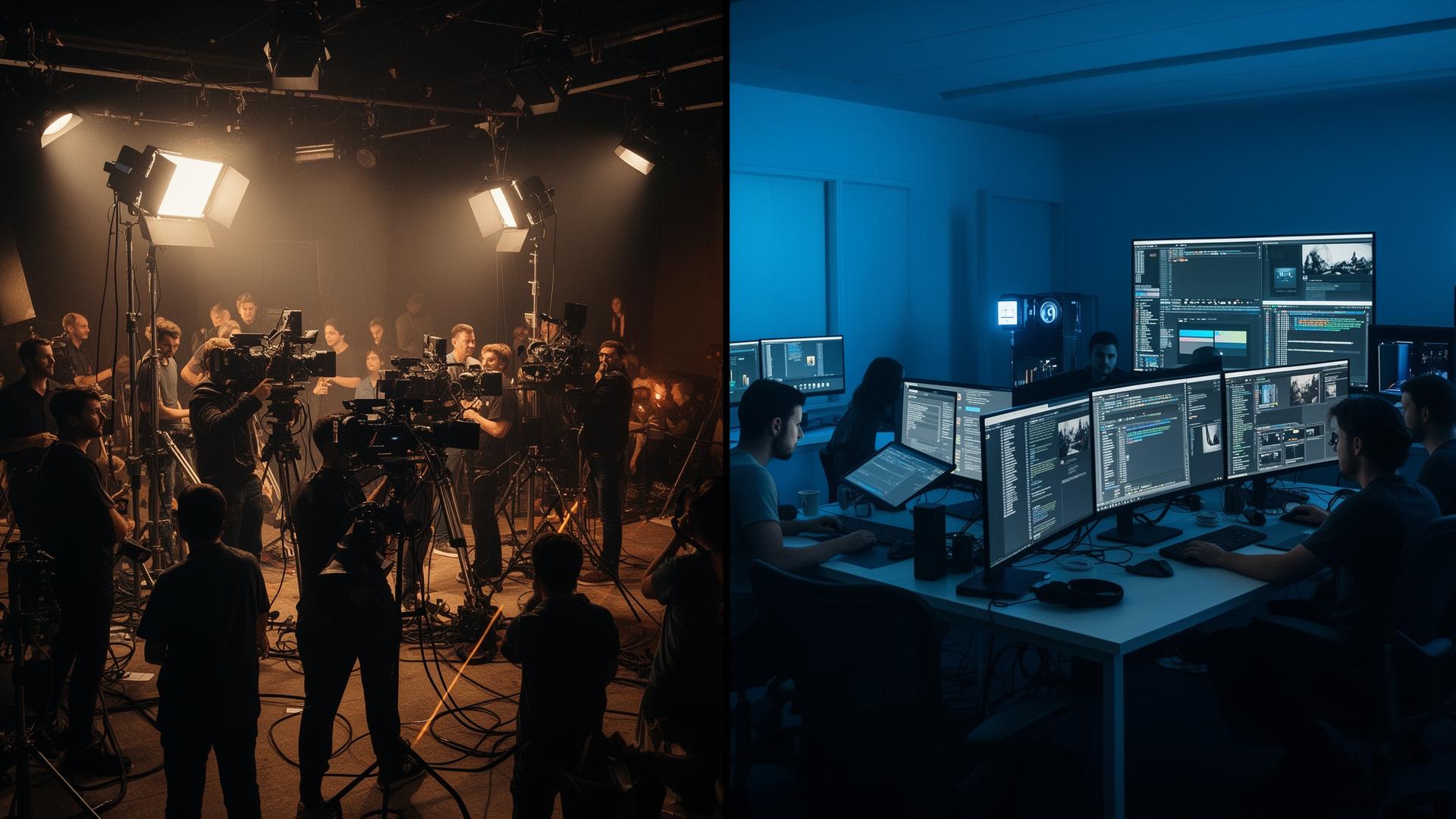
The industry appears divided, caught between embracing innovation and preserving artistic integrity.
Yet one thing is clear: the transformation is already underway.
What This Means for the Future
AI is rewiring film industry in ways that are both transformative and disruptive. It is accelerating production, reducing costs, and opening new creative possibilities, while simultaneously raising concerns about jobs, ethics, and originality.
The global film landscape is entering a new era—one defined by collaboration between human creativity and machine intelligence.
For audiences, this could mean more content, faster releases, and personalized experiences. For the industry, it represents both an opportunity and a challenge that will shape the future of cinema for decades to come.