

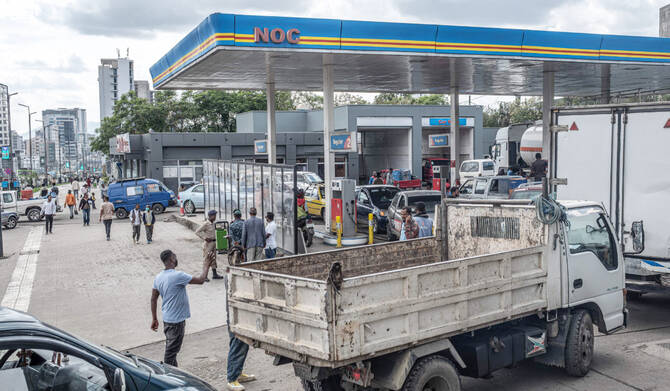
Islamabad, April 05, 2026 (Parliament Politics Magazine) Pakistan fuel shortage concerns are intensifying as policymakers turn toward transit-based solutions to stabilize energy supply and prevent widespread disruption. Officials indicate that shifting toward regional transit opportunities could help offset supply gaps and reduce immediate pressure on national reserves.
With global energy markets facing uncertainty and logistical challenges increasing, Pakistan’s response reflects a strategic pivot aimed at ensuring continuity in fuel availability.
What Is Driving the Pakistan Fuel Shortage
The Pakistan fuel shortage has been building due to multiple converging factors. Analysts point to rising import costs, currency fluctuations, and delays in shipments as key contributors.
Energy sector observers highlight that:
- Increased global oil prices have strained import budgets
- Supply chain disruptions have delayed deliveries
- Domestic demand continues to rise steadily
These elements have created a complex situation requiring urgent intervention.
A senior energy analyst noted:
“Pakistan fuel shortage pressures are mounting quickly. Without coordinated action, the impact could extend across multiple sectors.”
Transit Trade Emerges as a Key Solution
To address the Pakistan fuel shortage, authorities are exploring transit trade as a short-term solution. This involves leveraging regional corridors to facilitate the movement of fuel supplies more efficiently.
Key initiatives include:
- Expanding cross-border transit agreements
- Utilizing regional infrastructure networks
- Enhancing logistical coordination
Officials believe that these measures could provide immediate relief while long-term strategies are developed.
Regional Cooperation Opens New Opportunities
The Pakistan fuel shortage has also encouraged deeper regional collaboration. Neighboring countries may play a crucial role in supporting supply through transit arrangements.
Potential benefits include:
- Faster delivery of fuel resources
- Strengthened economic ties
- Improved regional connectivity
Experts suggest that these partnerships could extend beyond the current crisis, creating long-term trade opportunities.
Economic Impact of Pakistan Fuel Shortage
The Pakistan fuel shortage is already affecting economic activity, with rising costs and operational challenges emerging across industries.
Economic Effects
- Increased transportation expenses
- Higher production costs for businesses
- Inflationary pressure on consumer goods
Social Effects
- Public concern over fuel availability
- Potential disruptions in daily commuting
- Increased interest in alternative energy sources
Authorities are working to minimize these impacts through policy adjustments.
Government Response to the Crisis
In response to the Pakistan fuel shortage, government officials have implemented several measures aimed at stabilizing supply.
These include:
- Monitoring fuel reserves and consumption
- Engaging with international suppliers
- Accelerating transit trade negotiations
A government representative stated:
“Addressing the Pakistan fuel shortage is a top priority, and we are taking all necessary steps to ensure stability.”
Challenges Facing Transit Solutions
Despite its potential, transit trade is not without obstacles. The Pakistan fuel shortage solution faces challenges such as:
- Infrastructure limitations
- Regulatory hurdles
- Geopolitical uncertainties
Experts emphasize the importance of addressing these issues to ensure effective implementation.
Long-Term Energy Strategy
The Pakistan fuel shortage has highlighted the need for sustainable, long-term energy planning. Analysts recommend a diversified approach that reduces dependence on imports.
Key strategies include:
- Expanding renewable energy investments
- Improving storage and distribution systems
- Enhancing domestic energy production
Such measures could help build resilience against future supply disruptions.
Expert Insight
Experts view the current situation as both a challenge and an opportunity.
One analyst stated:
“The Pakistan fuel shortage could serve as a catalyst for reform, pushing the country toward more sustainable energy solutions.”
This perspective underscores the potential for long-term transformation.
Pakistan Fuel Shortage: What Happens Next
The Pakistan fuel shortage remains a critical issue as policymakers balance immediate solutions with long-term strategies. Transit trade may provide short-term relief, but structural reforms will be essential for lasting stability.
The coming months will be key in determining how effectively these measures are implemented.
What Happens Next
The Pakistan fuel shortage has triggered urgent action, with transit trade emerging as a key strategy to stabilize supply and prevent disruption.
While short-term measures may ease pressure, long-term reforms will be crucial to ensure energy security. Economic and social impacts will depend on how quickly effective solutions are deployed.
As Pakistan navigates this challenge, the fuel shortage could reshape its energy strategy and regional partnerships.
