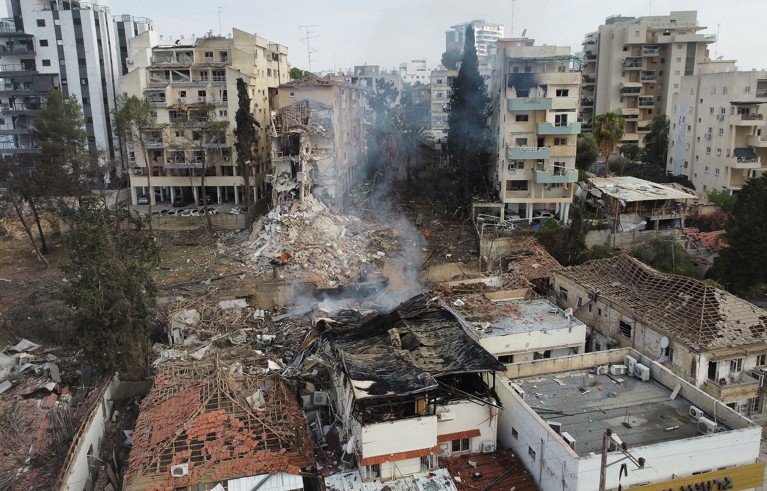
Tehran, Iran, April 06, 2026 (Parliament Politics Magazine) iran geopolitical crisis escalates sharply after Iran’s foreign minister publicly condemned the bombing of a major academic and technological institution, widely referred to as the country’s equivalent of the Massachusetts Institute of Technology. The strike, which reportedly targeted a high-level research facility, has intensified fears that the ongoing conflict is expanding beyond military targets into critical civilian infrastructure.
The minister described the attack as a dangerous escalation, warning that targeting scientific institutions represents a shift in the nature of modern warfare. The condemnation comes as tensions in the region continue to rise following a series of coordinated strikes on Iranian infrastructure.
“This attack represents a direct assault on knowledge, innovation, and national sovereignty,”
the foreign minister stated, signaling that Iran views the incident as a major turning point.
Strikes on Infrastructure Fuel iran geopolitical crisis
Recent developments indicate that the iran geopolitical crisis is no longer confined to traditional military engagements. Reports confirm that multiple strikes have hit key infrastructure sites, including energy facilities, research institutions, and strategic economic assets.
The attack on the research facility follows a broader pattern of escalation, with airstrikes targeting petrochemical plants, industrial centers, and even areas near nuclear facilities.
Experts warn that this widening scope increases the risk of unintended consequences, including environmental disasters and long-term economic damage.
Global Reaction Signals Growing Concern
The iran geopolitical crisis has drawn immediate international attention, with governments and organizations expressing concern over the escalation. Diplomatic efforts are intensifying as global leaders attempt to prevent further deterioration.
Some nations have called for restraint, emphasizing the importance of protecting civilian infrastructure under international law. Others remain cautious, reflecting the complex alliances and competing interests involved.
“The targeting of academic institutions crosses a dangerous threshold in modern conflict,”
a senior international analyst noted.
Academic Institutions Become Strategic Targets
The bombing of a research hub has raised serious questions about the evolving nature of warfare. Traditionally considered protected under international norms, academic institutions are increasingly being viewed as strategic assets.
Analysts suggest that such facilities may be targeted due to their role in technological advancement and innovation. However, critics argue that this approach undermines global norms and risks escalating conflicts beyond control.
The iran geopolitical crisis now reflects a broader shift, where intellectual and technological capabilities are becoming central to geopolitical competition.
Economic Shockwaves and Energy Market Impact
The iran geopolitical crisis is already affecting global markets, particularly in the energy sector. Key infrastructure strikes have disrupted production and contributed to rising oil prices.
Recent attacks on major energy facilities have heightened fears of supply disruptions, with global markets reacting to uncertainty and instability.
Investors are closely monitoring developments, as prolonged instability in the region could have far-reaching economic consequences.
Legal and Humanitarian Concerns Intensify
The expansion of targets to include research and civilian infrastructure has triggered widespread legal and ethical concerns. International law generally prohibits attacks on non-military sites, especially those related to education and research.
Human rights organizations are calling for independent investigations, emphasizing the need for accountability and transparency.
The iran geopolitical crisis is increasingly being framed not just as a military conflict, but as a humanitarian issue with global implications.
Risk of Broader Regional Conflict
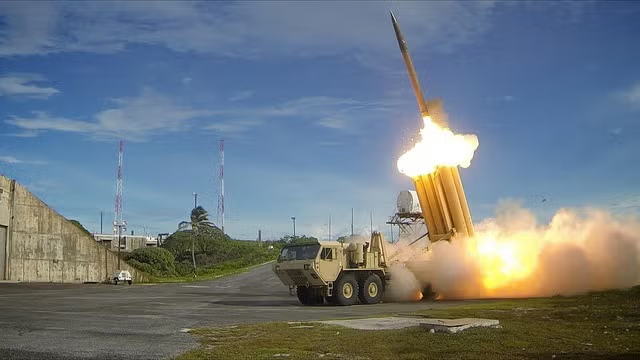
The situation continues to deteriorate as retaliatory actions and countermeasures increase. The iran geopolitical crisis now threatens to draw in additional regional and global actors.
Recent reports indicate that multiple countries have been affected by spillover attacks, including strikes on energy infrastructure across the Gulf.
Military analysts warn that without immediate de-escalation, the conflict could evolve into a broader regional war with significant global consequences.
Diplomatic Efforts Face Uncertain Future
Despite the escalating tensions, diplomatic efforts are ongoing. Mediators are working to broker ceasefire agreements, though progress remains uncertain.
Proposals for temporary truces and negotiations have been discussed, but key disagreements continue to hinder progress.
“Diplomacy remains the only viable path forward, but time is running out,”
a senior diplomat warned.
Information Warfare Shapes Global Narrative
In addition to physical conflict, the iran geopolitical crisis is being shaped by competing narratives. Governments and media outlets are presenting differing accounts of events, influencing public perception and policy responses.
This information battle underscores the importance of transparency and credibility in shaping international opinion.
As the crisis unfolds, the ability to control the narrative may prove as critical as military strategy.
What Happens Next in the iran geopolitical crisis?
The coming days will be crucial in determining the trajectory of the iran geopolitical crisis. Key factors include potential retaliatory strikes, diplomatic breakthroughs, and shifts in international alliances.
The targeting of a major research institution marks a significant escalation, suggesting that the conflict is entering a new and more dangerous phase.
Observers warn that without immediate action, the crisis could spiral into a prolonged and far-reaching conflict.
Key Developments and Global Risks
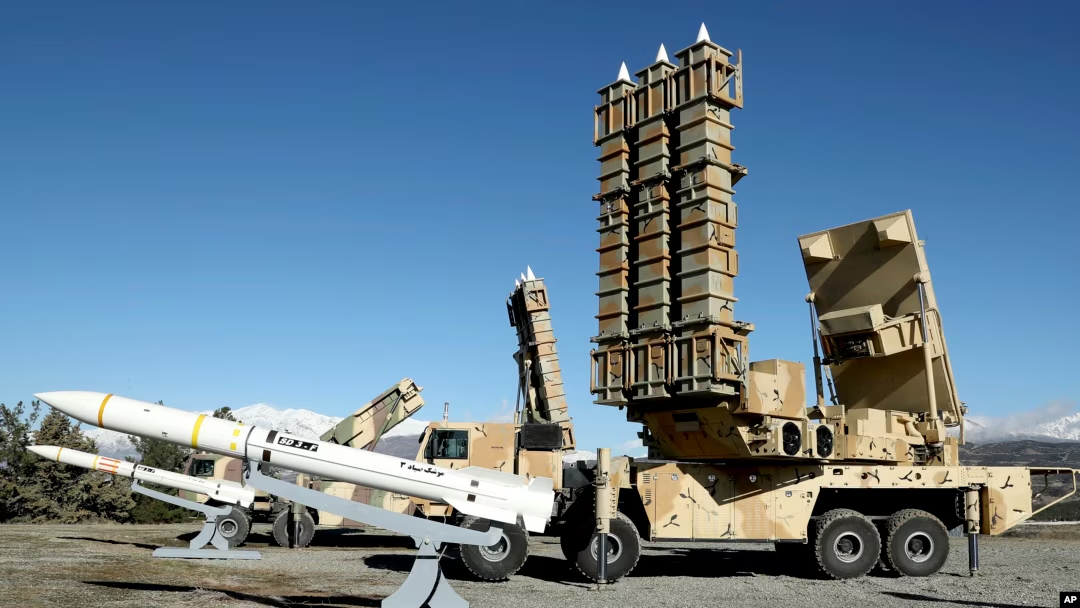
The iran geopolitical crisis has entered a critical stage following the bombing of a major research facility and the strong condemnation from Iran’s foreign minister. The incident highlights a shift toward targeting intellectual and civilian infrastructure, raising serious legal, ethical, and geopolitical concerns.
With global markets reacting, diplomatic efforts intensifying, and the risk of wider war growing, the situation remains highly volatile. The world now watches closely as leaders face mounting pressure to prevent further escalation.