

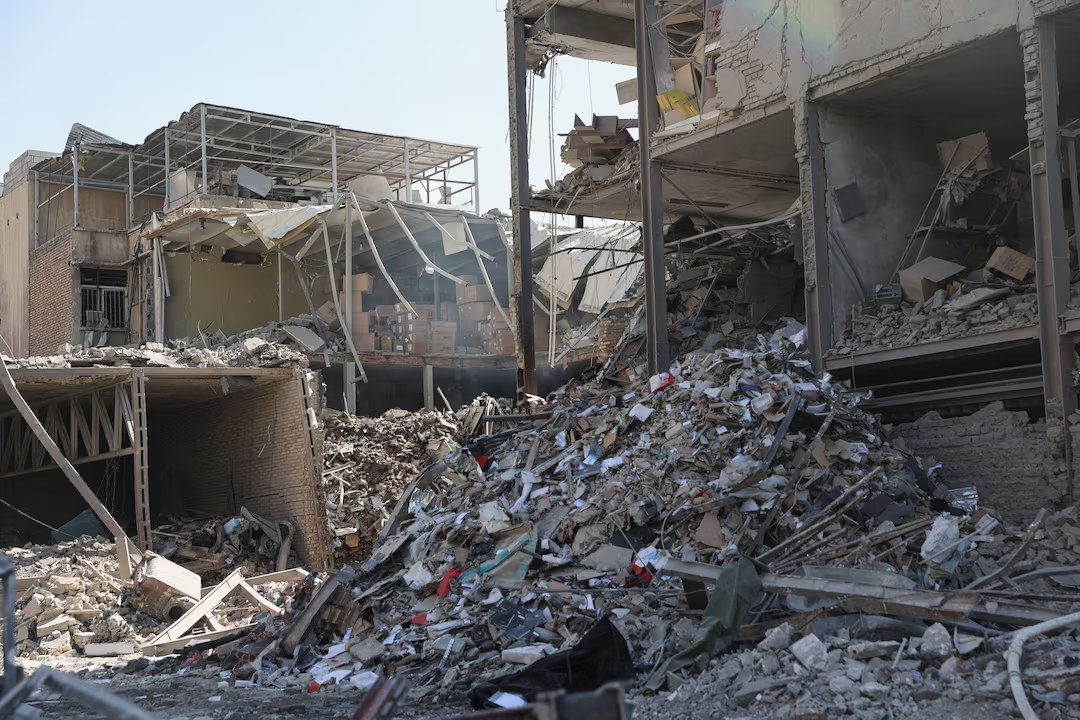
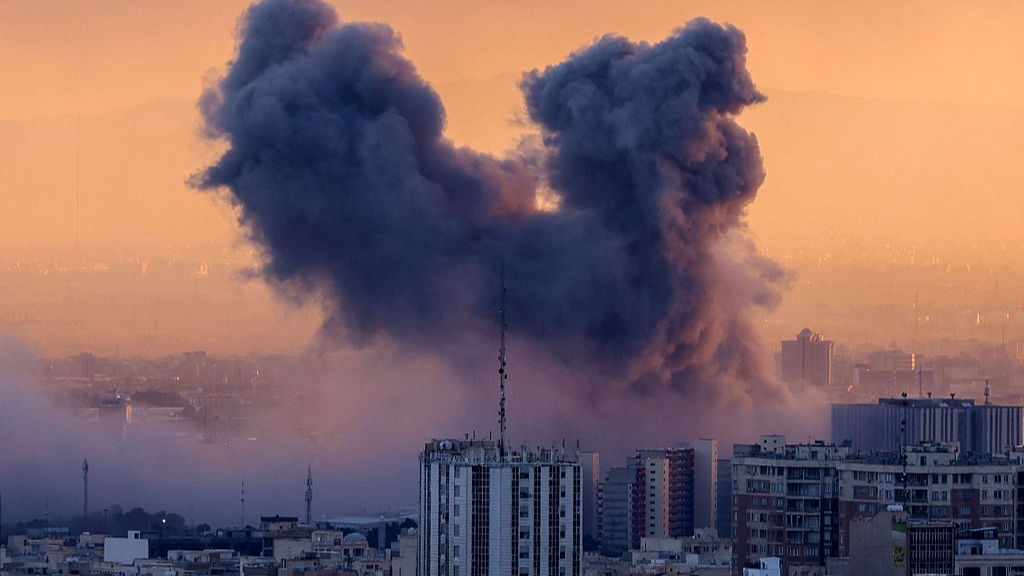
Tehran, Iran, April 07, 2026 (Parliament Politics Magazine) Iran capital attack developments have intensified in 2026, with multiple blasts reported across Tehran, marking a significant escalation in the ongoing conflict. Witnesses described powerful explosions echoing across neighborhoods, with emergency sirens and thick smoke visible in several parts of the city.
Recent reports confirm that repeated strikes have targeted key infrastructure, including airports and industrial facilities, highlighting a shift toward sustained pressure on the Iranian capital.
For residents, the situation is rapidly deteriorating into a constant state of uncertainty. Streets have emptied, businesses are operating cautiously, and communication disruptions have added to the confusion surrounding the unfolding events.
Strategic Escalation Signals a Dangerous Turning Point
The Iran capital attack is not being viewed as an isolated event but rather as part of a broader escalation strategy. Analysts suggest that repeated strikes on Tehran are intended to weaken both infrastructure and public morale.
Military experts note that attacks on high-value targets, including airports and energy-related sites, indicate a calculated effort to disrupt operational capabilities.
A regional security analyst stated:
“This is no longer symbolic. The Iran capital attack reflects a sustained campaign designed to apply pressure at the heart of the country’s political and logistical systems.”
The growing frequency of blasts suggests that the conflict is entering a more aggressive and unpredictable phase.
Civilians Caught in the Middle of Escalating Violence
The Iran capital attack has placed civilians in an increasingly vulnerable position. Reports indicate casualties from overnight strikes, with at least dozens affected across multiple locations.
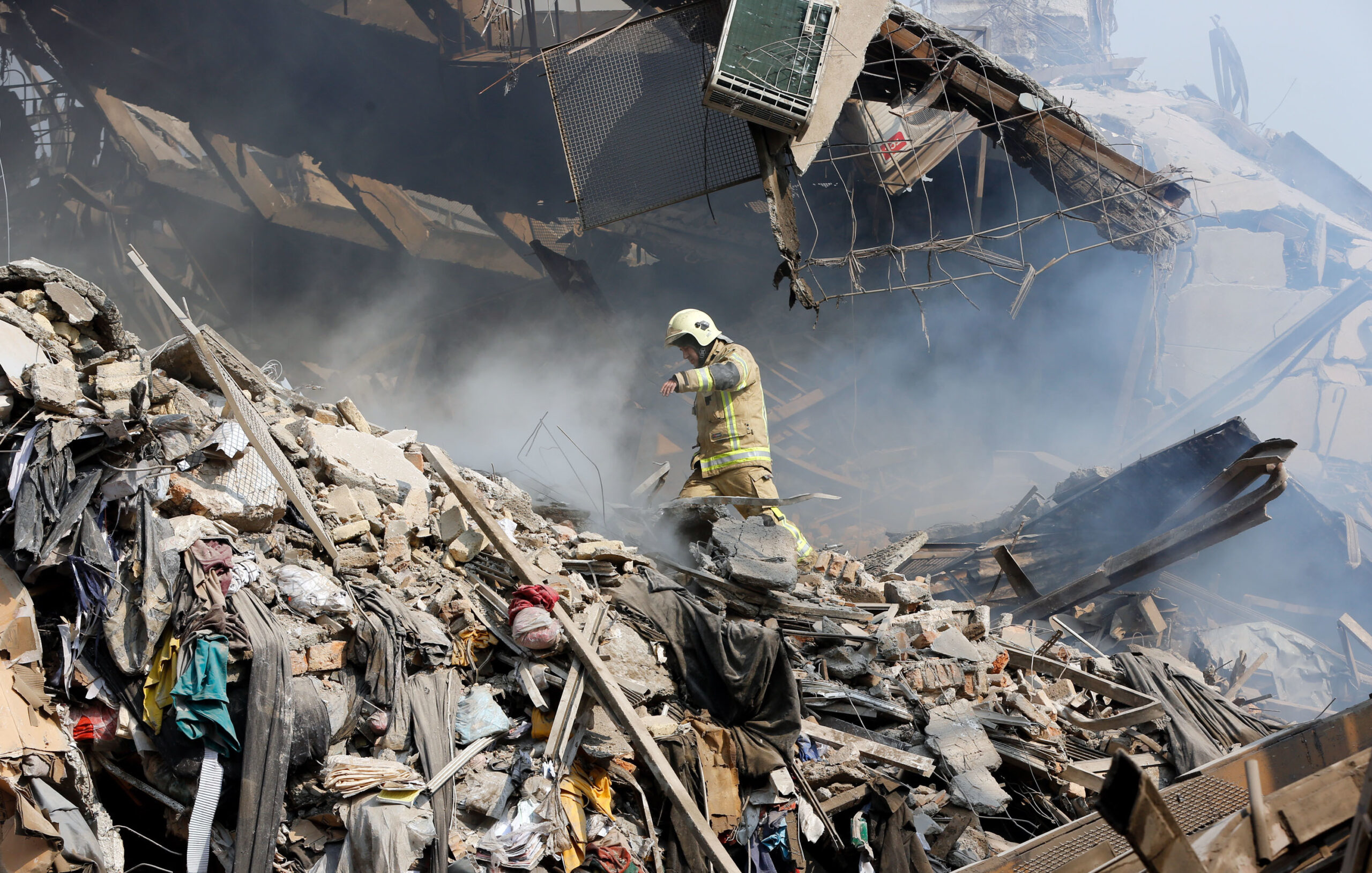
Hospitals are reportedly under strain as emergency teams respond to injuries and potential casualties. Families are limiting travel, schools in affected areas are temporarily closed, and many residents remain indoors as a precaution.
One resident described the ongoing fear:
“You hear the blast, then silence, then sirens. It’s becoming part of daily life, and that’s what’s most frightening.”
The psychological toll is becoming just as significant as the physical damage, with prolonged exposure to instability impacting mental health across the population.
Infrastructure and Energy Targets Raise Global Concerns
The Iran capital attack has increasingly focused on infrastructure critical to national operations. Airports, power systems, and industrial complexes have reportedly been targeted, signaling an effort to disrupt Iran’s economic and logistical stability.
Earlier strikes in Tehran and other regions have included attacks on government facilities and communication centers, further demonstrating the strategic nature of the campaign.
Global markets are reacting to the uncertainty, particularly in the energy sector. Any prolonged disruption in the region could have significant ripple effects on global oil supply and pricing.
International Reaction and Risk of Wider Conflict
The Iran capital attack has drawn widespread international attention, with governments closely monitoring developments. Diplomatic efforts to de-escalate tensions appear to be ongoing, but progress remains uncertain.
Recent statements indicate that ceasefire proposals have been rejected, signaling that a resolution may not be imminent.
At the same time, global leaders are increasingly concerned about the potential for the conflict to expand beyond current borders. The involvement of multiple regional actors raises the risk of a broader confrontation.
Information Warfare and Narrative Control
Beyond physical attacks, the Iran capital attack is also unfolding in the digital space. Conflicting reports, social media narratives, and limited access to verified information are complicating public understanding of the situation.
Iran has previously imposed communication restrictions during periods of unrest, limiting access to reliable updates and shaping the flow of information.
This environment makes it difficult for both domestic and international audiences to fully assess the situation, adding another layer of complexity to the crisis.
Military Pressure and Political Calculations
The Iran capital attack is likely to influence both military strategy and political decisions moving forward. Analysts suggest that leadership may face increasing pressure to respond, potentially escalating the situation further.
At the same time, there are concerns about how continued attacks could impact internal stability. Public sentiment, already strained, may shift depending on how the situation evolves in the coming days.
The balance between retaliation and restraint will likely shape the next phase of the conflict.
What Comes Next?
The trajectory of the Iran capital attack remains uncertain. Key questions continue to dominate discussions among analysts and policymakers:
- Will the frequency of attacks increase?
- How will Iran respond to sustained pressure on its capital?
- Could this conflict expand into a wider regional war?
These uncertainties highlight the fragile and volatile nature of the current situation.
A Crisis at a Critical Point
The Iran capital attack marks a critical escalation in an already volatile conflict. With repeated explosions reported in Tehran, the situation is becoming increasingly dangerous for both civilians and regional stability.
Strategic infrastructure is being targeted, global concerns are rising, and diplomatic efforts have yet to produce meaningful results. The combination of military action, political tension, and information warfare is shaping a complex and rapidly evolving crisis.
As the world watches closely, the coming days may determine whether this escalation leads to broader conflict—or opens the door to de-escalation efforts.
For now, the Iran capital attack remains a defining moment in a conflict that shows no clear signs of slowing down.
