

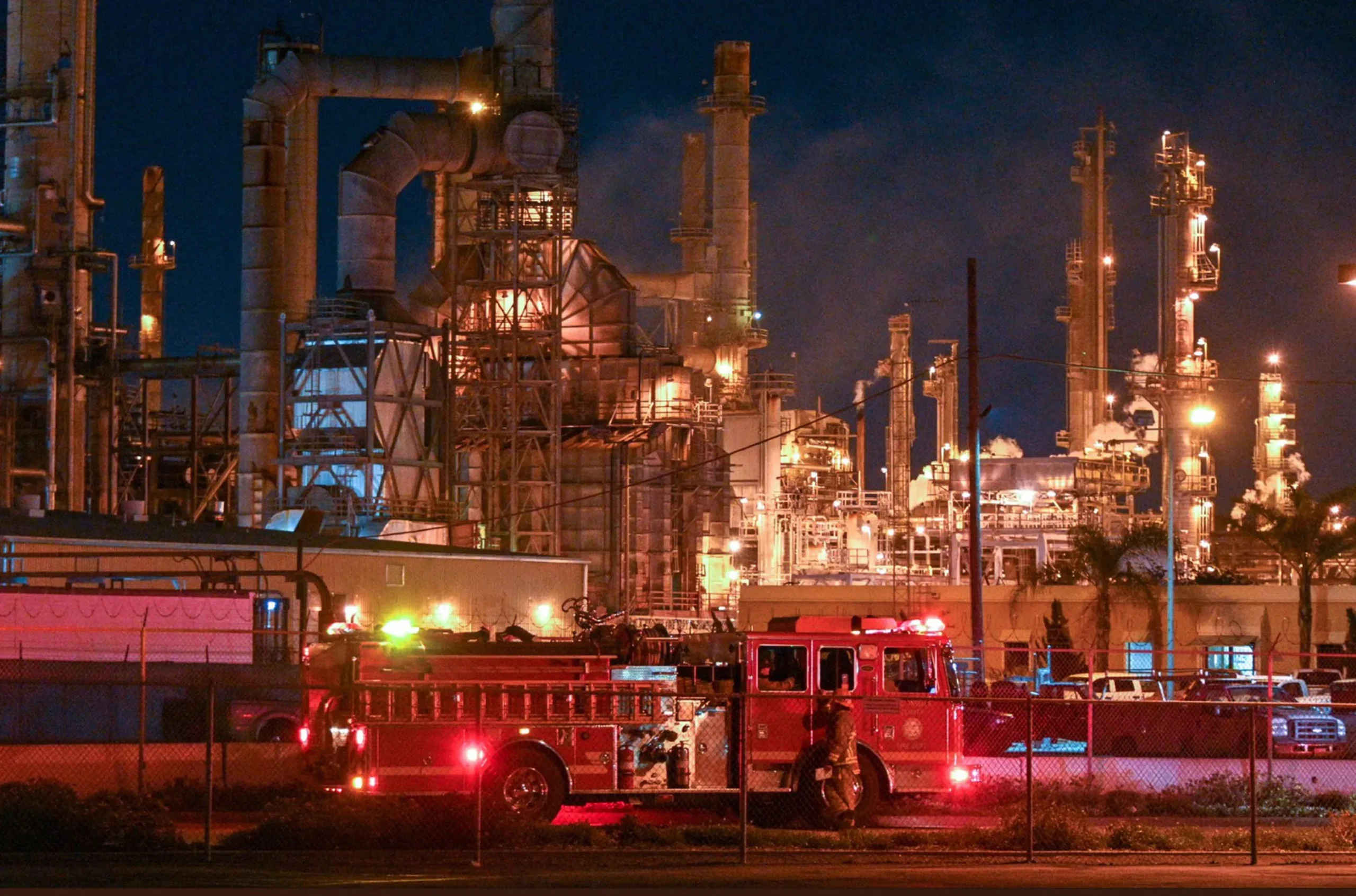
Middle East, April 07, 2026 (Parliament Politics Magazine) Petrochemical infrastructure attack is now at the center of a rapidly escalating geopolitical crisis in 2026, as the Islamic Revolutionary Guard Corps (IRGC) claims responsibility for targeting energy facilities in Saudi Arabia following strikes in Shiraz.
The announcement marks a significant shift in regional conflict dynamics, where economic and energy assets are increasingly being used as leverage in retaliatory strategies. Iranian officials described the strikes as a “necessary and calculated response” to what they called “unprovoked aggression” on Iranian territory.
A senior IRGC official stated:
“This response sends a clear message—attacks on our homeland will carry consequences beyond borders.”
Strategic Energy Targets Under Fire
The reported petrochemical infrastructure attack focused on facilities that are critical to Saudi Arabia’s oil processing and export operations. These sites are essential not only to the Kingdom’s economy but also to global energy markets.
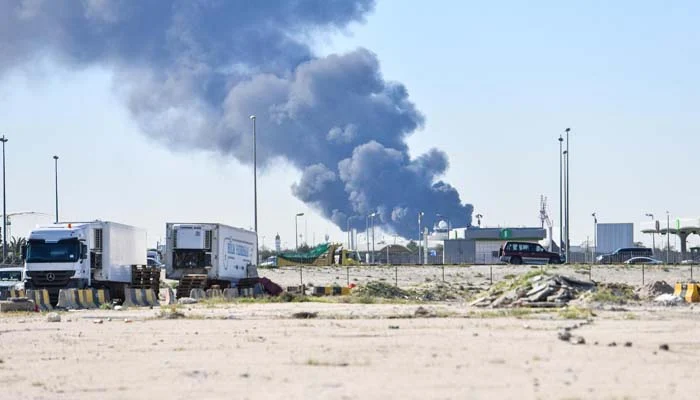
While Saudi authorities have confirmed disruptions, they emphasized that the situation remains under control. Emergency teams were deployed quickly to contain damage and maintain operational stability.
Energy analysts note that even limited disruptions to such infrastructure can have outsized effects. The Middle East remains a cornerstone of global oil supply, and any threat to production or processing facilities introduces immediate uncertainty.
Retaliation Signals Dangerous Escalation
This petrochemical infrastructure attack is widely seen as part of a growing cycle of retaliation that is reshaping the regional security landscape. The strikes in Shiraz appear to have triggered a more direct and visible response from Iran, moving beyond proxy engagements.
Security experts warn that the escalation pattern is becoming more predictable—and more dangerous.
A regional analyst explained:
“Each side is attempting to demonstrate strength without crossing the threshold into full-scale war, but the margin for error is shrinking.”
Global Energy Markets Feel Immediate Impact
Markets responded quickly to news of the petrochemical infrastructure attack, with oil prices rising amid fears of supply disruptions. Investors are increasingly sensitive to developments in the region, given its importance to global energy stability.
The Strait of Hormuz remains a focal point of concern. As one of the world’s most critical oil transit routes, any instability in the surrounding region raises alarms for global trade.
Although shipping lanes remain open, increased military presence suggests that contingency planning is already underway.
Diplomatic Efforts Struggle to Keep Pace
International calls for restraint have intensified following the petrochemical infrastructure attack. However, diplomatic efforts appear to be lagging behind the pace of military developments.
Western officials have urged both sides to avoid further escalation, but neither Iran nor Saudi Arabia has indicated a willingness to de-escalate at this stage.
Regional alliances are also being tested, as countries weigh their positions in an increasingly polarized environment.
Calculated Military Messaging
Experts believe the petrochemical infrastructure attack reflects a deliberate strategy by Iran to apply pressure while avoiding immediate large-scale conflict. By targeting economic infrastructure rather than civilian populations, the IRGC may be attempting to frame its actions as measured retaliation.
However, this approach carries significant risks. Miscalculations or unintended consequences could quickly transform controlled escalation into broader conflict.
A defense analyst noted:
“Strategic targeting may limit immediate backlash, but it also raises the stakes in a way that is difficult to contain.”
Shifting Power Dynamics in the Region
The incident highlights evolving power dynamics across the Middle East. As tensions rise, countries are reassessing their security priorities and alliances.
Saudi Arabia’s response will be closely watched, as it could determine whether the conflict remains contained or expands further. Meanwhile, Iran continues to assert its influence through both military and strategic messaging.
The petrochemical infrastructure attack underscores how economic assets have become central to modern conflict strategies.
Human Cost Behind the Headlines
Amid the focus on military and economic implications, the human impact of the conflict remains significant. Civilians in affected areas face uncertainty, disruption, and fear as tensions continue to rise.
In Shiraz, reports of casualties have fueled public anger and calls for accountability. In Saudi Arabia, communities near targeted facilities are dealing with the immediate aftermath of the attack.
A humanitarian observer stated:
“The consequences of these actions extend far beyond strategy—they affect everyday lives in profound ways.”
What Happens Next?
The situation remains highly fluid, with multiple potential outcomes. Continued retaliation could draw additional countries into the conflict, while successful diplomatic intervention could help stabilize the region.
Military analysts stress the importance of communication channels to prevent escalation. However, current trends suggest that tensions may continue to intensify in the short term.
A Critical Turning Point
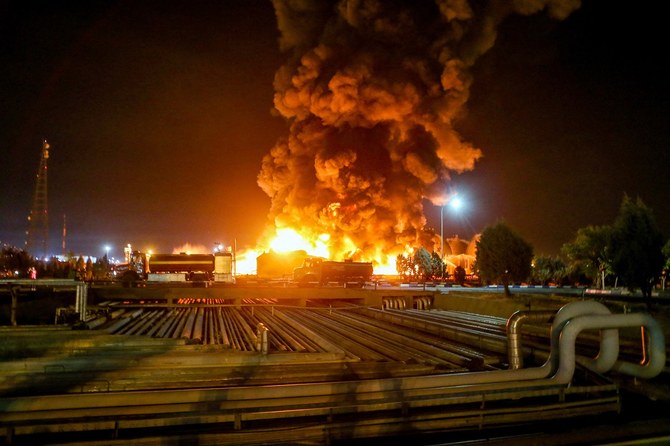
The petrochemical infrastructure attack represents a pivotal moment in the 2026 Middle East conflict. Triggered by strikes in Shiraz, the IRGC’s response highlights a growing reliance on strategic economic targeting.
As global energy markets react and diplomatic efforts struggle to keep up, the risk of broader conflict remains high. The coming weeks will be crucial in determining whether this escalation can be contained—or if it signals the beginning of a larger regional crisis.
