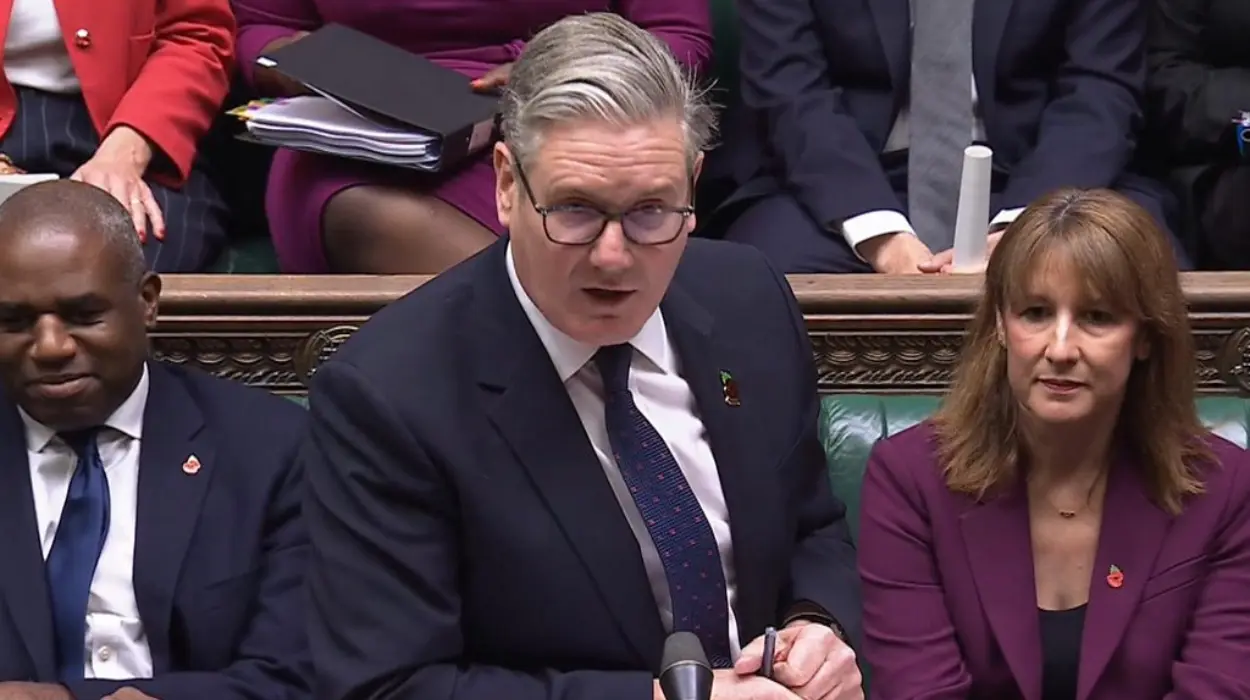
As a plane took off from RAF Brize Norton early today, it carried a sense of guarded optimism few in the Foreign Office would have expected even two days earlier.
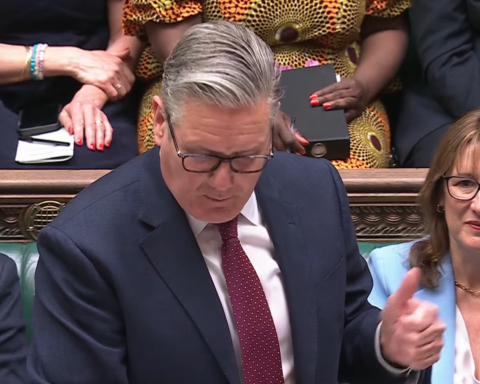
As Prime Minister Keir Starmer boarded the flight bound for the Gulf, the immediate danger of a wider regional war appeared, for now at least, to have receded. A two-week ceasefire between the United States and Iran has been agreed, pausing a five-and-a-half-week conflict that had threatened to spiral into a much broader confrontation and send another shock through the global economy.
However, while the guns may be about to fall silent, the ceasefire rests on a narrow and unstable base, with both the US and Iran claiming victory in the conflict and no agreed pathway to peace.
For Starmer, the visit is not simply a diplomatic engagement but a mission shaped by the urgent need to boost security in the region, increase energy supplies and alleviate pressure higher oil prices put on the UK’s faltering.
The ceasefire emerged from intense pressure rather than any meaningful thaw between Washington and Tehran. The White House had escalated its warnings sharply, reportedly threatening severe action against Iranian infrastructure unless hostilities stopped.
Mediation efforts were driven in large part by Pakistan, which is dependent on Iranian oil, underlining how far the diplomatic centre of gravity has shifted during this crisis.
Britain was not at the heart of the talks, but ministers and officials have sought to carve out a supporting role by convening discussions on maritime security and by coordinating with allies worried about the immediate risks to trade and shipping.
Shipping in the region is of vital importance to the UK and wider global economy, as the Strait of Hormuz, the narrow waterway between Iran, Saudi Arabia, Qatar, the UAE and Oman carries roughly a fifth of global petroleum production. Its effective closure during the conflict rattled energy markets and revived fears of a fresh inflationary hit to the world economy. The decision to reopen it has therefore been received as more than a military de-escalation; it is also a tentative economic reprieve.
Markets responded quickly to the news with oil prices, which had surged during the height of the crisis, falling back below the $100-a-barrel mark.
That offers some immediate relief, not least for a British government acutely aware of how energy shocks travel into household bills, business costs and political anger. But commitment to reopen the waterway, has many practical problems which could take longer to resolve. Confidence among insurers, shipowners and commodities traders is unlikely to return overnight. One ceasefire breach, one attack on a tanker, or one miscalculation by a proxy force could send the whole route back into crisis.
Against this backdrop Starmer’s trip has a clear strategic logic. He is due to meet British military personnel stationed in the Gulf, where UK forces are involved in defensive operations intended to protect shipping lanes and reassure regional partners.
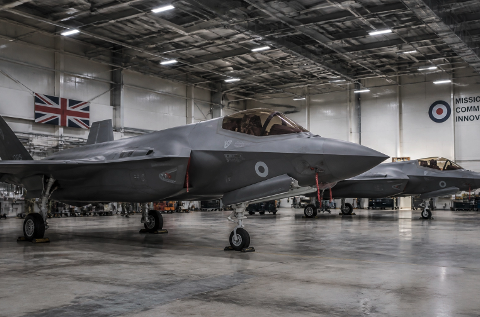
The visit is designed to show that Britain still intends to play a significant role in safeguarding maritime stability, even if it no longer holds the diplomatic clout was dealt a blow ahead of the trip after its one warship in the region, Portsmouth based HMS Dragon has reportedly been forced into port. The Daily Mail revealed the ship was suffering from a “technical issue with onboard water systems”, meaning the sailor on board would have limited access to water.
Also casting a shadow over the trip is a broader question about Britain’s relationship with Washington. Lord Peter Ricketts, the former national security adviser, offered a notably bleak assessment this morning on BBC Radio 4’s Today Programme, warning that the so-called special relationship was becoming increasingly transactional. His argument is not that the alliance has disappeared, but that its old assumptions no longer hold. Britain cannot rely on sentiment, history or habit to secure a hearing in Washington if American strategy is being driven by raw leverage and narrow self-interest and the whims of President Trump.
According to MPs and peers, parliamentnews.co.uk has spoken to, Lord Ricketts’s view has become the established view in Whitehall, with the US now being seen as an unreliable ally.
So the PM enters this moment with little room for error. The ceasefire is only a fourteen-day pause, not a settlement. The harder arguments over Iran’s nuclear programme, regional militias and long-term enforcement have barely begun. If those talks fail, the threat of renewed strikes will return quickly, and with it the possibility that the Strait of Hormuz could close again. That would put the world economy back on edge and leave governments, including Britain’s, scrambling once more.
So, the significance of this Gulf visit lies in its immediacy. Starmer is trying to support attempts to convert a temporary suspension of hostilities into a wider sense of stability, however limited. He is doing so at a time when the UK’s leverage has severely diminished, the region remains combustible and Britain’s relationship with the US is being reassessed in real time and through the prism of social media pronouncements from President Trump who seems to change his mind on a daily, even hourly basis.