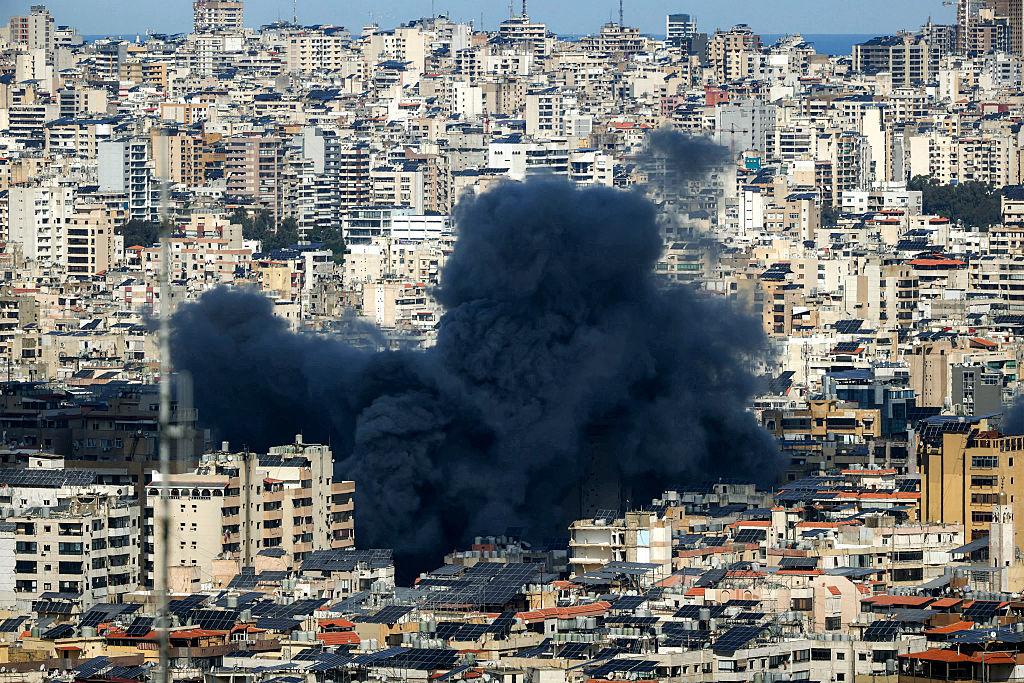
Brussels / Beirut, April 09, 2026 (Parliament Politics Magazine) Middle East ceasefire collapse is now unfolding rapidly as Lebanon mourns fresh casualties following renewed Israeli raids that are shaking an already fragile agreement between Washington and Tehran. What was once viewed as a temporary pause in hostilities is now under severe strain, raising urgent concerns about a broader regional escalation.
Renewed Airstrikes Trigger Widespread Fear
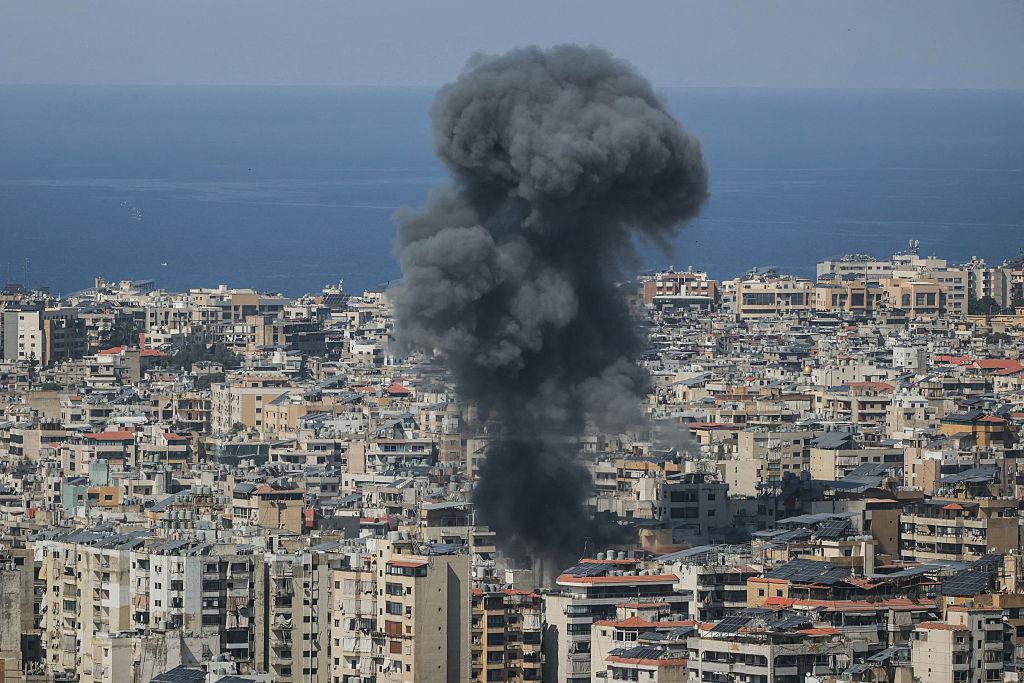
The latest wave of airstrikes across southern Lebanon has significantly escalated tensions on the ground. Reports indicate that targeted operations against suspected militant positions have spilled into civilian areas, leaving destruction in their wake.
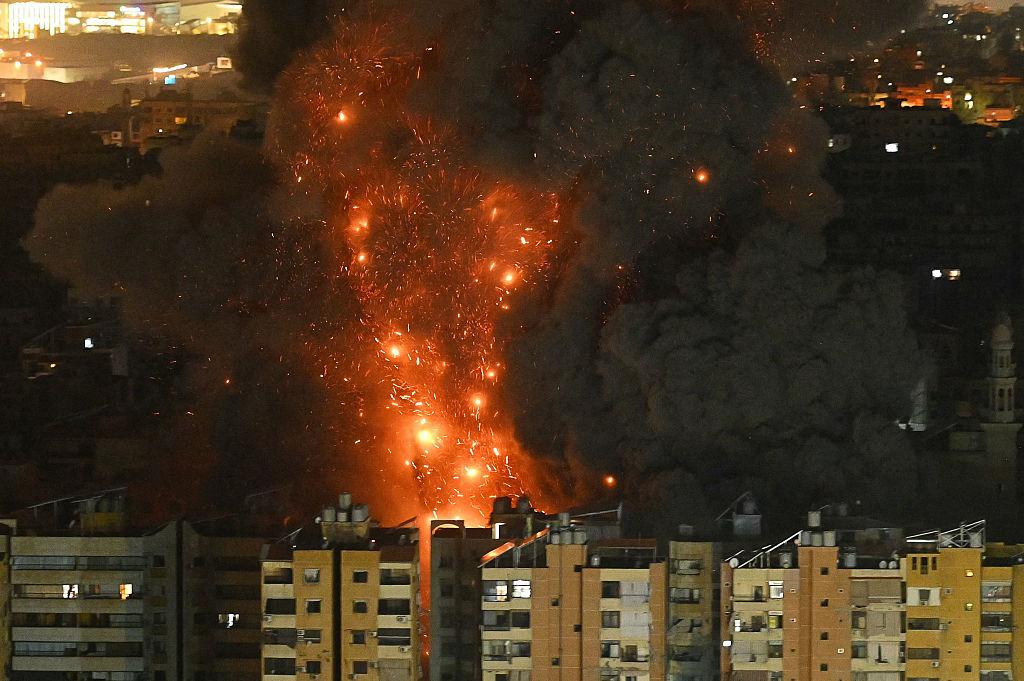
Entire neighborhoods have been impacted, with buildings reduced to rubble and infrastructure heavily damaged. Residents describe scenes of chaos as emergency responders work tirelessly to recover victims and assist the injured.
Hospitals are struggling to cope with the sudden influx of casualties, many of whom are civilians caught in the crossfire. Medical staff face shortages of critical supplies, further complicating response efforts in an already strained healthcare system.
Ceasefire Agreement Faces Critical Breakdown
The Middle East ceasefire collapse reflects deeper issues within the agreement itself. Initially brokered through indirect negotiations involving the United States and Iran, the ceasefire had provided a brief period of reduced hostilities.
However, recent developments suggest that the agreement lacked enforceable mechanisms to ensure compliance. Israeli officials argue that their actions are defensive and necessary to neutralize threats, while opposing forces claim the strikes violate the spirit of the ceasefire.
This breakdown highlights the difficulty of maintaining peace in a region shaped by long-standing rivalries and proxy conflicts. Without mutual trust and clear accountability, such agreements remain vulnerable to rapid unraveling.
Humanitarian Crisis Deepens Across Lebanon
The human cost of the Middle East ceasefire collapse is becoming increasingly severe. Families across Lebanon are grieving the loss of loved ones, while thousands more are being displaced from their homes.
Access to essential services is deteriorating in heavily affected areas. Clean water, food supplies, and shelter are becoming scarce as the conflict disrupts daily life. Schools have been forced to close, and economic activity has slowed dramatically.
Aid organizations warn that the situation could worsen if hostilities continue. The combination of ongoing violence and limited resources is creating conditions for a prolonged humanitarian emergency.
A regional aid official stated:
“This crisis is escalating faster than relief efforts can respond, and civilians are paying the highest price.”
Global Leaders Call for Immediate De-escalation
The international response to the Middle East ceasefire collapse has been swift but cautious. Governments around the world are urging all parties to exercise restraint and return to diplomatic channels.
The United States has reiterated its commitment to regional stability, while European leaders have emphasized the need for renewed negotiations. Diplomatic efforts are reportedly ongoing behind the scenes, though progress remains uncertain.
Regional actors are also closely monitoring the situation, aware that continued instability in Lebanon could trigger a wider conflict involving multiple countries.
Strategic Implications for the Region
The broader implications of the Middle East ceasefire collapse extend beyond immediate violence. Analysts warn that the breakdown of the agreement could reshape regional dynamics in significant ways.
Hardline positions may gain strength as trust between opposing sides deteriorates. This could make future negotiations more difficult and prolong the cycle of conflict.
Additionally, the instability may impact global markets, particularly in energy sectors sensitive to developments in the Middle East. Security concerns could also influence international policy decisions in the coming weeks.
Voices From Civilians Caught in Conflict
For those living through the crisis, the Middle East ceasefire collapse is more than a geopolitical issue—it is a daily reality marked by fear and uncertainty.
Residents describe nights filled with the sound of explosions and days spent searching for safety. Many have lost their homes, while others remain unsure whether it is safe to stay or flee.
One Beirut resident shared:
“We had hope when the ceasefire was announced, but now it feels like everything is falling apart again.”
Uncertain Path Forward as Tensions Rise
The immediate future remains unclear as the Middle East ceasefire collapse continues to unfold. Diplomatic efforts may intensify, but the situation on the ground remains volatile.
Security experts warn that without a renewed commitment to de-escalation, the region could face a prolonged period of instability. Each new incident increases the risk of drawing additional actors into the conflict.
The coming days will be critical in determining whether leaders can stabilize the situation or whether the conflict will expand further.
A Region at a Breaking Point
The Middle East ceasefire collapse underscores the fragile nature of peace in one of the world’s most complex regions. As Lebanon mourns its losses and tensions escalate, the urgency for a lasting diplomatic solution has never been greater.
Without immediate and coordinated action, the current crisis risks evolving into a broader conflict with far-reaching global consequences. For now, civilians remain at the center of the turmoil, bearing the cost of a ceasefire that could not hold.
Middle East Ceasefire Collapse Deepens Crisis
The Middle East ceasefire collapse is rapidly intensifying, with Lebanon facing renewed violence, rising casualties, and a worsening humanitarian crisis. As global leaders push for restraint, the risk of wider conflict continues to grow, leaving the region at a critical turning point.