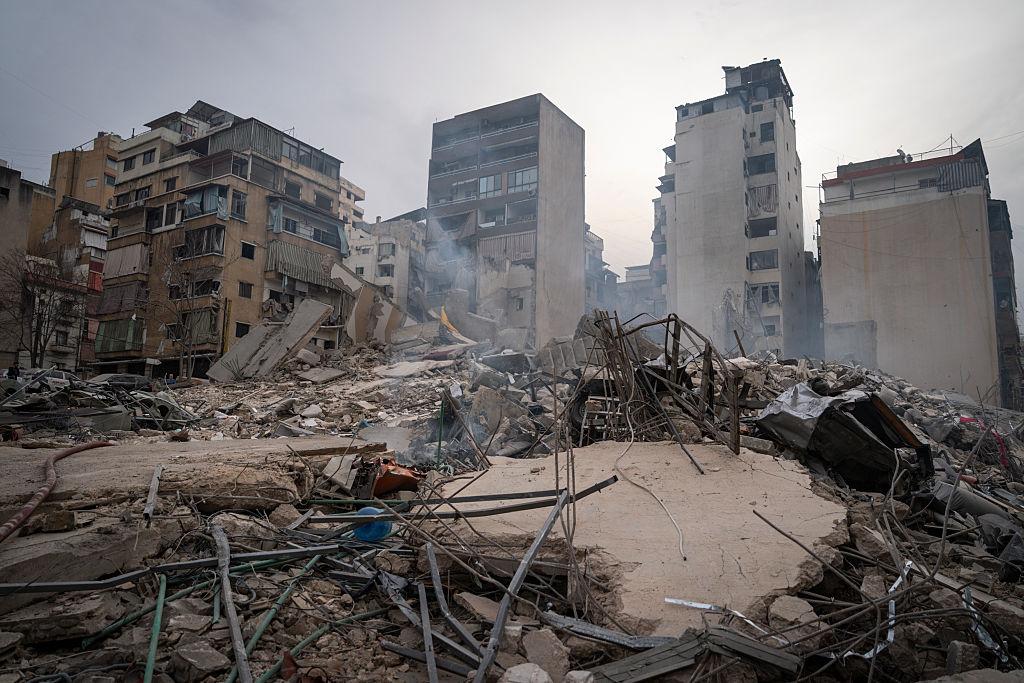
Southern Lebanon, April 10, 2026 (Parliament Politics Magazine) Israel military operations have come under renewed scrutiny after reports emerged that ambulances and firetrucks were struck during an air raid in southern Lebanon. The incident, unfolding amid rising regional tensions, has sparked international concern over the safety of civilians and emergency responders operating in conflict zones.
Initial accounts suggest that emergency crews responding to earlier explosions were caught in a secondary strike, intensifying fears of a widening humanitarian crisis. The situation highlights the increasing complexity of military engagements in densely populated areas near the border with Israel.
Eyewitness Accounts Describe Chaos and Fear
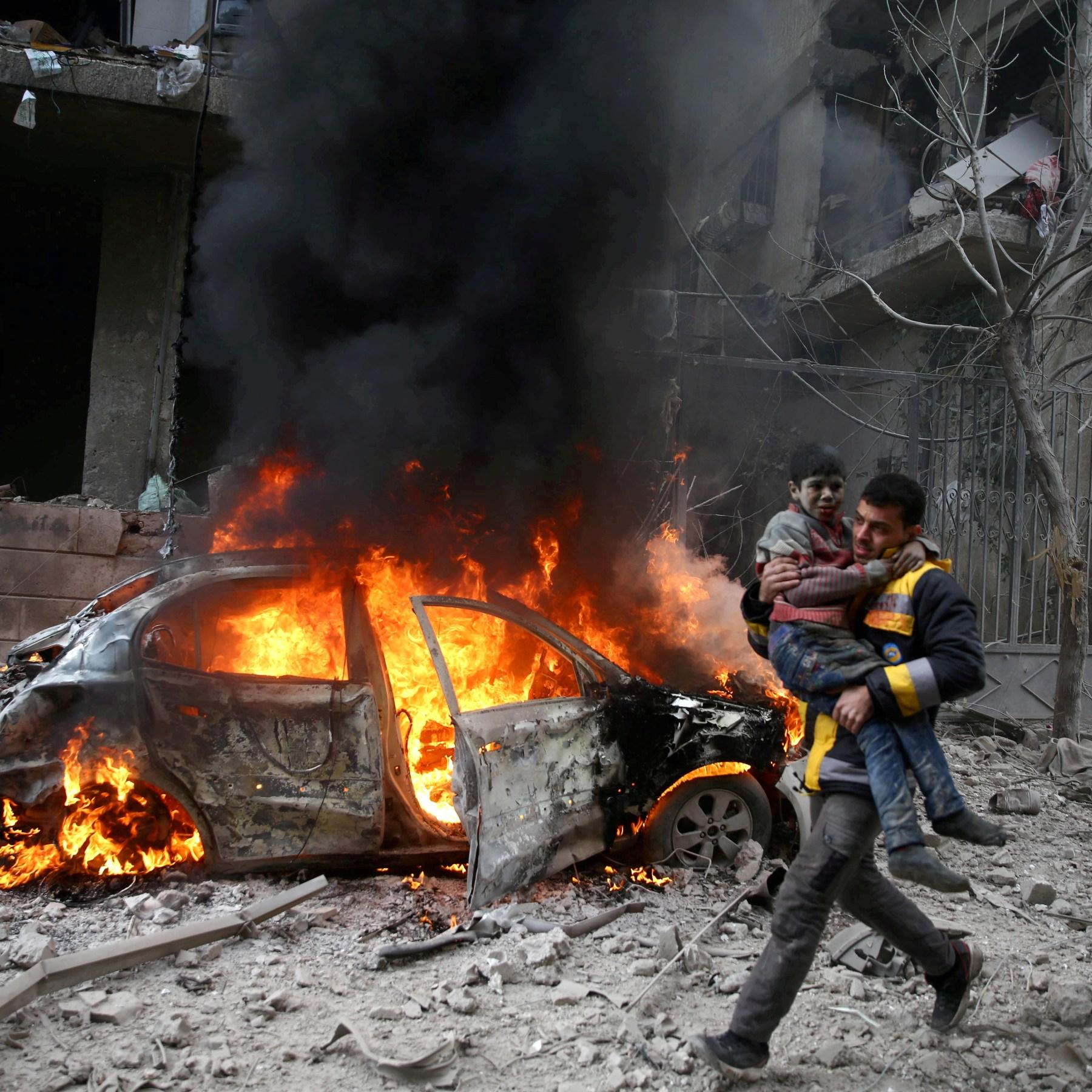
Local witnesses reported scenes of devastation as rescue teams attempted to reach injured civilians. Emergency responders, often seen as neutral actors in conflict, were reportedly among those impacted by the strike.
One rescue worker described the moment:
“We were trying to save lives when the second strike hit. These vehicles were clearly marked. It’s something we never expected.”
Such accounts have fueled concerns among humanitarian organizations, which stress that emergency services must be protected to ensure civilian survival during active conflict.
Military Context Behind the Operations
Israeli officials have long maintained that Israel military operations in southern Lebanon are aimed at countering threats posed by Hezbollah. The group’s presence in civilian areas complicates military targeting decisions, according to defense analysts.
While the full details of the operation remain unclear, experts suggest the strike may have been part of a broader effort to dismantle militant infrastructure. However, the reported involvement of emergency vehicles has shifted global attention toward the humanitarian implications of such actions.
A regional analyst noted:
“Operations in these environments require extreme caution. Any strike involving emergency services raises serious legal and ethical questions.”
International Response Builds Rapidly
The international community has responded swiftly, with the United Nations calling for a thorough and transparent investigation. Officials emphasized that emergency responders are protected under international humanitarian law and must not be targeted.
A spokesperson for a global aid organization stated:
“Attacks involving ambulances and fire services are deeply concerning. These are lifelines for civilians in crisis.”
Governments across Europe and the Middle East have also urged restraint, warning that further escalation could destabilize the region.
Humanitarian Law Under the Spotlight
The latest developments in Israel military operations have reignited debate over compliance with international humanitarian law. Legal frameworks governing armed conflict clearly outline protections for medical personnel and emergency services.
Experts stress that even in situations involving militant activity, proportionality and precaution must guide military decisions. Any deviation from these principles could result in serious legal consequences and increased diplomatic pressure.
Civilian Impact and Rising Fear
For residents of southern Lebanon, the psychological toll of the conflict continues to grow. The reported strike on emergency vehicles has heightened fears that even rescue efforts may no longer be safe.
Hospitals and emergency teams face increasing challenges, as concerns about safety could delay response times and worsen the humanitarian situation. Local leaders have called for urgent international intervention to ensure the protection of civilians and aid workers.
Broader Regional Implications
The escalation of Israel military operations comes amid broader tensions involving Iran and allied groups across the region. Analysts warn that incidents like this could trigger further conflict, drawing in additional actors and complicating diplomatic efforts.
The situation also risks inflaming public sentiment, potentially leading to protests and increased political pressure on regional governments.
Strategic and Political Fallout
From a strategic standpoint, military actions involving civilian infrastructure often carry significant political consequences. Governments must balance security objectives with the need to maintain international credibility and avoid humanitarian backlash.
For Israel, the challenge lies in addressing security threats while minimizing civilian harm. For Lebanon, the incident underscores the vulnerability of its southern regions and the urgent need for stability.
What Comes Next?
As investigations begin, attention will turn to accountability and the prevention of future incidents. International observers are expected to push for independent verification, while diplomatic channels work to ease tensions.
The coming days will be critical in determining whether the situation stabilizes or escalates further.
What We Know So Far
Israel military operations have intensified in southern Lebanon following a controversial air strike that reportedly struck ambulances and firetrucks. The incident has sparked global concern over civilian safety and adherence to humanitarian law. International organizations are calling for investigations as tensions continue to rise across the region.