

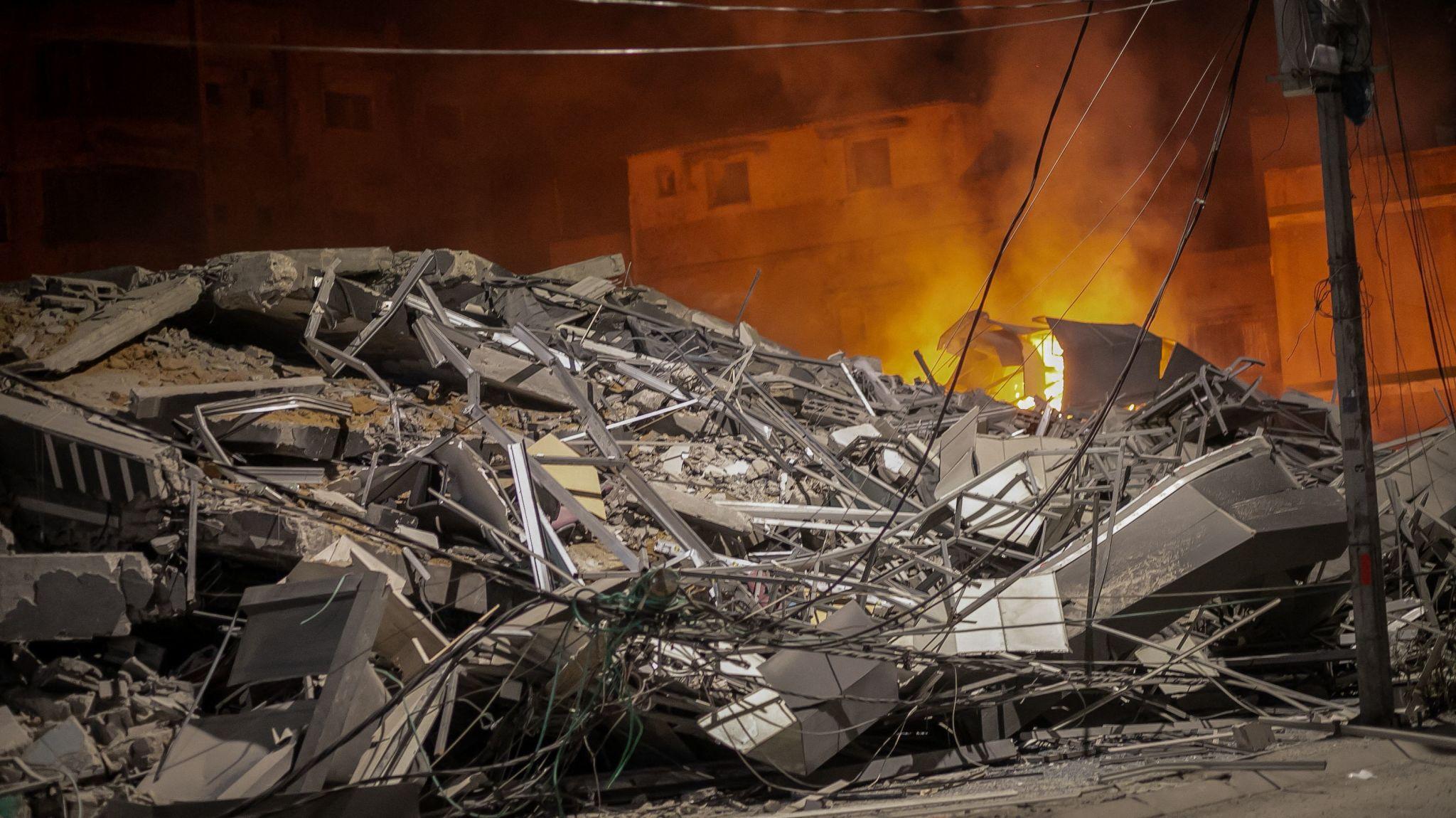
Tehran, Iran, April 10, 2026 (Parliament Politics Magazine) Middle East ceasefire debate is intensifying after a senior minister in Iran stated that the country does not support a ceasefire that could allow adversaries to regroup and launch further attacks. The remarks highlight a firm stance amid ongoing regional tensions and growing international calls for de-escalation.
The statement comes as confrontations involving Israel and allied forces continue to shape the security landscape. Iranian officials argue that any pause in fighting must include guarantees that prevent future aggression.
Security Concerns Drive Iran’s Position
At the center of the Middle East ceasefire debate is Iran’s concern that ceasefires can be strategically exploited. Officials believe that temporary pauses in hostilities may offer opposing forces time to reorganize and strengthen their positions.
A senior official said:
“A ceasefire without enforceable guarantees is not a path to peace—it risks giving our enemies the opportunity to strike again.”
This position reflects a broader strategic outlook that prioritizes long-term national security over short-term diplomatic relief.
Regional Tensions Complicate Ceasefire Efforts
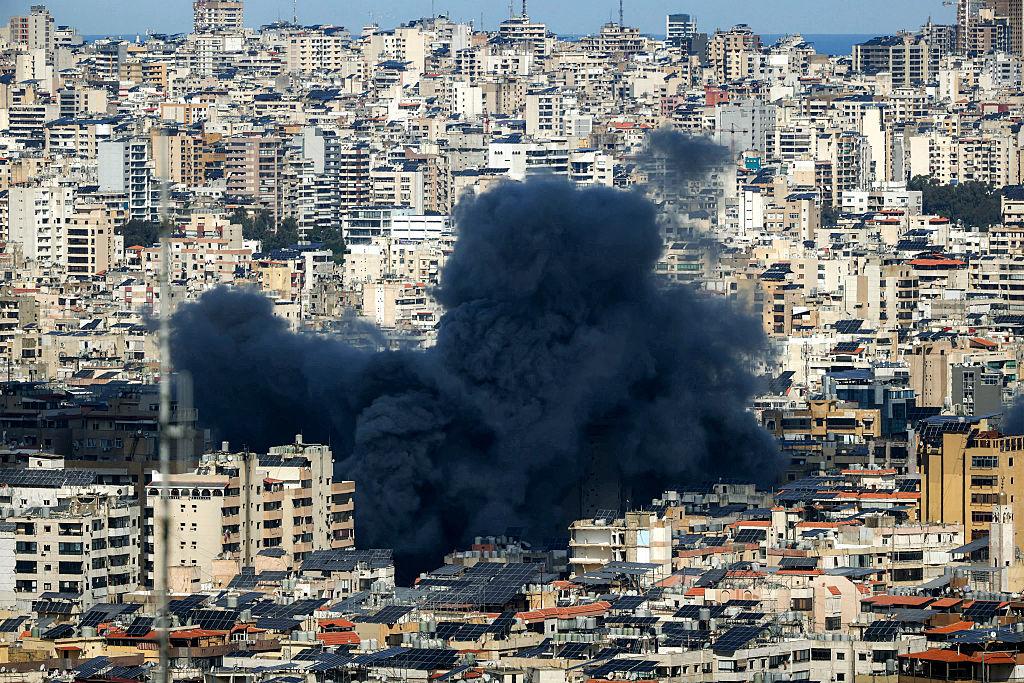
The Middle East ceasefire debate is further complicated by ongoing conflicts involving groups such as Hezbollah, whose activities influence the dynamics on the ground. The presence of armed groups in civilian areas adds layers of complexity to both military operations and diplomatic negotiations.
Analysts note that regional conflicts are deeply interconnected, meaning developments in one area can quickly impact others.
A regional expert explained:
“Any ceasefire must account for multiple actors and shifting alliances. Without that, agreements risk being fragile and short-lived.”
International Pressure for De-Escalation
Despite Iran’s stance, the international community continues to push for a ceasefire. Organizations like the United Nations have emphasized the urgent need to reduce violence and protect civilians.
The Middle East ceasefire debate has become a focal point for global diplomacy, with leaders seeking solutions that balance humanitarian needs with security concerns. However, reaching consensus remains a significant challenge.
Humanitarian Impact Raises Urgency
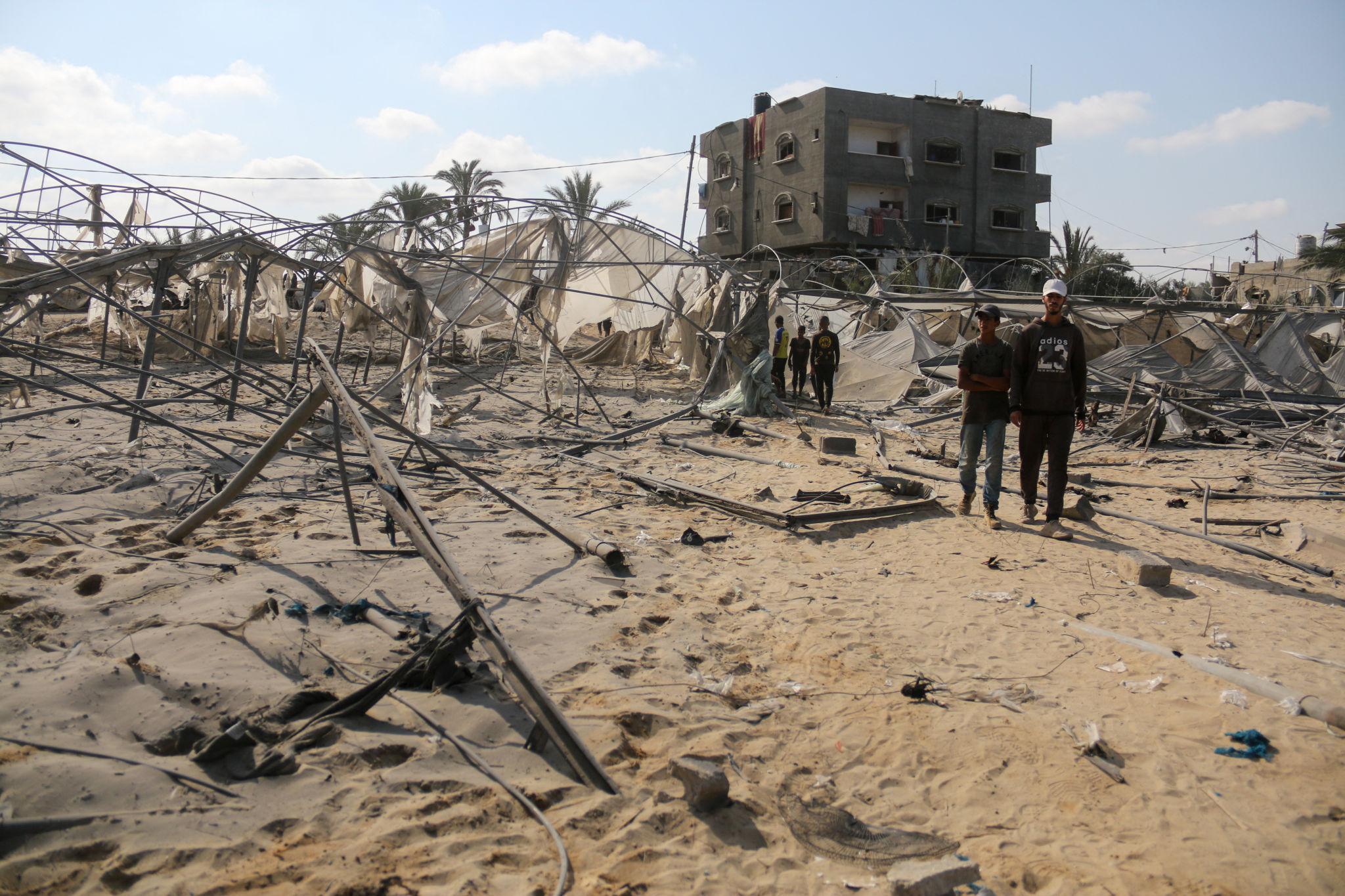
As the Middle East ceasefire debate continues, the humanitarian consequences of prolonged conflict are becoming more severe. Civilians in affected regions face displacement, limited access to essential services, and constant threats to their safety.
Aid organizations warn that without a ceasefire, the situation could deteriorate rapidly, leading to a deeper humanitarian crisis. Delivering assistance remains difficult in active conflict zones.
Broader Geopolitical Implications
The Middle East ceasefire debate also reflects wider geopolitical tensions involving Iran, Israel, and other regional actors. The risk of escalation beyond localized conflicts has raised concerns among global powers.
Policy discussions in Western countries are increasingly focused on how to respond to Iran’s position while avoiding further destabilization.
Balancing Diplomacy and Security
A central challenge in the Middle East ceasefire debate is finding a balance between diplomatic efforts and security requirements. Iran’s reluctance highlights the difficulty of negotiating agreements that address both immediate humanitarian needs and long-term strategic concerns.
Experts suggest that effective ceasefire agreements must include monitoring mechanisms and clear enforcement provisions to build trust among conflicting parties.
What Comes Next?
As the Middle East ceasefire debate evolves, attention will turn to whether diplomatic efforts can produce a compromise acceptable to all sides. The coming weeks will be critical in determining whether tensions can be reduced or if the conflict will escalate further.
Observers warn that without progress, the risk of broader regional instability remains high.
What We Know So Far
The Middle East ceasefire debate has intensified following Iran’s rejection of a truce over concerns that it could allow adversaries to regroup. While international pressure for a ceasefire continues, significant obstacles remain. The situation underscores the complexity of balancing humanitarian needs with national security priorities in an increasingly volatile region.
