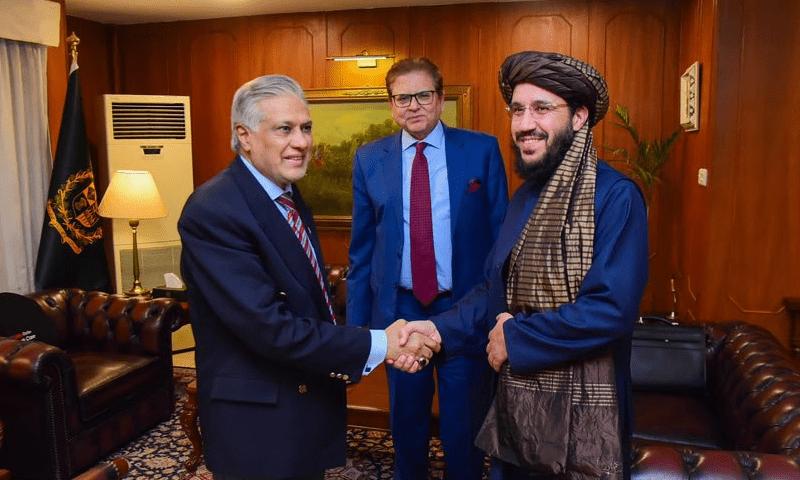
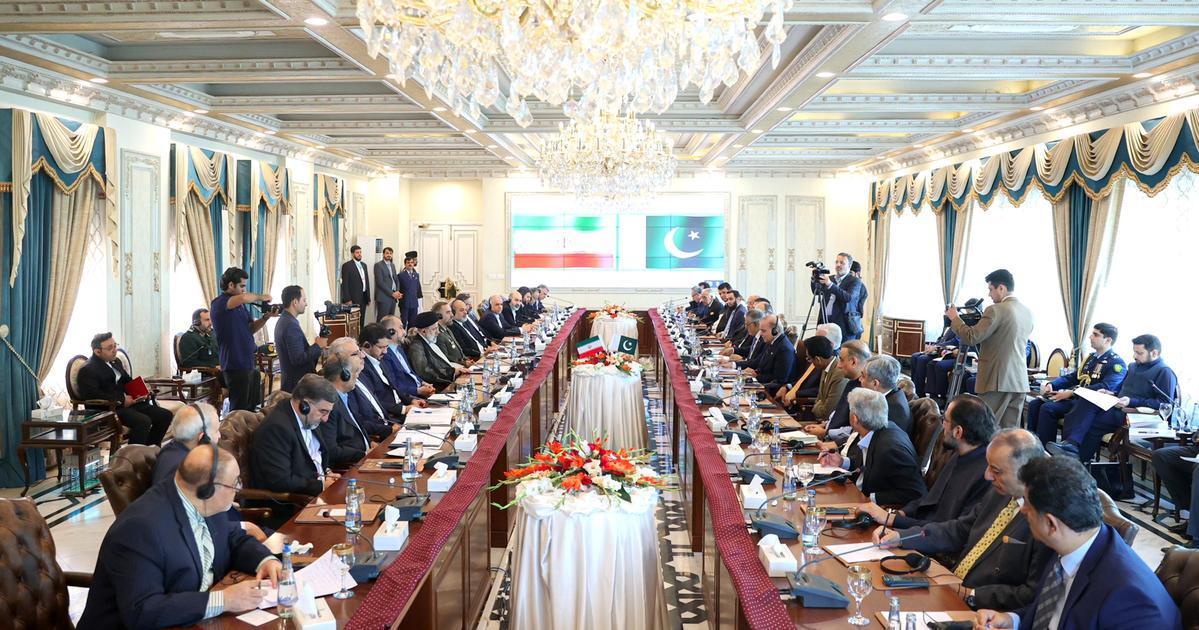
ISLAMABAD, April 11, 2026 (Parliament Politics Magazine) Pakistan diplomatic role is taking center stage in Islamabad, April 2026, as the country hosts what officials describe as the highest-level talks since the 1979 Islamic Revolution. The meeting has drawn international focus, reflecting a growing recognition of Pakistan’s influence in facilitating dialogue between major global players.
The talks come at a time of heightened geopolitical tensions, particularly involving Iran and the United States. Analysts suggest the Islamabad gathering could help open new channels for communication and reduce risks of further escalation.
Why Pakistan’s Role Is Becoming More Important
Over the past decade, Pakistan diplomatic role has evolved significantly. Positioned at a strategic crossroads between South Asia and the Middle East, the country has increasingly acted as a bridge in complex international negotiations.
The current talks underscore how Pakistan diplomatic role is no longer limited to regional matters but is expanding into global diplomacy. Its ability to host sensitive discussions highlights trust from multiple parties despite ongoing tensions.
Experts believe this shift reflects broader changes in international relations, where neutral facilitators are becoming more critical than ever.
Strategic Importance of the Islamabad Meeting
The Islamabad talks represent a rare moment of engagement at the highest levels. For many observers, Pakistan diplomatic role in hosting such discussions signals a willingness among global powers to explore diplomatic solutions.
Key objectives of the meeting include:
- Reducing tensions between rival nations
- Establishing communication channels
- Exploring long-term stability frameworks
By providing a neutral platform, Pakistan diplomatic role is helping create an environment where dialogue can take precedence over confrontation.
Connection to Longstanding Global Tensions
The shadow of the 1979 Islamic Revolution still influences relations between Iran and the United States. Decades of mistrust have made direct engagement rare, increasing the importance of third-party facilitators.
Pakistan diplomatic role is particularly significant in this context, as it offers a pathway for indirect dialogue without immediate political pressure. This approach may help reduce barriers that have historically prevented meaningful progress.
Economic and Security Implications
The outcome of these talks could have wide-ranging implications. Stability in regions affected by ongoing tensions often influences global markets, especially energy prices and trade routes.
Pakistan diplomatic role in facilitating discussions may contribute to:
- Improved regional security
- Greater economic predictability
- Enhanced investor confidence
If successful, the talks could reinforce Pakistan’s position as a key diplomatic hub in future negotiations.
Challenges Facing the Diplomatic Effort
Despite optimism, several challenges remain. Deep-rooted political differences and competing interests continue to complicate negotiations.
Pakistan diplomatic role must navigate:
- Historical mistrust between key participants
- Ongoing regional conflicts
- Domestic political pressures within involved nations
These factors highlight the complexity of achieving meaningful outcomes, even with high-level engagement.
Global Reactions to Pakistan’s Growing Influence
International observers have responded positively to Pakistan’s efforts. Many see Pakistan diplomatic role as a stabilizing force in an increasingly uncertain global environment.
Governments and organizations have expressed cautious optimism, noting that dialogue remains essential to preventing further escalation. However, expectations remain measured, given the history of stalled negotiations.
Potential Outcomes of the Talks
Several scenarios could emerge from the discussions:
- Establishment of ongoing diplomatic frameworks
- Agreements on specific issues
- Limited progress with continued dialogue
- Breakdown of talks without immediate results
In each case, Pakistan diplomatic role will likely remain central to future efforts, particularly if follow-up meetings are planned.
What This Means for Global Diplomacy
The Islamabad meeting highlights how middle-power nations can play a crucial role in shaping global outcomes. Pakistan diplomatic role demonstrates that influence in international relations is not limited to major powers alone.
By facilitating dialogue, Pakistan is helping create opportunities for de-escalation and cooperation, even in highly complex situations.
What Happens Next After the Talks?
The next phase will depend on the outcomes achieved during the meeting. Observers will look for signs of continued engagement, including follow-up discussions and policy changes.
Pakistan diplomatic role is expected to remain active, particularly if the talks lead to new diplomatic initiatives or agreements.
What This Means for the Future of Global Stability
The long-term impact of these talks could extend beyond immediate outcomes. If successful, they may set a precedent for resolving conflicts through dialogue rather than confrontation.
Pakistan diplomatic role could become even more influential, positioning the country as a key player in global diplomacy for years to come.
What This Means for Pakistan Diplomatic Role
Pakistan diplomatic role is emerging as a critical force in global diplomacy, with Islamabad hosting the highest-level talks since 1979. As tensions remain high, the success of these discussions could influence regional stability and international relations. While challenges persist, the meeting represents a significant step toward renewed dialogue and potential de-escalation.