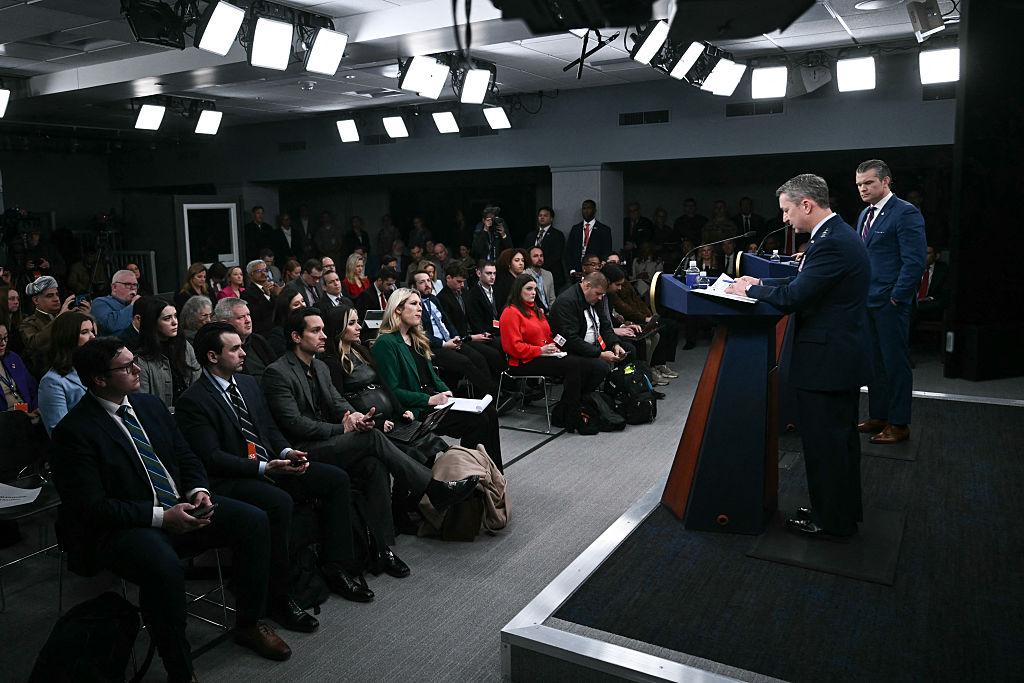
Tehran, April 11, 2026 (Parliament Politics Magazine) Iran US conflict escalation rhetoric intensified in 2026 as Iran’s leadership publicly urged the United States to adopt an “America First” approach instead of prioritizing foreign alliances. The statement comes during a critical phase of the ongoing conflict, where both military and diplomatic tensions remain high.
Tehran’s leadership framed the message as a direct appeal to American policymakers and citizens, arguing that U.S. involvement in overseas conflicts is weakening its domestic strength. The remarks coincide with fragile ceasefire negotiations and continued geopolitical uncertainty.
A senior Iranian official stated,
“America must choose whether it stands with its own people or continues to fight costly wars abroad that do not serve its future.”
Rising Tensions Fuel Global Uncertainty
The Iran US conflict escalation is part of a broader geopolitical crisis that began earlier in 2026 when U.S. and allied forces launched large-scale strikes targeting Iranian military infrastructure.
Since then, the conflict has triggered retaliatory actions, including missile strikes and disruptions in critical shipping routes such as the Strait of Hormuz, a vital artery for global oil supply.
Recent developments show that while military capabilities on both sides have been impacted, the threat remains significant. Intelligence assessments indicate Iran still retains thousands of missiles despite sustained strikes.
This ongoing uncertainty has made the situation one of the most closely watched global conflicts of the year.
Strategic Messaging Behind “America First”
The Iran US conflict escalation narrative reflects a calculated communication strategy. By invoking the phrase “America First,” Iran’s leadership is targeting a deeply rooted political concept within the United States.
Analysts believe this approach is designed to influence public opinion by highlighting the economic and human costs of prolonged foreign engagements. The messaging attempts to draw a contrast between domestic priorities and international commitments.
One geopolitical expert explained,
“This is a strategic attempt to turn internal U.S. debates into external pressure points. It is about shaping perception as much as policy.”
Economic Impact and Energy Market Shock
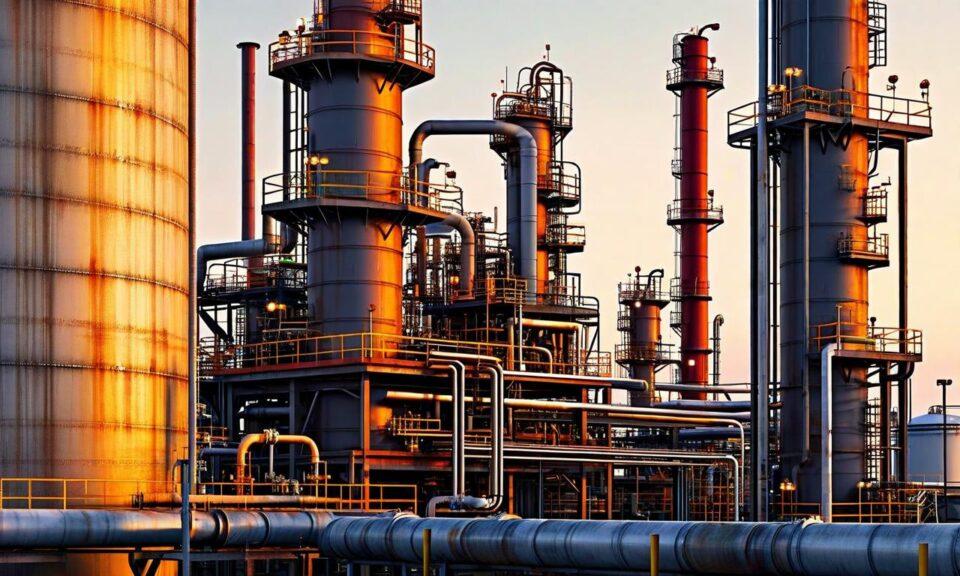
The Iran US conflict escalation has already had a measurable impact on global markets, particularly in energy. Oil prices surged following disruptions in the Strait of Hormuz, with fuel costs contributing to inflationary pressures worldwide.
Experts warn that the conflict could reshape global energy dynamics, potentially creating a long-term shift in how oil markets operate.
The economic consequences extend beyond energy, affecting consumer confidence, trade, and investment decisions. Businesses and governments alike are bracing for continued volatility as the situation evolves.
Diplomatic Efforts Struggle to Contain Crisis
Despite rising tensions, diplomatic efforts are ongoing. High-level talks between U.S. and Iranian officials are being facilitated through international intermediaries, including recent negotiations hosted in Pakistan.
A temporary ceasefire agreement has offered a brief window for dialogue, but violations and continued military actions have raised doubts about its durability.
European leaders and international organizations have called for restraint, emphasizing the need for a long-term diplomatic solution. However, the tone from both Washington and Tehran suggests that significant challenges remain.
Domestic Debate Intensifies in the United States
The Iran US conflict escalation is also influencing political discourse within the United States. As economic pressures mount, including rising fuel costs and inflation, questions are being raised about the sustainability of current foreign policy strategies.
Critics argue that resources should be redirected toward domestic priorities, while supporters maintain that global engagement is essential for national security.
Iran’s messaging appears to be amplifying these divisions, positioning the conflict as a test of American priorities.
Military Posturing and Future Risks
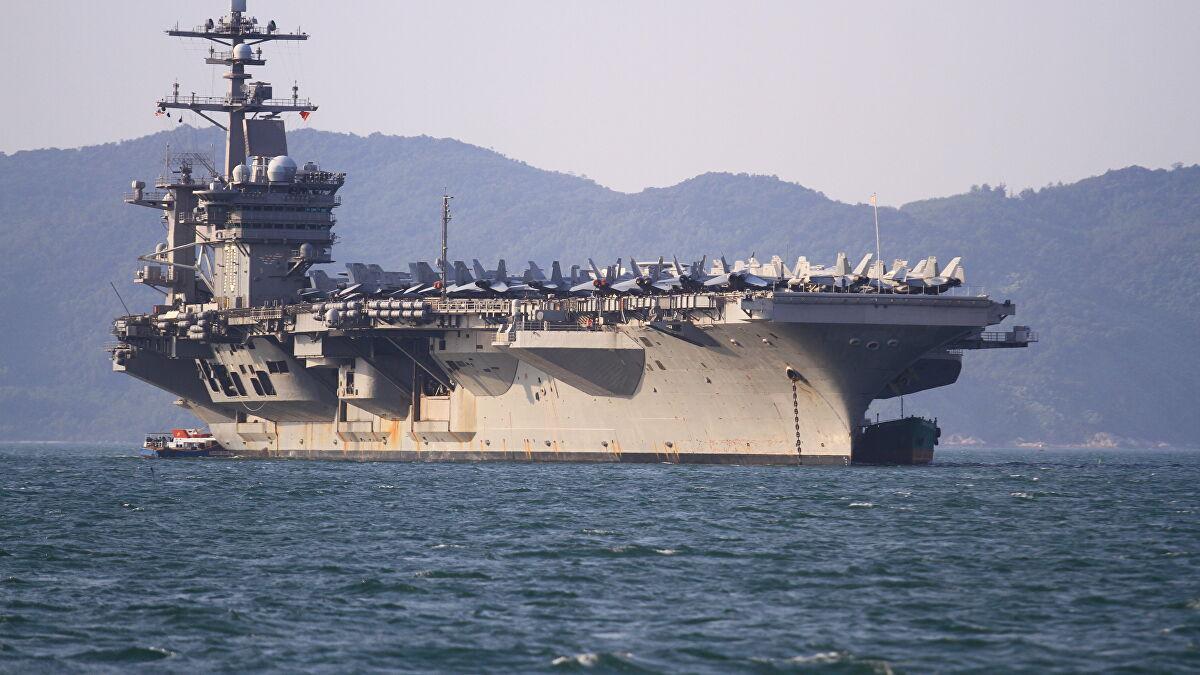
Military developments continue to shape the trajectory of the Iran US conflict escalation. Reports indicate that the U.S. is preparing contingency plans for further action if negotiations fail, signaling that the situation remains highly volatile.
At the same time, Iran’s remaining military capabilities and regional alliances ensure that the conflict cannot be easily contained. The risk of escalation into a broader regional or even global confrontation remains a key concern for analysts.
Global Reactions and Strategic Realignment
The international response to the Iran US conflict escalation has been mixed. Some allies have expressed support for U.S. actions, while others have voiced concerns about the potential consequences.
European officials have warned that the conflict could undermine global stability and weaken Western alliances.
Meanwhile, countries heavily dependent on Middle Eastern energy supplies are closely monitoring developments, as disruptions could have far-reaching economic effects.
What Comes Next in Iran US Conflict Escalation?
Looking ahead, the direction of the Iran US conflict escalation will depend on several key factors:
- The success or failure of ongoing ceasefire negotiations
- Future military actions by either side
- Economic pressures influencing policy decisions
- Public opinion within the United States and allied nations
Each of these elements will play a critical role in shaping the next phase of the conflict.
A Critical Turning Point
The Iran US conflict escalation represents a defining moment in global geopolitics. Iran’s call for an “America First” approach adds a new layer to an already complex crisis, blending military tension with strategic messaging.
As the conflict continues to unfold, its impact will extend far beyond the Middle East, influencing global markets, political debates, and international relations.
For now, the world remains on edge, watching closely to see whether diplomacy can prevail or whether tensions will escalate further.