

Beirut, April 13, 2026 (Parliament Politics Magazine) Lebanon Israel conflict update highlights a critical shift in diplomatic positioning, as Lebanese officials insist that a complete halt to hostilities must come before any peace negotiations with Israel can begin. The statement reflects growing urgency to stabilize the region amid rising cross-border tensions.
Lebanon’s leadership has made it clear that continued violence undermines any potential for meaningful dialogue. Officials argue that trust cannot be built while military activity persists along the border.
“We cannot talk about peace while conflict continues,”
a senior minister stated, reinforcing Lebanon’s stance.
Diplomacy Hinges on Ending Violence
The latest Lebanon Israel conflict update underscores the importance of a ceasefire as a foundation for diplomacy. Experts note that without a halt in hostilities, negotiations risk becoming symbolic rather than productive.
Diplomatic history suggests that ceasefires are often necessary to create conditions for serious discussions. By reducing immediate threats, both sides can focus on long-term solutions rather than short-term survival.
A regional analyst explained,
“A ceasefire is the first real step toward any lasting peace.”
Tensions Continue to Rise Along the Border
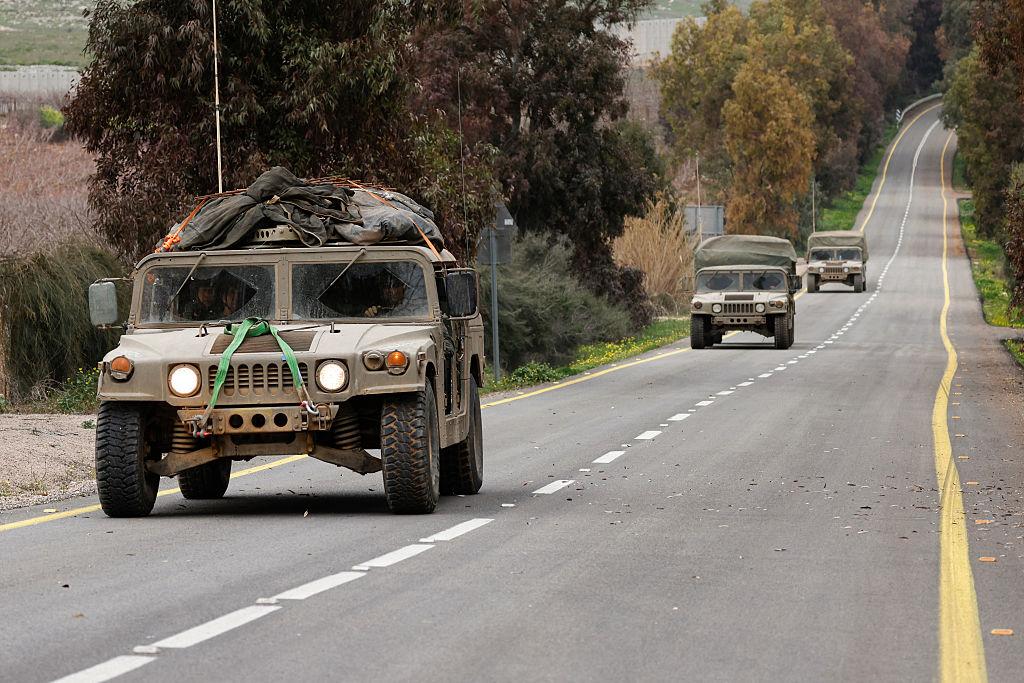
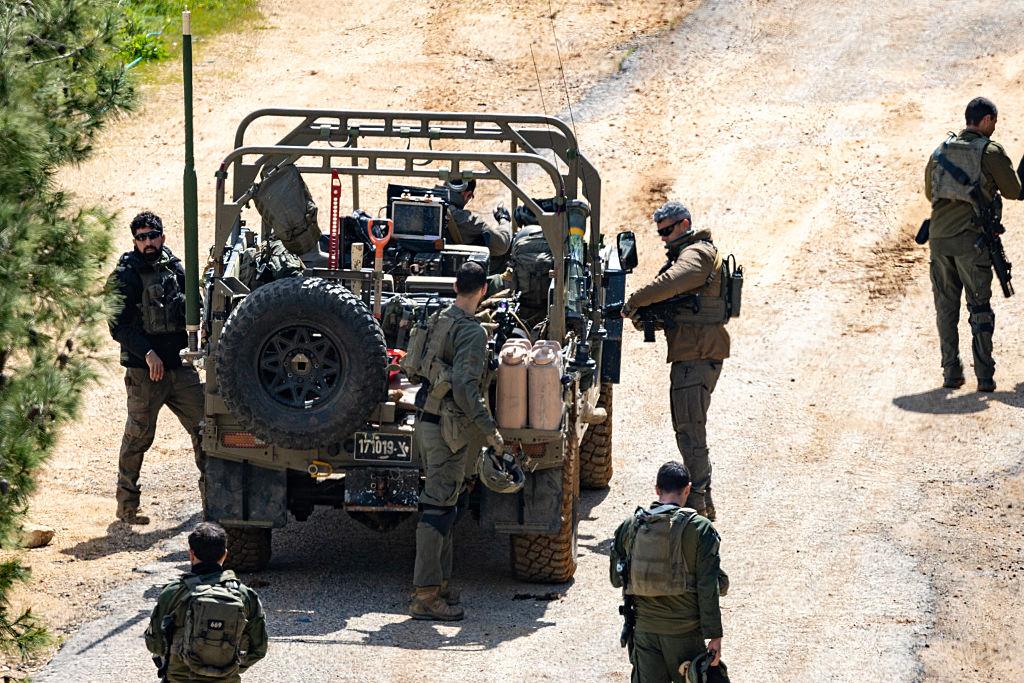
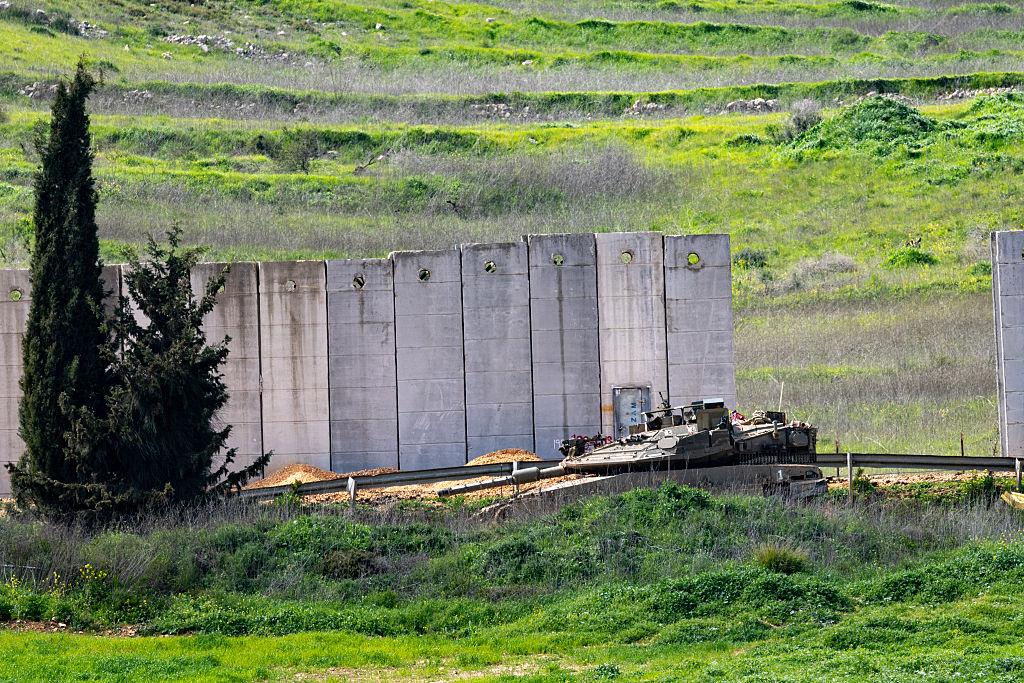
Despite calls for calm, the Lebanon Israel conflict update indicates that tensions remain high. Reports of increased military activity have heightened concerns about the potential for escalation.
Analysts warn that even limited incidents could trigger broader conflict, given the fragile nature of the situation. Both sides face internal pressures that complicate efforts to de-escalate.
The international community is closely monitoring developments, urging restraint and emphasizing the risks of continued confrontation.
Regional Impact and Global Attention
The Lebanon Israel conflict update has drawn significant global attention due to its potential impact on regional stability. The Middle East remains a critical area for global security, and any escalation could have far-reaching consequences.
Neighboring countries are watching closely, aware that instability in Lebanon could spill over into other areas. Global powers are also engaged, recognizing the importance of maintaining balance in the region.
The situation highlights the interconnected nature of modern geopolitics, where local conflicts can quickly become international concerns.
International Mediation Efforts Intensify
In response to the evolving Lebanon Israel conflict update, international mediators are stepping up efforts to facilitate dialogue. These initiatives aim to establish a ceasefire and create conditions for negotiations.
Diplomatic efforts often involve complex negotiations, confidence-building measures, and coordination among multiple stakeholders. While progress may be slow, these efforts are critical for preventing further escalation.
A European diplomat noted,
“Dialogue remains the only viable path to stability.”
Humanitarian Concerns Add Urgency
The ongoing Lebanon Israel conflict update is also marked by growing humanitarian concerns. Continued hostilities have disrupted civilian life, creating challenges for communities in affected areas.
Humanitarian organizations emphasize the need for immediate relief efforts, which are often hindered by ongoing conflict. A ceasefire would enable aid delivery and support recovery initiatives.
“Every delay in peace increases the human cost,”
a relief worker said.
Economic Pressures Mount Amid Instability
The Lebanon Israel conflict update also reflects economic pressures caused by prolonged instability. Businesses face uncertainty, while consumers deal with rising costs and limited opportunities.
Regional trade and investment are affected, adding to existing economic challenges. Energy markets are particularly sensitive, with geopolitical tensions influencing prices and supply chains.
Economic stability is closely tied to security, making a ceasefire even more critical.
Public Sentiment Calls for Peace
Public reaction to the Lebanon Israel conflict update shows strong support for a halt to hostilities. Citizens in Lebanon are calling for peace and stability, urging leaders to prioritize diplomatic solutions.
Political leaders face pressure to respond to these concerns while navigating complex regional dynamics. Balancing domestic expectations with international realities remains a significant challenge.
The widespread desire for peace underscores the importance of continued diplomatic efforts.
Path Forward for Peace Talks
The Lebanon Israel conflict update suggests that achieving a ceasefire is essential for moving toward peace talks. Officials emphasize that negotiations must be built on a foundation of stability and trust.
While challenges remain, there is cautious optimism that progress can be made if hostilities cease. International support will play a key role in facilitating dialogue and ensuring that agreements are sustainable.
The coming weeks will be critical in determining whether the situation moves toward resolution or further escalation.
Ceasefire as the Key to Progress
The latest Lebanon Israel conflict update makes one point clear: a halt to hostilities is the first step toward peace. Lebanon’s leadership has emphasized that negotiations cannot succeed without stability.
As tensions persist, global leaders continue to call for restraint and dialogue. The outcome of these efforts will shape the future of the region and determine whether peace is achievable.
