Tehran, Iran, April 13, 2026 (Parliament Politics Magazine) Iran sanctions impact economy in 2026 as escalating tensions in the Strait of Hormuz continue to disrupt global trade and energy flows. The ongoing conflict involving the United States Government and Iran has intensified economic pressure, yet Tehran has demonstrated notable resilience.
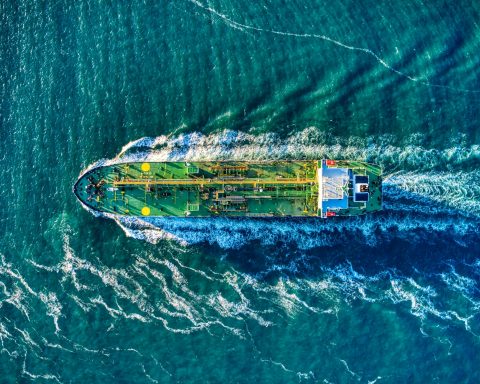
Despite strict sanctions targeting oil exports and financial systems, Iran’s strategic location along one of the world’s most vital shipping lanes has helped offset economic isolation. The Strait of Hormuz, which carries nearly one-fifth of global oil supply, remains central to both Iran’s survival and global economic stability.
Strategic Oil Routes Drive Economic Leverage
Iran sanctions impact economy through restrictions on exports, but geography continues to provide leverage. The Strait of Hormuz remains a critical artery for energy shipments, linking the Persian Gulf to global markets.
Even amid conflict, Iranian oil shipments have continued to flow at near-normal levels compared to disruptions affecting other regional exporters. This imbalance has allowed Iran to maintain revenue streams while competitors face logistical challenges.
Countries like China and India depend heavily on oil passing through this route, making any disruption a global concern. As a result, Iran retains indirect influence over pricing and supply stability.
Sanctions Pressure and Economic Adaptation
Iran sanctions impact economy by limiting access to global banking systems, reducing foreign investment, and restricting oil exports. Historically, these measures have led to inflation, currency devaluation, and reduced economic growth.
However, Iran has adapted by developing alternative trade mechanisms. These include discounted oil sales, regional partnerships, and indirect shipping strategies designed to bypass sanctions enforcement.
A regional economic analyst explained:
“Sanctions weaken Iran’s economy, but they don’t eliminate its ability to trade. The system adapts, and geography plays a critical role in that survival.”
This adaptability has allowed Iran to sustain economic activity even under sustained pressure.
Energy Market Shock and Rising Prices
Iran sanctions impact economy while also influencing global energy prices. The conflict and potential closure of the Strait of Hormuz have created one of the largest supply disruptions in modern history.
Oil prices have surged dramatically, with some projections indicating prices could exceed $100 per barrel or higher during prolonged disruptions. The broader impact includes inflation, increased transportation costs, and rising prices for essential goods.
Global markets have reacted sharply to these developments, with stock indices declining and energy companies benefiting from price increases.
Military Control and Economic Influence
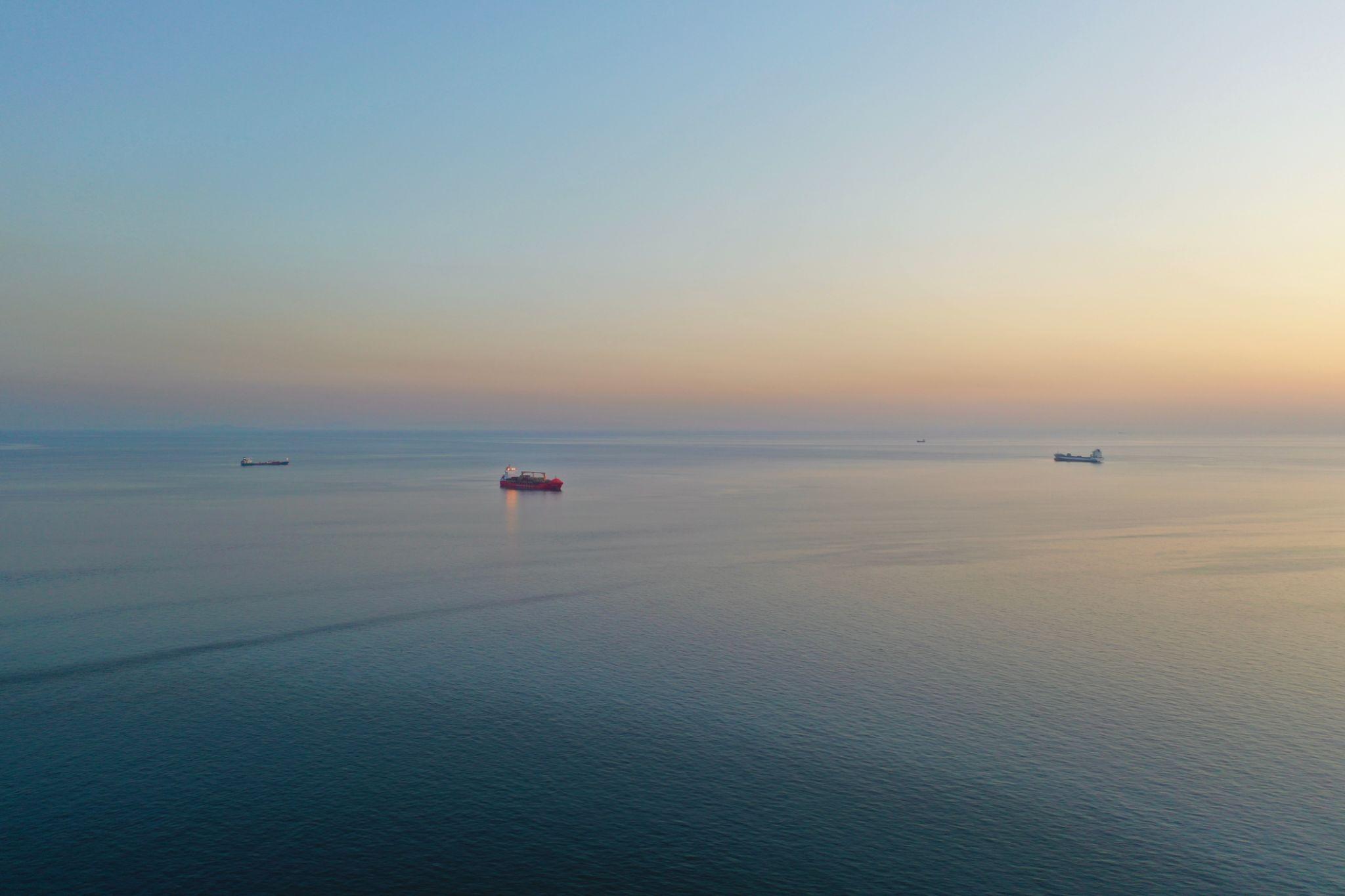
Iran sanctions impact economy in ways that extend beyond financial systems. Iran’s military presence, particularly through the Islamic Revolutionary Guard Corps, strengthens its ability to control maritime activity.
Recent developments show Iran’s ability to disrupt shipping using drones, mines, and fast attack vessels, significantly affecting global trade flows. This capability creates uncertainty, which in turn drives oil prices higher.
Even without full closure of the strait, the threat of disruption acts as a powerful economic tool.
Global Economic Ripple Effects
Iran sanctions impact economy not only domestically but also globally. The disruption of oil and gas supplies has triggered inflationary pressures across multiple regions.
Asian economies, heavily dependent on Middle Eastern energy imports, face immediate risks. Around 80% of Asia’s oil imports pass through the Strait of Hormuz, making the region particularly vulnerable.
The consequences extend beyond energy. Rising fuel costs increase transportation expenses, affecting supply chains and raising the cost of goods worldwide. Fertilizer markets and food prices have also been impacted, amplifying economic stress.
Diplomatic Efforts and Uncertain Outcomes
Iran sanctions impact economy amid ongoing diplomatic efforts to stabilize the region. International organizations such as the United Nations continue to call for de-escalation and secure shipping routes.
However, negotiations have faced setbacks. Recent tensions, including threats of blockades and military escalation, have kept markets on edge and limited progress toward long-term stability.
The uncertainty surrounding diplomatic outcomes continues to weigh heavily on both regional and global economic forecasts.
Long Term Economic Outlook
Iran sanctions impact economy in both immediate and long-term ways. While sanctions have reduced economic growth and investment, Iran’s strategic position ensures continued relevance in global energy discussions.
However, prolonged conflict could lead to structural changes in global energy markets. Countries may accelerate efforts to diversify energy sources or invest in alternative routes that bypass the Strait of Hormuz.
At the same time, renewable energy transitions could gradually reduce reliance on oil, potentially diminishing the strait’s strategic importance over time.
Key Takeaways for Global Markets
Iran sanctions impact economy by combining financial pressure with geopolitical leverage. Despite sanctions, Iran has demonstrated resilience through strategic positioning and adaptive trade practices.
The Strait of Hormuz remains central to this dynamic, influencing oil prices, global trade, and economic stability. While sanctions continue to strain Iran’s economy, they have not eliminated its ability to exert influence.
In summary: Iran’s economy faces ongoing challenges, but its geographic advantage and control over critical energy routes ensure it remains a key player in global markets. As tensions evolve, the economic consequences will continue to ripple far beyond the region.