


Beirut, Lebanon, April 13, 2026 (Parliament Politics Magazine) Middle East war risk analysis in points to growing concern as Lebanese officials emphasize halting hostilities before entering any peace negotiations with Israel. With tensions escalating along the southern border, Lebanon’s leadership is prioritizing immediate ceasefire efforts to prevent further deterioration.
The current environment reflects a fragile balance between military escalation and diplomatic opportunity. Analysts warn that without swift de-escalation, the region could face a broader conflict with far-reaching consequences.
Rising Border Tensions Fuel Regional Concerns
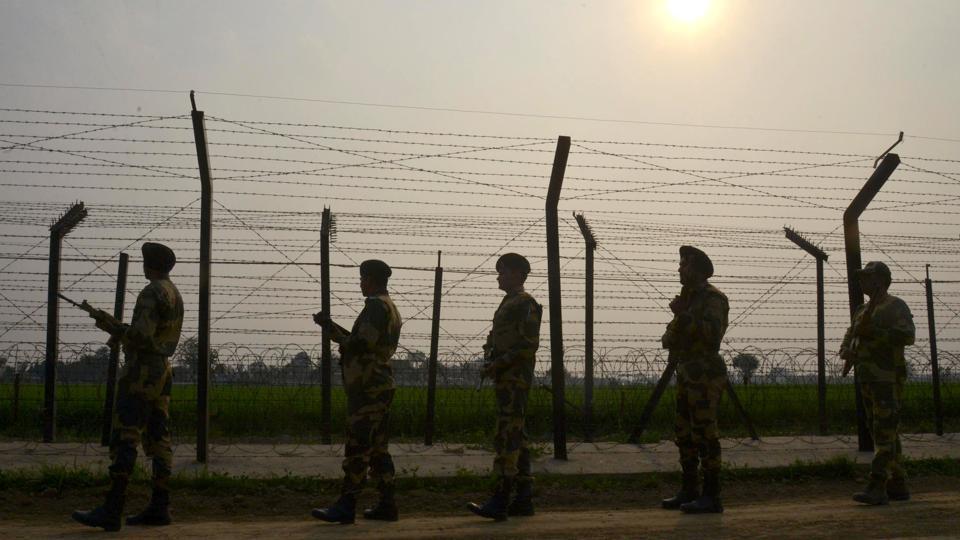
Middle East war risk analysis highlights increasing instability along Lebanon’s southern frontier. Frequent exchanges of fire and military responses have heightened fears of a wider confrontation.
The involvement of Hezbollah has intensified the situation, as Israel continues targeted operations in response. This cycle of action and retaliation has made the security environment increasingly unpredictable.
Communities near the border are bearing the brunt of the escalation, with displacement and disruptions becoming more common. The situation underscores the urgency of reducing hostilities before conditions worsen.
Government Strategy: Ceasefire Before Dialogue
Middle East war risk analysis underscores Lebanon’s strategic approach of prioritizing a ceasefire before engaging in peace talks. Officials argue that negotiations conducted amid active conflict are unlikely to succeed.
A senior official stated:
“No meaningful dialogue can take place while violence continues. A ceasefire is the foundation for any credible peace process.”
This position reflects a broader recognition that stability must precede diplomacy to ensure long-term success.
International Diplomatic Pressure Builds
Middle East war risk analysis also reflects growing international concern over the potential for escalation. Organizations such as the United Nations have called for restraint and immediate de-escalation.
Diplomatic efforts are ongoing, with multiple nations attempting to mediate between the parties. However, deep-rooted political differences and security concerns continue to slow progress.
Global leaders have warned that failure to contain the conflict could lead to wider regional instability, affecting not only the Middle East but also global economic conditions.

Humanitarian Impact Worsens
Middle East war risk analysis reveals a deteriorating humanitarian situation in affected areas. Civilians living near conflict zones face increasing challenges, including damage to infrastructure and limited access to essential services.
Relief organizations are working to provide aid, but ongoing hostilities complicate these efforts. Displacement continues to rise, placing additional strain on already limited resources.
The humanitarian dimension adds urgency to calls for a ceasefire, as prolonged conflict could have lasting social consequences.
Economic Strain and Regional Stability
Middle East war risk analysis points to significant economic implications for Lebanon and the broader region. Ongoing tensions have disrupted trade, reduced investor confidence, and placed additional pressure on an already fragile economy.
Regional markets are closely monitoring developments, as any escalation could impact energy supplies and global trade routes. Economic uncertainty is growing, with potential ripple effects across multiple sectors.
Experts warn that sustained instability could hinder recovery efforts and deepen existing economic challenges.
Security Risks and Military Dynamics
Middle East war risk analysis emphasizes the risk of miscalculation as military forces remain on high alert. Both sides have increased their defensive and offensive capabilities, raising the stakes of any confrontation.
Even minor incidents could escalate quickly, highlighting the importance of maintaining communication channels and avoiding unintended escalation.
While military preparedness is necessary, analysts agree that a diplomatic solution remains the most viable path forward.
Prospects for Future Peace Talks
Middle East war risk analysis suggests that peace talks between Lebanon and Israel remain possible but contingent on achieving a ceasefire. Officials have indicated that negotiations could begin once hostilities are halted.
Challenges remain, including political divisions and mutual distrust. Confidence-building measures will be essential to create an environment conducive to dialogue.
Despite these obstacles, there is cautious optimism that sustained diplomatic efforts could lead to progress.
De-Escalation as the Key to Stability
Middle East war risk analysis reinforces the importance of halting hostilities as the first step toward lasting peace. Lebanon’s focus on ceasefire reflects a pragmatic approach to conflict resolution.
The situation remains complex, with security, humanitarian, and economic factors all contributing to the crisis. However, the emphasis on de-escalation provides a pathway toward stability.
In summary: The path to peace in the region begins with reducing violence. Without a ceasefire, the risks of broader conflict will continue to grow, threatening both regional and global stability.
