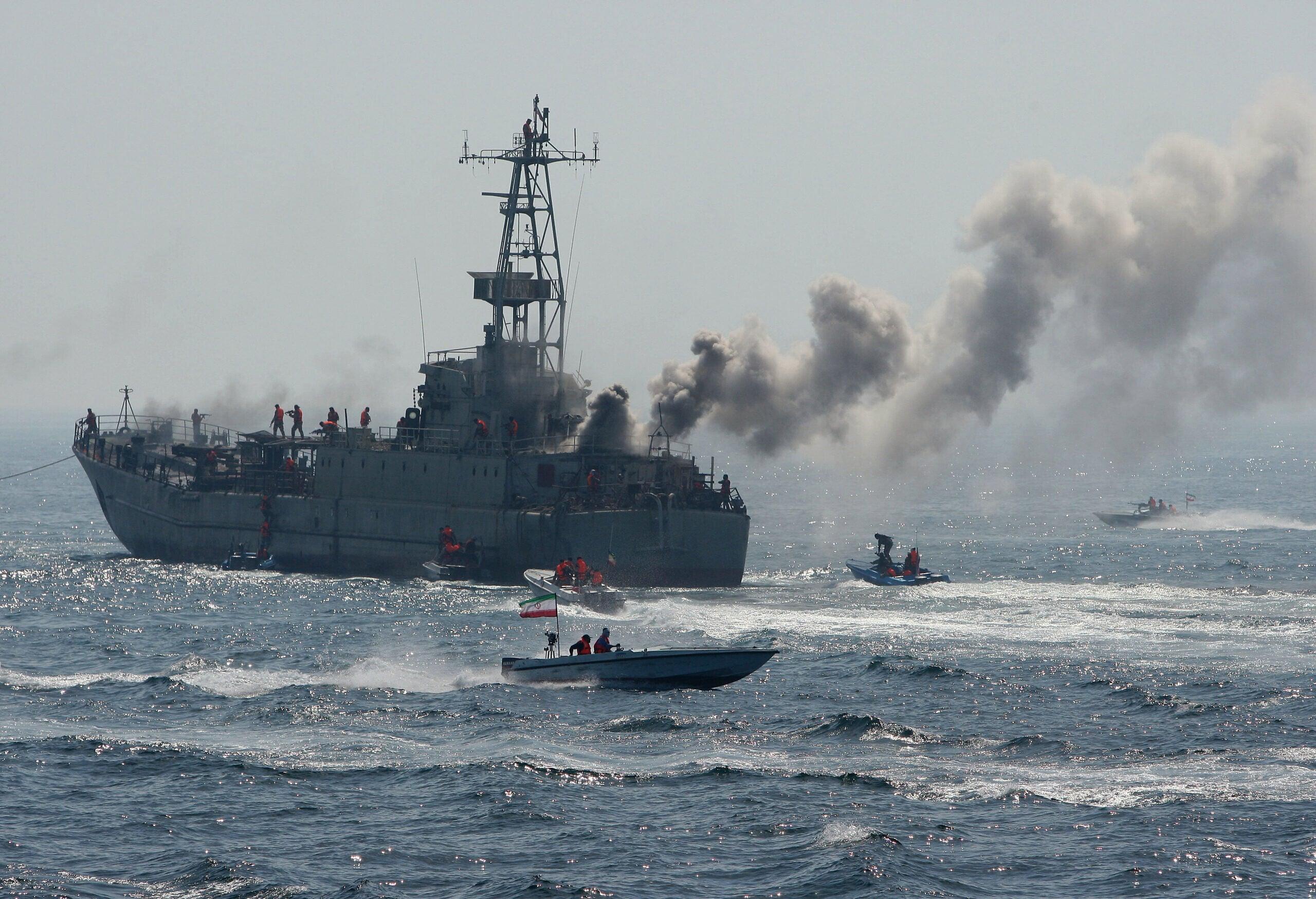
Washington, April 13, 2026 (Parliament Politics Magazine) Middle East maritime conflict is emerging as a defining issue in global geopolitics, with tensions rising sharply between the United States and Iran. At the center of this confrontation lies the Strait of Hormuz, a narrow but vital shipping lane through which a significant portion of the world’s oil supply flows.
The concept of a US-led blockade reflects a broader strategic effort to contain Iranian influence and secure maritime routes. Analysts say the situation is no longer theoretical, as military planning and diplomatic positioning intensify.
A defense expert stated,
“This Middle East maritime conflict is not just regional—it has global economic and security consequences.”
Naval Power and Operational Execution
The backbone of any blockade would be the deployment of advanced naval forces. The United States Navy is expected to play a central role, leveraging its presence in the Persian Gulf to monitor and control maritime traffic.
Key operational elements could include:
- Establishing controlled transit corridors for allied vessels
- Conducting inspections of ships suspected of violating sanctions
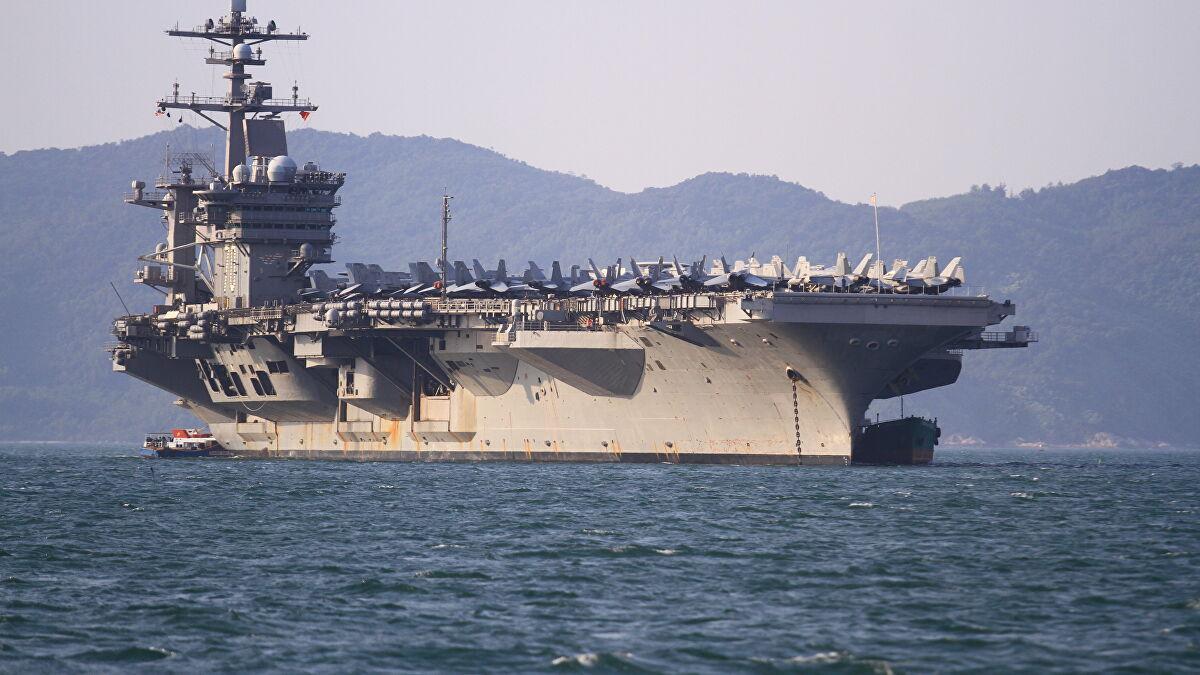
- Maintaining a visible deterrence through aircraft carriers and destroyers
- Utilizing surveillance systems to track maritime movement
Such actions would be designed to assert dominance without immediately triggering direct confrontation, though the risks remain high.
Economic Measures and Financial Leverage
Beyond military strategy, economic tools would be critical in shaping the outcome of the Middle East maritime conflict. The US could expand sanctions targeting Iranian oil exports, shipping networks, and financial institutions.
This approach would aim to:
- Limit Iran’s ability to generate revenue from oil sales
- Discourage international companies from engaging in Iranian trade
- Strengthen the effectiveness of maritime enforcement through financial pressure
Economic restrictions would act as a force multiplier, reinforcing the physical presence of naval forces in the region.
Legal Challenges and Global Reactions
The Strait of Hormuz is classified as an আন্তর্জাতিক waterway, raising complex legal questions about the legitimacy of any blockade. The United Nations is likely to become a central platform for debate.
Countries dependent on oil shipments through the Strait may oppose any disruption, arguing that freedom of navigation must be preserved. Meanwhile, geopolitical rivals could use the situation to challenge US authority on the global stage.
A diplomatic insider noted,
“Legitimacy will define whether this Middle East maritime conflict escalates or stabilizes.”
Iran’s Strategic Response
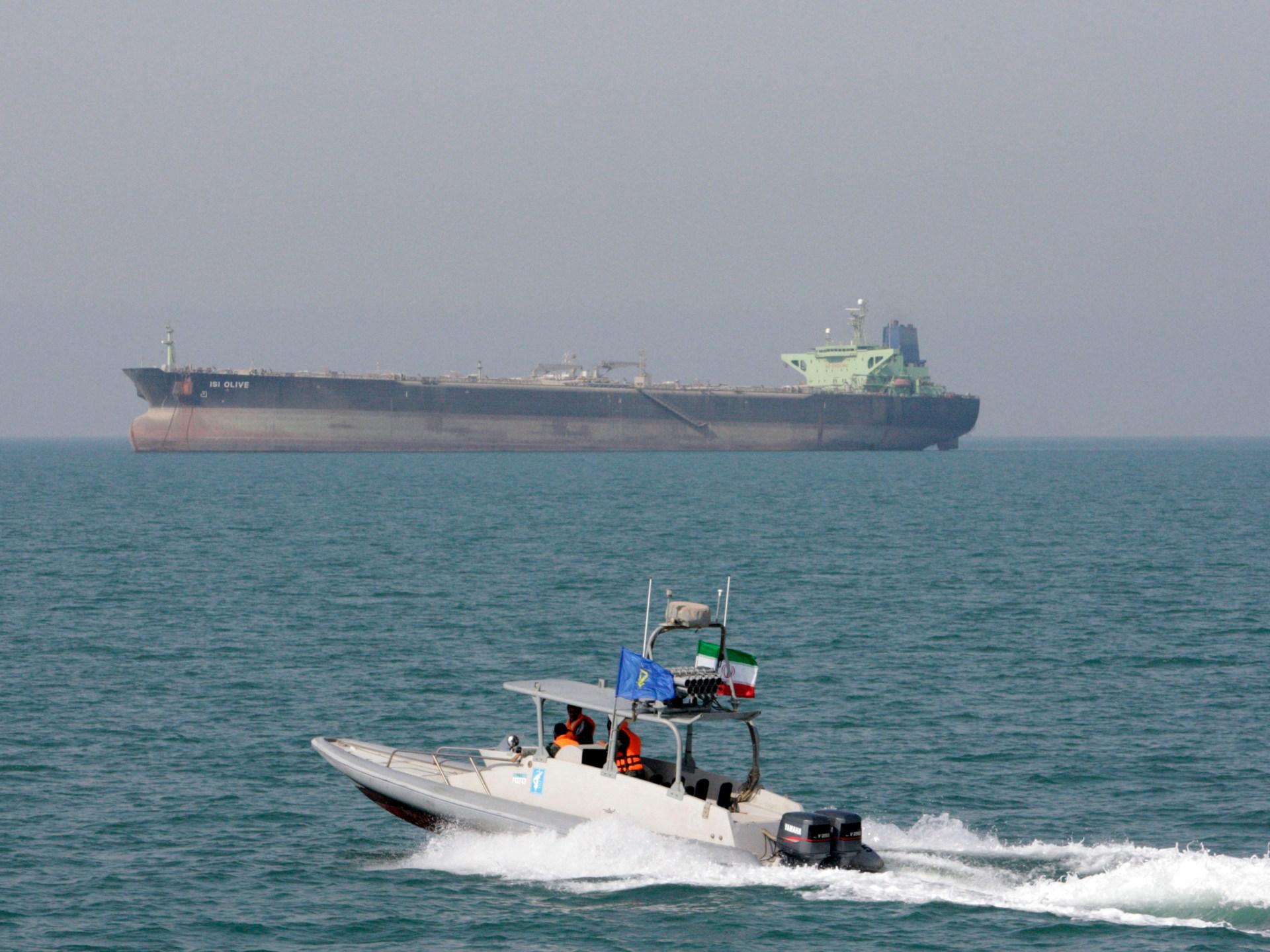
Iran has consistently signaled that it would resist any attempt to control the Strait. Its response strategy is expected to rely on asymmetric warfare tactics, often executed by the Islamic Revolutionary Guard Corps.
Potential responses include:
- Deploying fast-attack boats to harass commercial shipping
- Launching missile systems from coastal positions
- Laying naval mines to disrupt shipping lanes
- Engaging in cyber operations targeting maritime systems
These tactics are designed to create uncertainty and raise the cost of enforcement for US and allied forces.
Impact on Global Energy Markets
The Middle East maritime conflict could have immediate consequences for global energy markets. The Strait of Hormuz handles a large share of international oil shipments, making it a critical point of vulnerability.
Any disruption could lead to:
- Sharp increases in oil prices
- Supply shortages in energy-dependent regions
- Increased shipping and insurance costs
- Market volatility across global financial systems
Countries in Asia and Europe would be particularly affected, given their reliance on Middle Eastern oil exports.
Risk of Military Escalation
The possibility of escalation remains one of the most pressing concerns. Close proximity between naval forces, combined with heightened tensions, increases the risk of miscalculation.
A single incident—such as a vessel interception or missile launch—could rapidly escalate into a broader conflict involving multiple regional actors.
This Middle East maritime conflict therefore carries not only economic risks but also significant security implications.
Strategic Alternatives and Energy Diversification
In anticipation of potential disruptions, countries are exploring alternative routes and energy strategies. These include pipeline expansions, increased storage capacity, and diversification of energy sources.
However, such measures cannot fully replace the strategic importance of the Strait of Hormuz. The ongoing Middle East maritime conflict highlights the vulnerability of global supply chains and the need for long-term solutions.
Domestic Political Considerations
Within the United States, the decision to pursue a blockade is shaping political debate. Supporters argue it demonstrates strength and strategic clarity, while critics warn of prolonged conflict and economic fallout.
The issue reflects broader questions about US foreign policy priorities and the balance between military action and diplomatic engagement.
A Turning Point in Global Security
The Middle East maritime conflict surrounding the Strait of Hormuz represents a critical moment in global affairs. While a blockade could apply pressure on Iran, it also introduces significant risks that extend far beyond the region.
Key Points Summary:
- The Strait of Hormuz remains essential to global oil supply
- The US strategy combines military presence with economic pressure
- Iran is likely to respond with asymmetric tactics
- Global markets face potential instability and price surges
- Legal and diplomatic challenges remain unresolved
As tensions continue to evolve, the outcome of this Middle East maritime conflict could redefine global energy security and geopolitical balance for years to come.