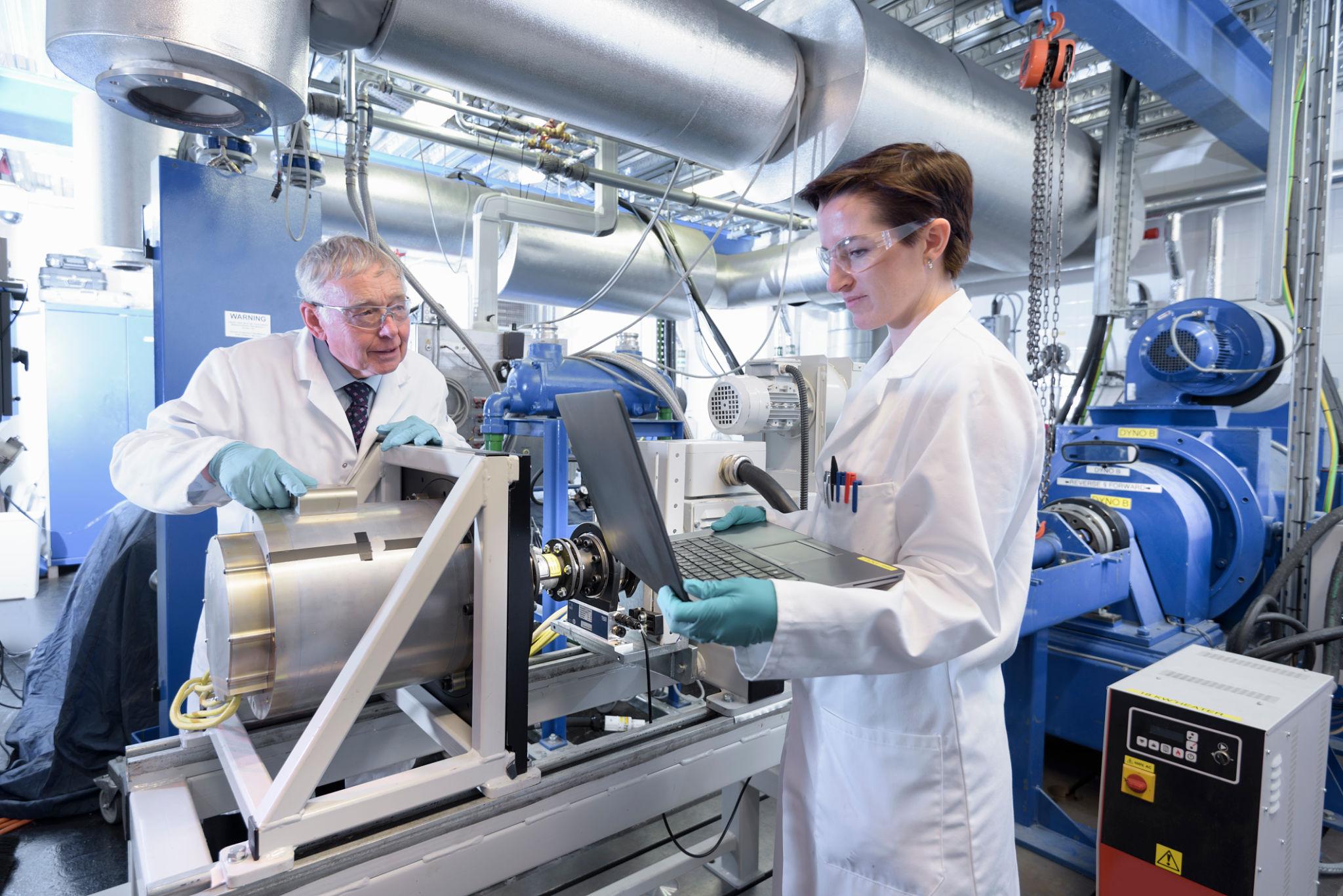
Moscow, Russia, April 14, 2026 (Parliament Politics Magazine) EV battery breakthrough developments are drawing global attention as Nornickel moves to create a new market for palladium through advanced catalyst technology designed for lithium-sulphur batteries. The effort signals a potential transformation in both the electric vehicle sector and the future demand for critical metals.
The initiative comes at a time when traditional uses of palladium—especially in catalytic converters—are expected to decline due to the accelerating shift toward electric mobility. By positioning palladium within next-generation battery systems, the company aims to align itself with the evolving demands of the global energy transition.
Repositioning Palladium in the EV Landscape
EV battery breakthrough research is centered on enhancing lithium-sulphur battery performance, a technology widely viewed as a promising alternative to conventional lithium-ion systems. These batteries offer higher energy density and reduced weight, potentially extending the driving range of electric vehicles.
Nornickel’s approach focuses on using palladium-based catalysts to stabilize chemical reactions inside the battery. This could address long-standing issues such as degradation and limited cycle life, which have hindered widespread adoption.
A company spokesperson stated:
“The future of energy storage depends on innovation. We are exploring how palladium can play a vital role in advancing battery performance.”
Rising Demand for Advanced Battery Solutions
EV battery breakthrough initiatives are being fueled by rapid growth in the global electric vehicle market. Governments worldwide are implementing policies to accelerate EV adoption, increasing demand for more efficient and affordable battery technologies.
Industry analysts suggest that lithium-sulphur batteries could significantly reduce costs while improving vehicle performance. This has intensified competition among companies seeking to lead the next wave of battery innovation.
By entering this space, Nornickel is expanding beyond mining into a more technology-driven role within the EV ecosystem.
Technical Challenges Still Remain
Despite the optimism surrounding EV battery breakthrough developments, lithium-sulphur technology faces several challenges. These include issues related to durability, efficiency, and scalability.
Researchers believe that catalyst-based solutions, such as those being developed by Nornickel, could help overcome these obstacles. However, further testing and refinement will be necessary before the technology can be commercialized on a large scale.
The path to widespread adoption remains uncertain, but progress continues to generate industry interest.
Market Implications for Palladium
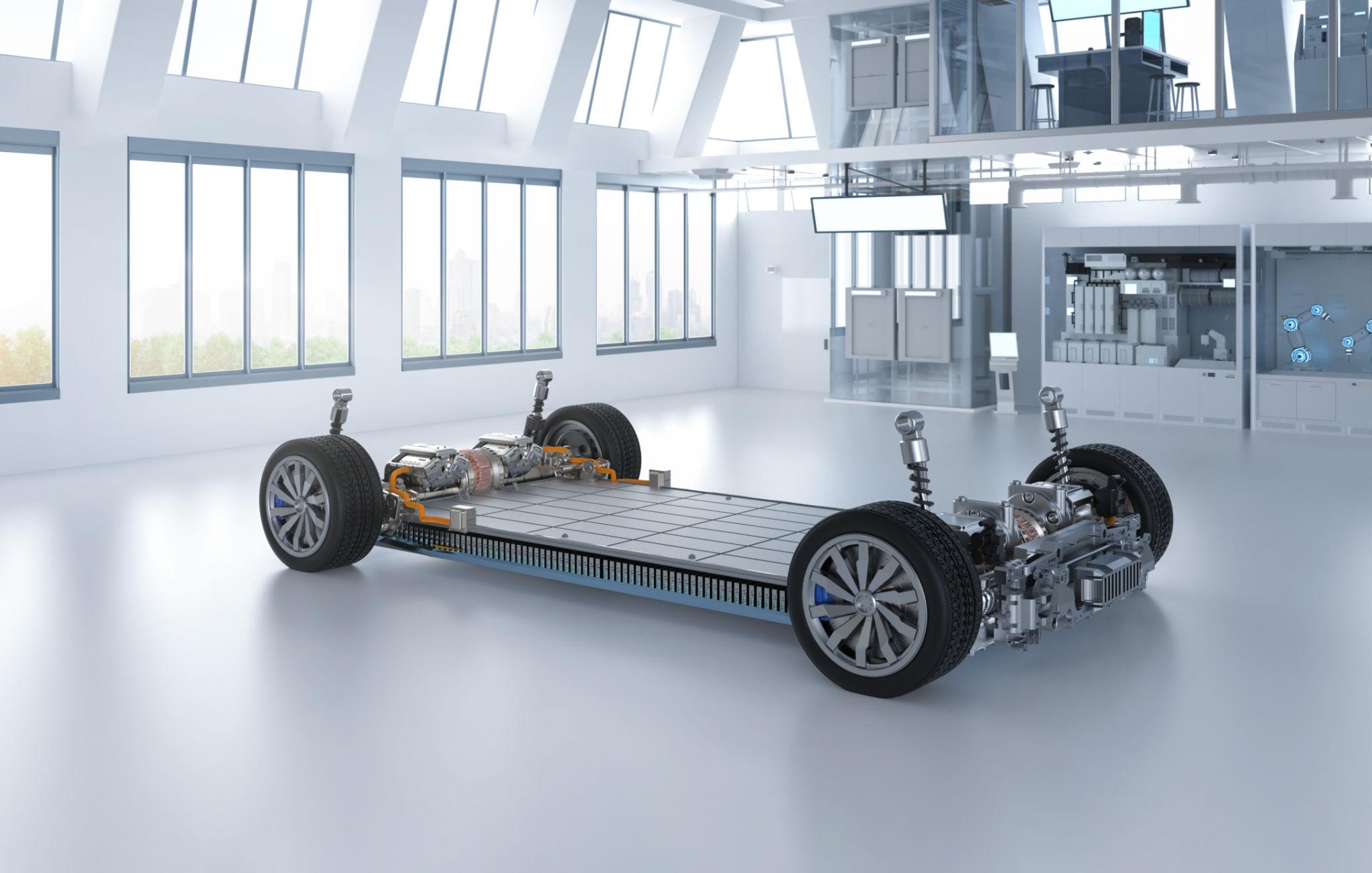
EV battery breakthrough advancements could significantly reshape the global palladium market. As demand from traditional automotive applications declines, new uses in battery technology could provide a critical lifeline for the metal.
Market experts note that diversification is essential for sustaining long-term demand. If lithium-sulphur batteries gain traction, palladium could see renewed relevance in the energy sector.
This shift may also influence investment trends, with increased focus on materials that support the energy transition.
Geopolitical and Supply Chain Factors
EV battery breakthrough strategies are closely tied to global supply chains and geopolitical considerations. Russia, as a leading producer of palladium, plays a key role in determining availability and pricing.
Changes in demand could impact international trade dynamics, particularly as countries seek to secure critical resources for their energy strategies. The development of new applications for palladium adds another layer of complexity to these relationships.
Observers are closely monitoring how these factors will influence future market conditions.
Environmental Impact and Sustainability
EV battery breakthrough innovations are aligned with broader environmental goals. Lithium-sulphur batteries have the potential to reduce reliance on scarce and expensive materials used in current battery technologies.
This could lower production costs and improve sustainability, making electric vehicles more accessible. However, the environmental impact of palladium extraction remains a consideration that must be addressed.
Balancing innovation with sustainability will be essential for long-term success.
Future Outlook for EV Battery Technology
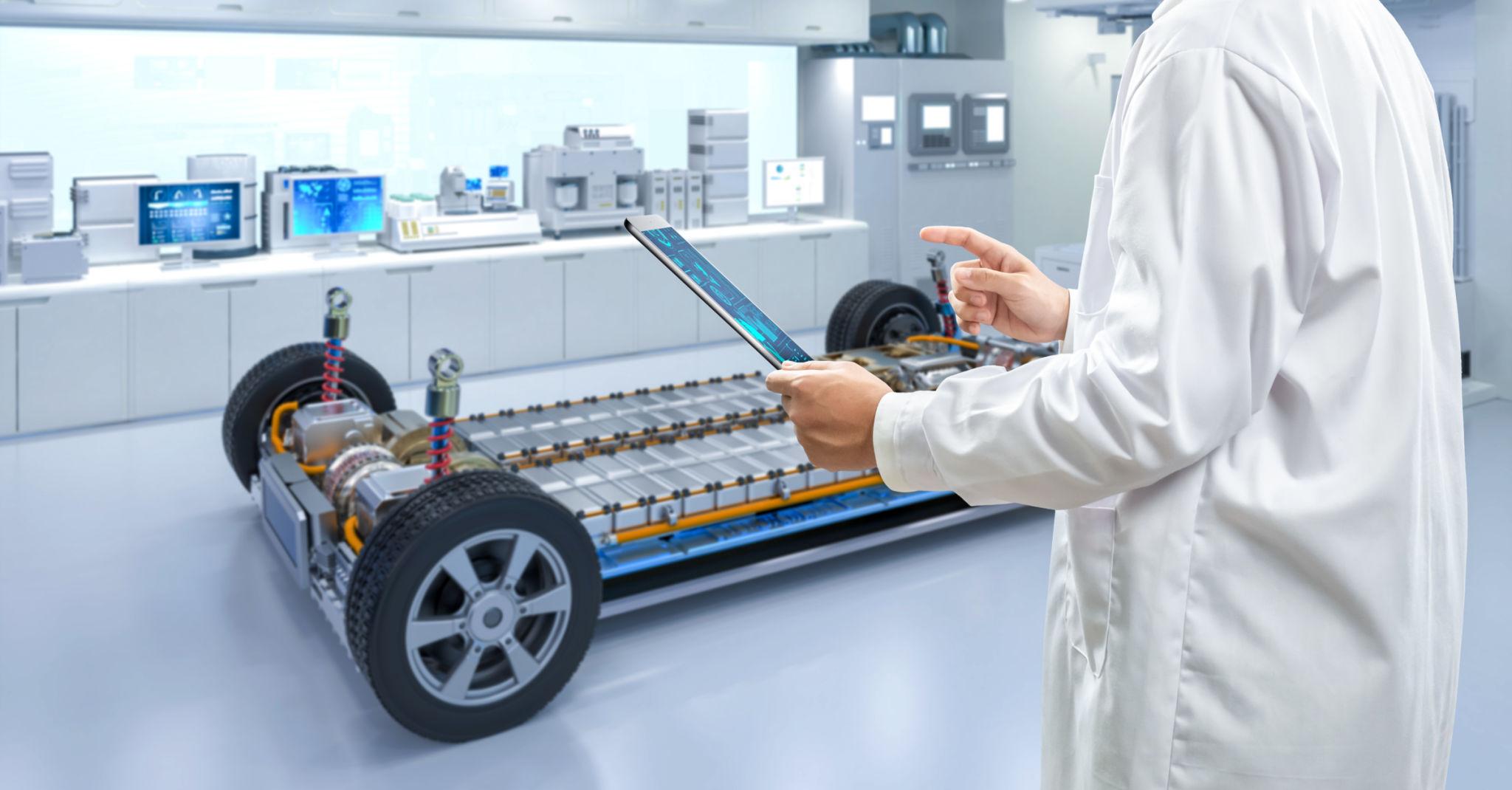
EV battery breakthrough efforts are expected to continue as research advances and industry collaboration increases. The timeline for commercial deployment remains uncertain, but early developments suggest strong potential.
Experts believe that breakthroughs in materials science will play a key role in shaping the future of energy storage. As companies invest in new technologies, competition is likely to accelerate innovation.
Why This Matters Now
EV battery breakthrough developments highlight a critical turning point in the evolution of electric vehicle technology. By exploring new uses for palladium in lithium-sulphur batteries, Nornickel is positioning itself within the next generation of energy solutions. While challenges remain, the potential impact on global markets, sustainability, and technological innovation makes this a key story to watch in 2026.