


Paris, France, April 14, 2026 (Parliament Politics Magazine) AI chip demand growth is accelerating global investment strategies as Veolia unveiled plans to generate $1.2 billion in revenue from data centres and semiconductor-related services by 2030.
The announcement highlights how rising demand for artificial intelligence processing power is reshaping industries far beyond traditional technology firms, pulling infrastructure providers into the rapidly expanding digital economy.
Veolia Aligns Strategy With AI Expansion
The AI chip demand growth trend is driving Veolia to expand its role in supporting data centres and semiconductor manufacturing. The company, historically focused on environmental services, is now targeting high-growth sectors tied to AI and advanced computing.
By offering energy, water, and waste solutions tailored to data centres, Veolia aims to become a key partner in the global tech ecosystem.
A company insider stated:
“AI chip demand growth is transforming infrastructure needs, and our strategy is designed to meet that demand sustainably.”
Why AI Chips Are Fueling Industry Growth
The surge in AI chip demand growth is linked to the rapid adoption of artificial intelligence across industries. From cloud computing to autonomous systems, advanced chips are essential for processing large volumes of data efficiently.
Key drivers include:
- Expansion of AI-powered applications
- Increased use of machine learning models
- Growth in data-intensive services
- Rising demand for high-performance computing
These factors are creating unprecedented opportunities for companies involved in both technology and infrastructure.
Data Centres as the Backbone of AI
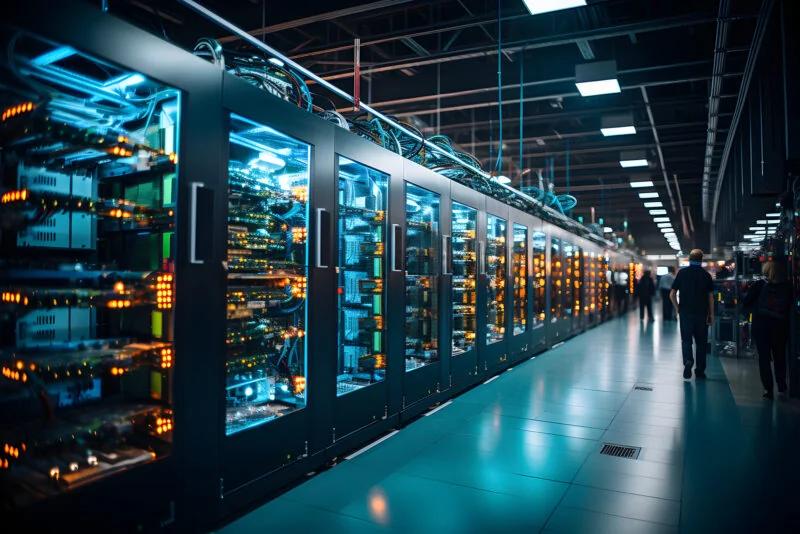
The AI chip demand growth is closely tied to the expansion of data centres, which provide the computing power required for AI operations.
Modern data centres must handle:
- High-density computing workloads
- Advanced cooling requirements
- Significant energy consumption
Veolia’s focus on sustainable infrastructure positions it to address these challenges while supporting the growth of AI-driven technologies.

Role in Semiconductor Manufacturing
Beyond data centres, AI chip demand growth is also influencing the semiconductor industry. Chip manufacturers require highly specialized infrastructure, including water purification and energy management systems.
Veolia plans to deliver:
- Water treatment solutions for chip fabrication plants
- Waste recycling and environmental management
- Energy efficiency technologies
This integration allows the company to participate directly in the semiconductor supply chain.
Sustainability and Efficiency Focus
A central element of Veolia’s response to AI chip demand growth is its emphasis on sustainability. As AI workloads increase, so does the environmental footprint of data centres and chip production.
The company aims to provide:
- Energy-efficient cooling systems
- Renewable energy integration
- Water conservation and reuse solutions
An industry analyst noted:
“AI chip demand growth must be matched with sustainable infrastructure, or the environmental costs could become significant.”
Competitive Landscape Intensifies
The AI chip demand growth trend is attracting a wide range of competitors, from engineering firms to specialized infrastructure providers.
Industry dynamics include:
- Increased investment in hyperscale data centres
- Strategic partnerships between tech and utility companies
- Rapid innovation in energy and cooling technologies
Companies that can combine technical expertise with sustainability are likely to gain a competitive edge.
Financial Outlook and Market Reaction
Investors have responded positively to strategies aligned with AI chip demand growth. Veolia’s $1.2 billion target is seen as a forward-looking move that could enhance long-term profitability.
Benefits of this approach include:
- Diversification into high-growth sectors
- Increased revenue potential
- Stronger positioning in global markets
Market analysts believe that aligning with AI trends could significantly boost the company’s valuation over time.
Risks and Challenges Ahead
Despite strong momentum, AI chip demand growth also presents challenges for companies entering the space.
Key risks include:
- High capital investment requirements
- Technological complexity
- Intense competition
- Regulatory and environmental constraints
Successfully managing these factors will be essential for achieving long-term success.
Broader Impact on Global Infrastructure
The rise of AI chip demand growth is reshaping global infrastructure priorities. Traditional industries are evolving to support the digital economy, creating new business models and opportunities.
This shift is influencing:
- Energy production and distribution
- Construction and engineering sectors
- Environmental services
Veolia’s strategy reflects how companies are adapting to these changes.
Outlook: Path Toward 2030
Looking ahead, AI chip demand growth is expected to remain a key driver of investment and innovation. Veolia plans to expand its capabilities and partnerships to capture a share of this growing market.
Future developments may include:
- Increased collaboration with tech companies
- Expansion into new geographic markets
- Continued investment in sustainable technologies
The company’s progress will be closely watched as the industry evolves.
Key Takeaways
The AI chip demand growth trend is redefining the global business landscape and driving new opportunities across multiple industries.
Key Points:
- Veolia aims to generate $1.2 billion from data centres and chips by 2030
- AI chip demand growth is fueling expansion in infrastructure and services
- Sustainability is a core component of the strategy
- Investors view the move as a strong long-term opportunity
- Challenges remain in execution and competition
As demand for AI technologies continues to rise, AI chip demand growth will play a central role in shaping the future of global infrastructure and innovation.
