The growing prevalence of neuroendocrine cancer in the United Kingdom is a stark reminder that the label of “rare” can often be a dangerous misnomer in our healthcare system: for thousands of people, this diagnosis marks the beginning of an uphill struggle defined by clinical delays, frequent misdiagnosis, and a persistent battle for visibility.
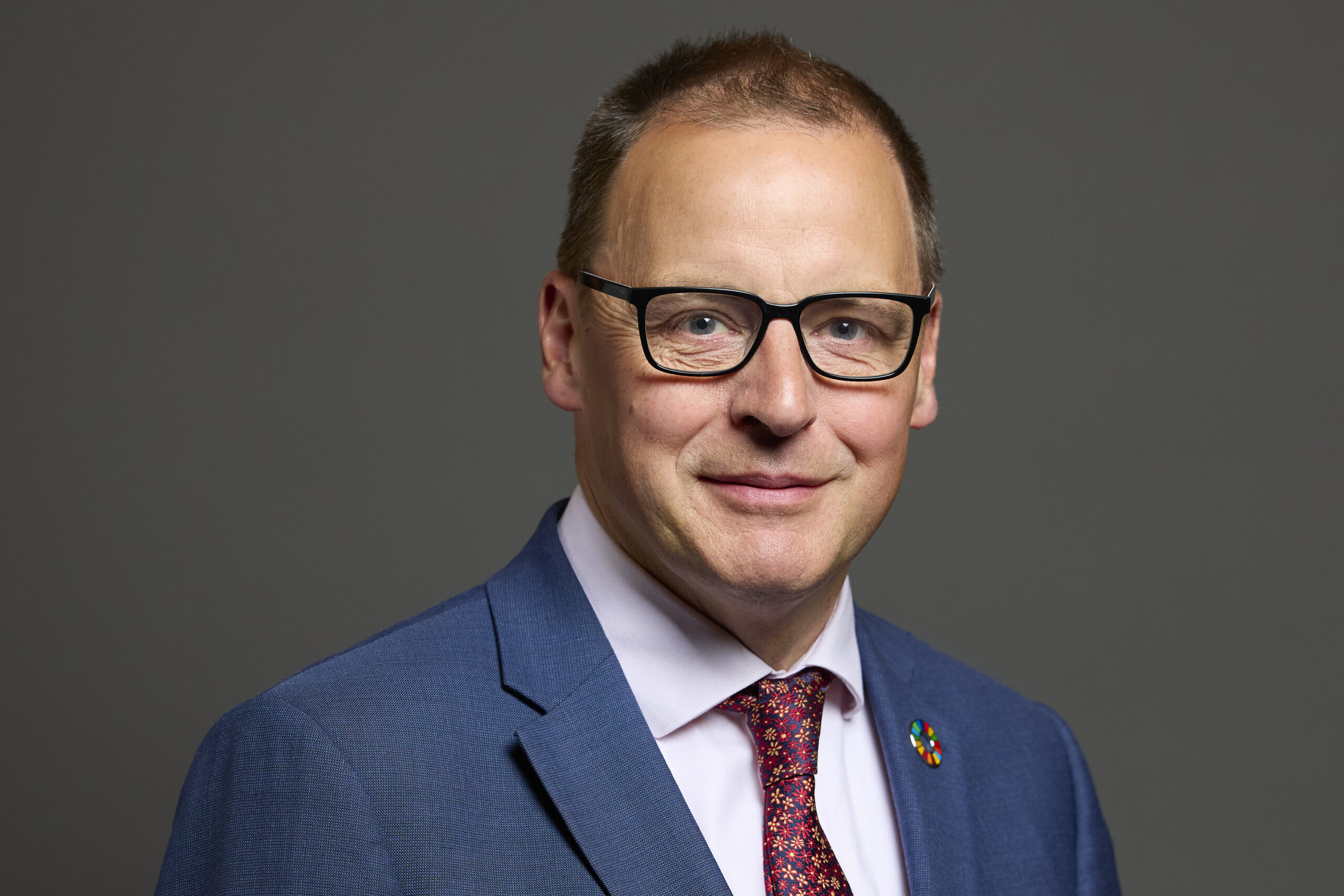
I first became aware of the struggles rare cancer patients face after my father-in-law was diagnosed with glioblastoma (another aggressive and rare cancer). Witnessing his journey underscored how little progress we’ve made in this area over the last 40 or so years, which led me to introduce the Rare Cancers Bill to Parliament. I am proud that, through collective campaigning across the sector, this Bill has now successfully become law, but we still need to do much more to meet the needs of rare cancer patients, here and now.
The impact of neuroendocrine cancer is undeniable: around 6,000 people are diagnosed each year, which translates to one person every 90 minutes. Today, more than 36,000 people are living with this condition, making it more prevalent than better-known diseases like stomach or pancreatic cancer. This is not a niche health concern, but a rapidly growing challenge that the NHS is ill equipped to meet.
On average, it takes four and a half years for a patient with a neuroendocrine tumour to be correctly diagnosed, during which time they may visit their GP an average of 11 times. Because these cancers can occur anywhere in the body and symptoms are often non-specific, they are frequently dismissed as more common conditions.
I recently met with patient advocates who shared their own exhausting journeys through these very misdiagnoses; they described the surreal experience of being told they had cancer after first receiving reassurances that their symptoms were likely related to a far less serious condition such as IBS, asthma, the menopause, or anxiety.
This highlights a dangerous paradox: many patients look perfectly healthy even while harbouring the disease, leading to a situation where over half of all patients are diagnosed at Stage 3 or 4. At this late stage, treatment options are more limited and the cost to the NHS is significantly higher, with estimates suggesting an additional cost of two to three hundred thousand pounds per patient compared to an early-stage diagnosis.
The current system of care is further undermined by a “postcode lottery” that dictates the quality of a patient’s journey. While the UK has 13 accredited Centres of Excellence, including specialist teams in Edinburgh and Glasgow, access to them remains inconsistent. Whether a patient is in rural Scotland or a coastal town in England, their survival should not depend on whether their local hospital happens to have a dedicated neuroendocrine lead.
In Scotland, there is a stark divide between urban hubs and rural communities, while in England, access is often dictated by the divergent priorities of various Cancer Alliances. Without a standardised diagnostic pathway, the only consistent safety net for many is provided by charities like Neuroendocrine Cancer UK, which fund critical research and support services with almost no statutory resourcing.
To begin to address these systemic failings, we must move toward a national strategy. After meeting with leading physicians in the field, I am convinced that the following must be the priority policy areas if we are to truly move the needle.
First, we must embed neuroendocrine cancer into primary care training and early-diagnosis initiatives to stop patients from being lost in the system for years. Second, we need a nationally recognised diagnostic and referral pathway to Centres of Excellence to ensure equity of care.
Third, we must ensure that neuroendocrine-specific cancer data is routinely and accurately published to track the rising incidence. Finally, there must be a commitment to research equity, using every available mechanism to stimulate funding for rare cancers that currently fall through the cracks of major funding streams.
Earlier recognition, clearer routes to specialist care, and access to life-changing drugs have the power to transform outcomes for thousands of people. We have the clinical expertise and the dedicated specialist centres necessary to tackle this disease; what we require now is a coordinated UK-wide effort to ensure that this expertise is accessible to every patient, regardless of where they live.
By addressing these gaps in awareness, data, and pathways, we can ensure that more diagnoses are made in a timely manner, as part of a well-supported journey toward recovery and a restored quality of life. The time to act on this rapidly growing challenge is now, before more lives are lost to the delays of an outdated system.
Neuroendocrine Cancer: A Growing Crisis