Bengaluru, India, April 17, 2026 (Parliament Politics Magazine) India Digital payments are driving a new phase of economic growth as online transactions expand across shopping, travel, food delivery, subscriptions, and entertainment. Reports that Walmart-owned Flipkart may enter India’s ticketing sector have added fresh attention to how digital payments are reshaping consumer behavior.
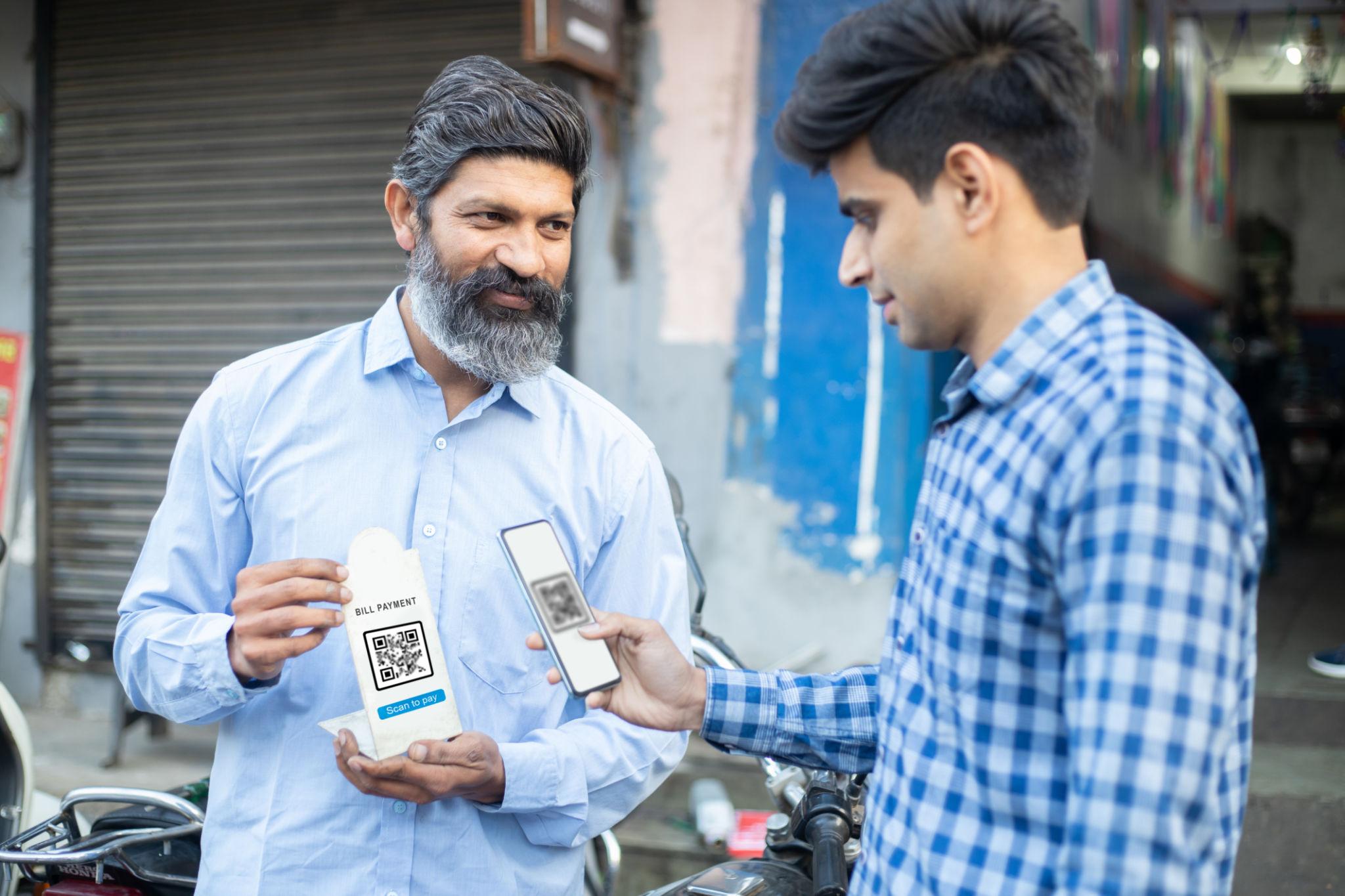
The country’s rapid adoption of mobile payment systems has helped transform everyday commerce. From street vendors to major retailers, digital transactions have become common across urban and rural markets.
“Digital payments are no longer a trend in India—they are becoming the foundation of modern commerce.”
Why India Digital Payments Matter
The India Digital payments story matters because payment systems often determine how quickly economies modernize. Fast, low-cost digital transactions can boost spending, improve efficiency, and open new business models.
India’s payment revolution has helped support:
- E-commerce growth
- Small business modernization
- Online food delivery
- Ticket booking platforms
- Utility bill payments
- Peer-to-peer transfers
As more consumers transact digitally, businesses can scale faster and serve wider markets.
Flipkart’s Ticketing Interest Highlights the Trend
Reports that Flipkart may move into ticketing show how India Digital payments are expanding beyond traditional retail.
Ticketing platforms depend heavily on frictionless payments for:
- Concert bookings
- Sports tickets
- Festivals
- Comedy shows
- Premium experiences
- Flash-sale events
Without trusted digital payment systems, these categories are harder to scale quickly.
Flipkart’s possible move suggests major platforms see payments-enabled services as the next growth frontier.
UPI and Mobile Payments Changed the Market
One of the biggest drivers of India Digital payments has been the rise of real-time mobile payment infrastructure.
Consumers now expect:
- Instant transfers
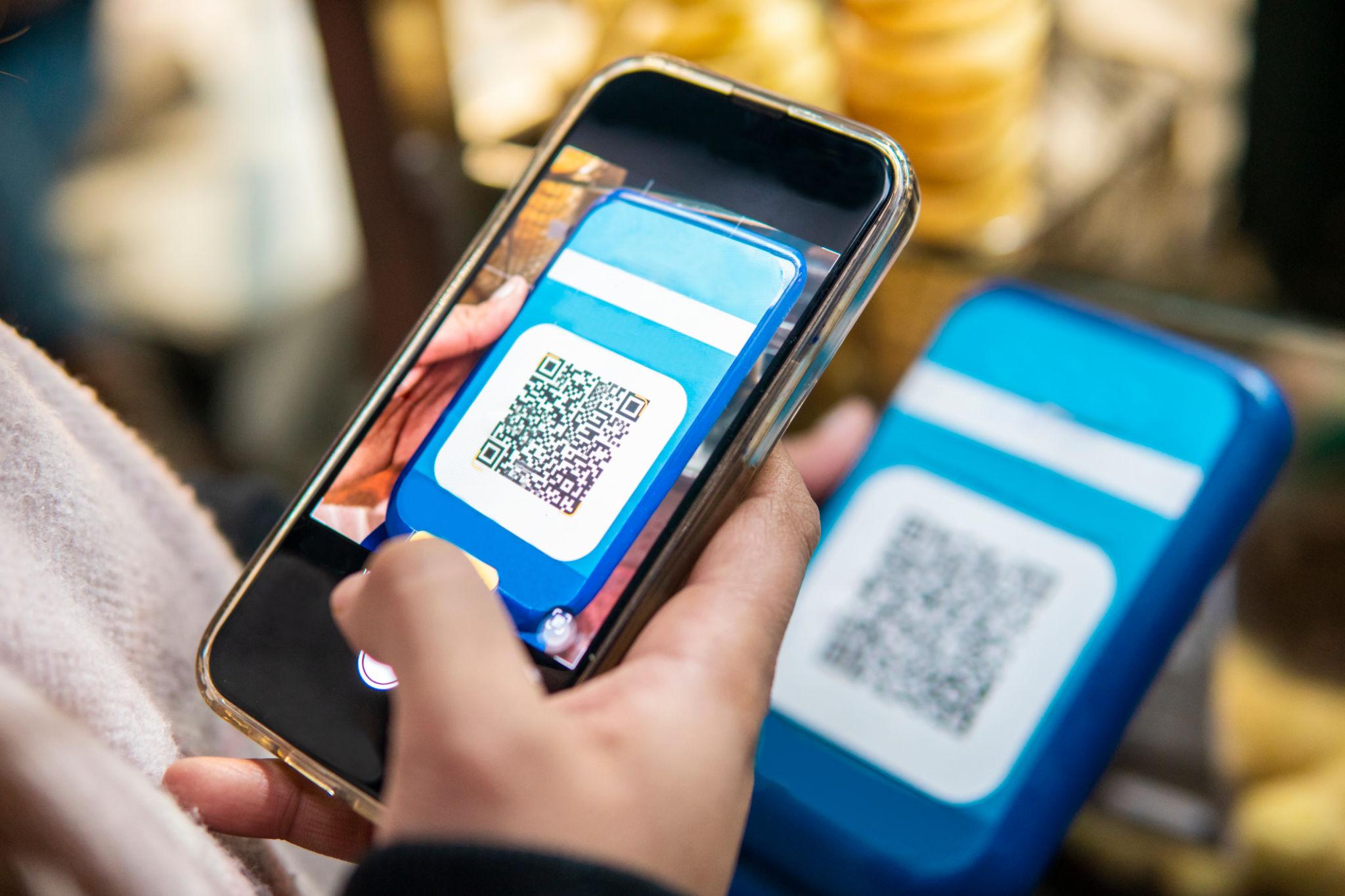
- QR code scanning
- Low-cost transactions
- Secure checkout
- Cashback offers
- Mobile-first convenience
This has reduced dependence on cash and encouraged millions of first-time digital users.
Why Consumers Prefer Digital Payments
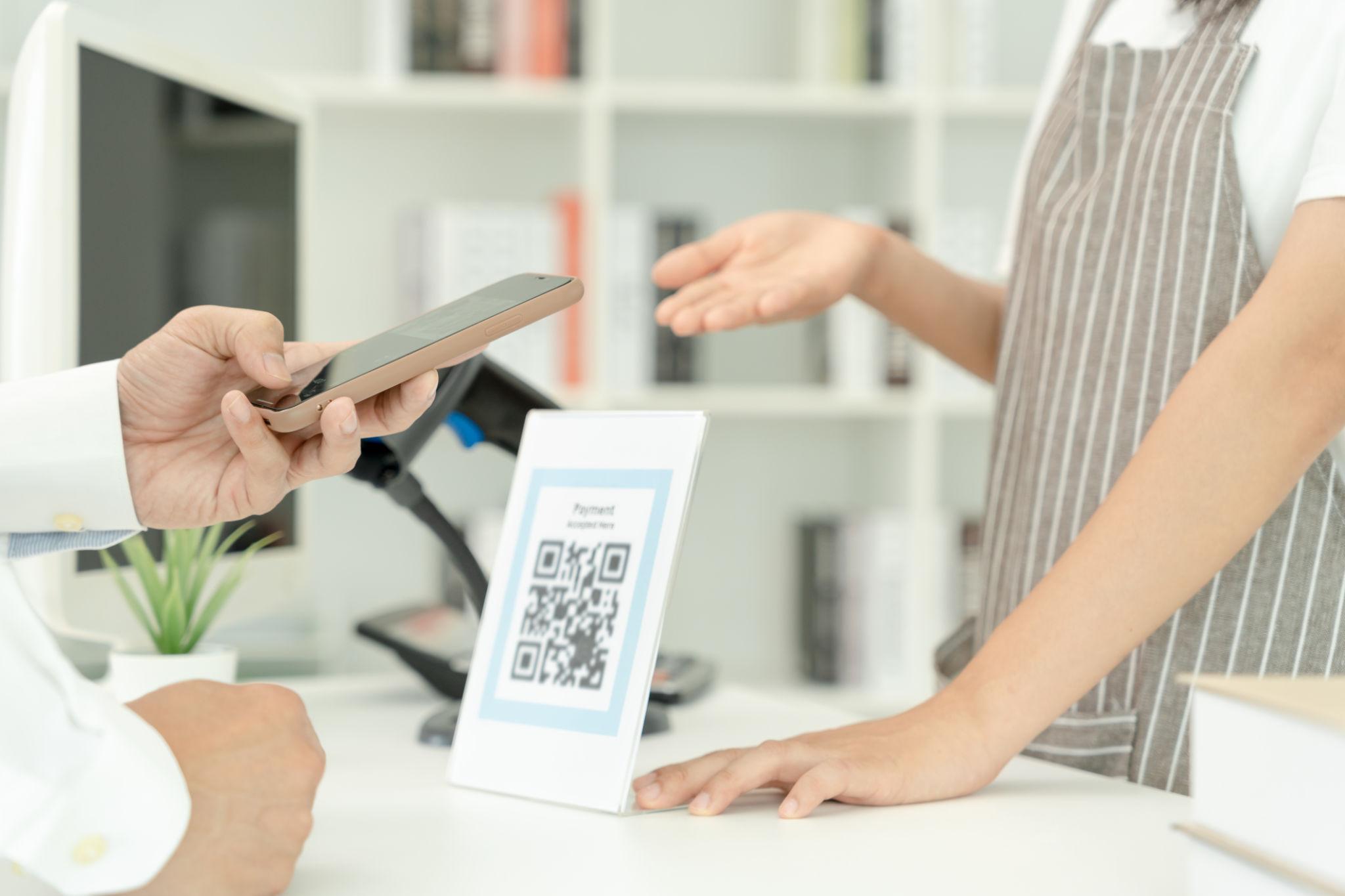
The growth of India Digital payments is closely tied to convenience.
Key reasons consumers use digital methods include:
Speed
Payments can be completed in seconds.
Security
Reduced need to carry cash.
Record Keeping
Easy access to transaction history.
Rewards
Cashback and discounts encourage usage.
Accessibility
Users can pay from anywhere using smartphones.
These advantages continue pulling more spending online.
Benefits for Businesses
For companies large and small, India Digital payments offer meaningful advantages.
Businesses can benefit from:
- Faster cash flow
- Lower cash handling costs
- Better accounting records
- Wider customer reach
- Easier subscription billing
- Improved fraud tracking
This is especially valuable for India’s growing startup ecosystem.
Why Ticketing Is a Natural Next Step
The possible Flipkart expansion into events reflects how India Digital payments create opportunities in adjacent sectors.
Ticketing works well with digital ecosystems because platforms can combine:
- Event discovery
- Instant booking
- Loyalty rewards
- Merchandise sales
- Travel add-ons
- Promotional offers
That makes ticketing attractive for e-commerce players seeking higher-margin revenue streams.
Live Events Demand Is Rising
India’s young population and growing middle class are spending more on experiences.
That supports both ticketing and India Digital payments growth through:
- Music concerts
- Cricket matches
- Regional festivals
- Stand-up comedy
- College events
- Brand activations
As event culture expands, seamless mobile checkout becomes essential.
Investors Watching Fintech Expansion
Investors often view payment adoption as a sign of economic formalization and future monetization opportunities.
They are watching India Digital payments for signals such as:
- Higher transaction volumes
- Increased merchant adoption
- Platform cross-selling
- Fintech partnerships
- Advertising growth
- Consumer loyalty ecosystems
The stronger the payment network, the more services companies can build around it.
Risks and Challenges Remain
Despite rapid progress, challenges still exist.
Cybersecurity
Fraud prevention remains critical.
Rural Connectivity
Some regions need stronger digital infrastructure.
Competition
Many apps and platforms compete aggressively.
Profitability
Free or low-cost payment systems need monetization.
Regulation
Compliance standards continue evolving.
The future of India Digital payments depends on balancing scale with trust.
Why 2026 Is a Key Year
India’s digital economy has reached a point where payments are now enabling second-wave growth sectors such as entertainment, financial services, and platform ecosystems.
That makes 2026 important for the India Digital payments narrative as companies race to capture new spending categories.
“First came digital payments. Next comes everything built on top of them.”
What Could Happen Next
Analysts expect growth in:
- Event booking apps
- Embedded finance
- Travel bundles
- Subscription commerce
- SME payment tools
- Cross-border digital payments
These trends could make India Digital payments even more central to daily life.
Impact on Consumers
For consumers, continued payment innovation may bring:
- Faster refunds
- Easier booking systems
- Better discounts
- Safer transactions
- Unified apps for shopping and events
- Personalized rewards
Convenience remains the strongest growth driver.
India Digital Payments Summary and Market Impact
The India Digital payments boom is helping reshape commerce across the country. Reports that Flipkart may enter ticketing highlight how payments infrastructure is now enabling growth far beyond retail shopping.
For businesses, it creates new revenue channels. For consumers, it offers speed and convenience. For investors, it signals a powerful long-term growth trend.
India’s next digital chapter may not be about payments alone—but about everything payments make possible.