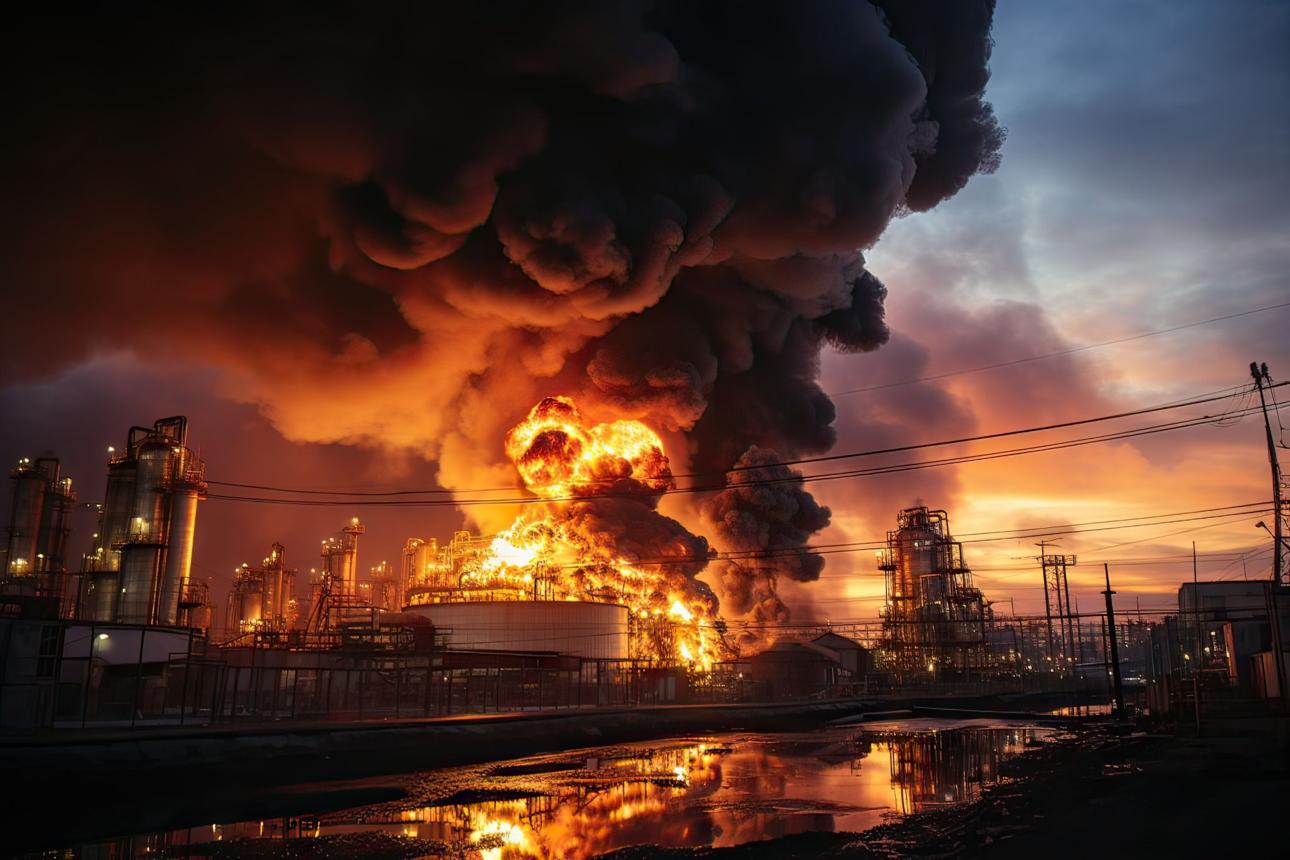
Tehran/Washington – April 19, 2026 (Parliament Politics Magazine) Iran war oil loss has escalated dramatically over the past 50 days, with estimates now exceeding $50 billion in disrupted production, damaged infrastructure, and halted exports. The prolonged conflict has not only strained regional stability but also triggered ripple effects across global energy markets, raising concerns among economists, policymakers, and industry leaders.
What began as a geopolitical escalation has now evolved into a full-scale economic disruption, with oil at the center of the crisis. The Middle East, long considered the backbone of global energy supply, is facing one of its most significant shocks in recent history.
“This is not just a regional conflict anymore. It’s an economic event with global consequences,”
said an energy analyst tracking the situation closely.
Oil Infrastructure Damage Drives Massive Financial Losses
A major contributor to the Iran war oil loss is the widespread damage to oil production facilities, pipelines, and export terminals. Key infrastructure sites have either been directly targeted or forced offline due to security concerns.
Refineries have reduced capacity, while some export terminals remain non-operational. The inability to safely transport crude oil has created bottlenecks, significantly reducing output levels.
Industry estimates suggest that millions of barrels per day have been removed from the global supply chain. This disruption alone accounts for a large portion of the $50 billion loss, as production delays translate directly into lost revenue.
Export Disruptions Amplify Global Energy Market Instability
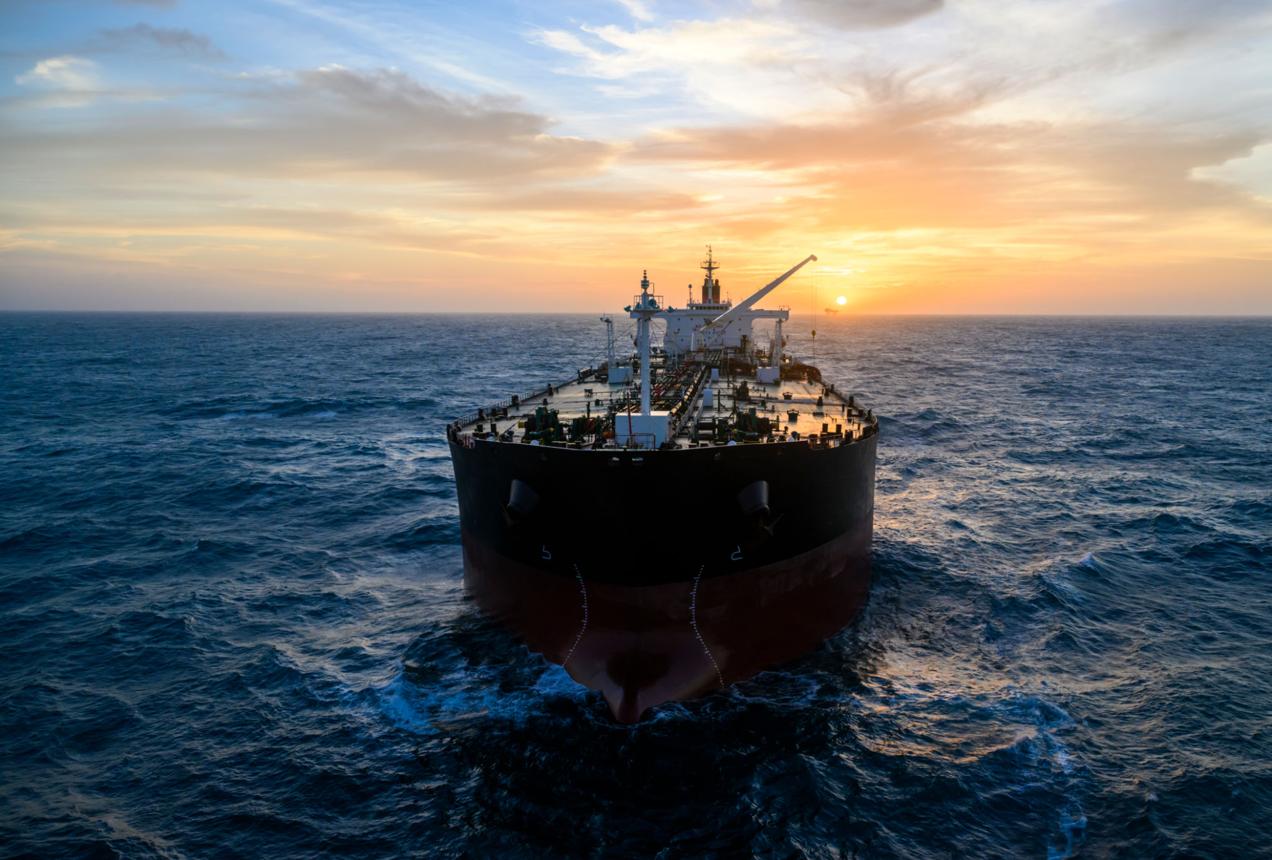
Iran’s oil exports have faced severe interruptions due to maritime risks and sanctions-related complications. Shipping routes in the region have become increasingly dangerous, leading to higher insurance costs and reduced tanker activity.
Energy traders report that uncertainty in supply chains has led to sharp fluctuations in oil prices. Markets have responded with volatility, reflecting fears of prolonged shortages.
The Iran war oil loss is not confined to one country. It has affected global supply dynamics. Countries dependent on Middle Eastern oil are now seeking alternative sources, often at higher costs.
Rising Oil Prices Impact Global Economies
As supply tightens, oil prices have surged, placing additional pressure on global economies already dealing with inflation concerns. Increased fuel costs have translated into higher transportation and manufacturing expenses.
Developing nations, in particular, are feeling the strain as energy costs consume a larger share of national budgets. Meanwhile, consumers worldwide are facing rising prices at the pump.
The Iran war oil loss has therefore become a broader economic issue, influencing everything from food prices to industrial production.
Strategic Oil Reserves Provide Temporary Relief
In response to the crisis, several countries have tapped into strategic petroleum reserves to stabilize markets. While this measure has helped cushion the immediate impact, it is not a long-term solution.
Experts warn that continued reliance on reserves could leave nations vulnerable to future disruptions. The current situation underscores the fragility of global energy systems in the face of geopolitical conflicts.
Regional Instability Compounds Economic Damage
Beyond direct oil losses, the conflict has created widespread uncertainty across the Middle East. Neighboring countries have increased security measures, while foreign investments in the region have slowed.
The broader economic impact includes reduced trade activity, declining investor confidence, and disruptions to related industries such as shipping and logistics.
The Iran war oil loss is therefore part of a larger pattern of economic instability that could persist even after the conflict subsides.
Energy Markets Shift Toward Alternative Sources
The ongoing crisis has accelerated discussions about energy diversification. Countries are exploring alternative suppliers and investing in renewable energy sources to reduce dependence on volatile regions.
While these shifts may take years to fully materialize, the current conflict has highlighted the urgent need for more resilient energy strategies.
Energy experts note that the Iran war oil loss could serve as a turning point in how nations approach energy security.
Political Fallout Intensifies Global Tensions
The economic consequences of the conflict have also fueled political tensions between major global powers. Diplomatic efforts to de-escalate the situation have faced significant challenges, as competing interests complicate negotiations.
Sanctions, military actions, and shifting alliances have all contributed to the complexity of the crisis. The intersection of politics and economics has made resolution efforts increasingly difficult.
Long-Term Economic Consequences Remain Uncertain
While the immediate impact of the Iran war oil loss is evident, the long-term consequences remain uncertain. Analysts predict that rebuilding damaged infrastructure could take years, requiring significant financial investment.
Additionally, changes in global energy policies and market dynamics could have lasting effects on how oil is produced, traded, and consumed.
Human Impact Behind the Economic Figures
Beyond financial losses, the conflict has affected millions of people in the region. Workers in the oil industry have faced job disruptions, while local communities have experienced economic hardship.
The human cost of the crisis is often overshadowed by economic statistics, but it remains a critical aspect of the overall impact.
Economic Shock Insight
“Fifty days have erased billions in value, but the real cost will be measured in years of economic recovery,”
an international energy expert stated.
A $50 Billion Loss with Global Implications
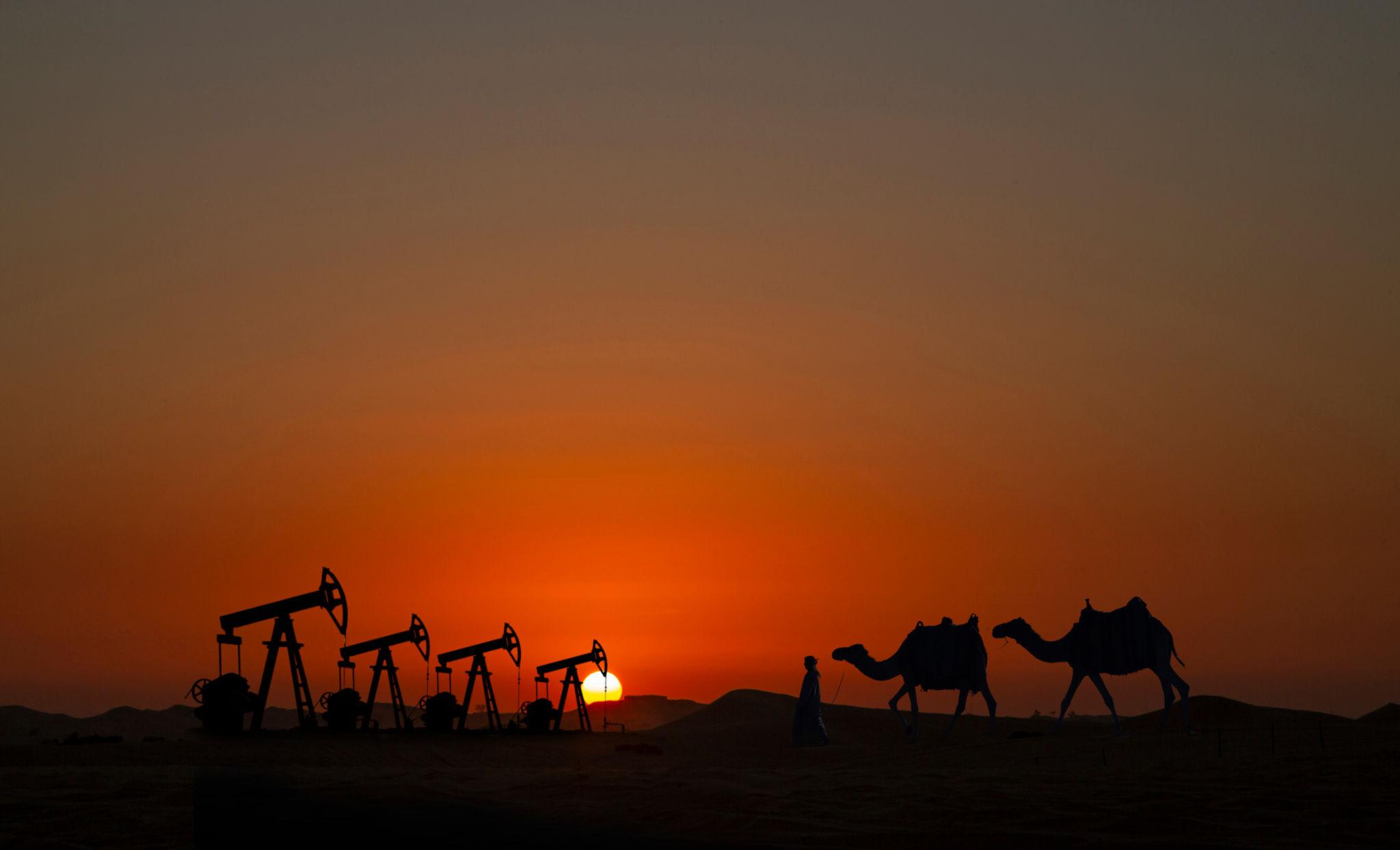
The Iran war oil loss, now estimated at $50 billion after 50 days, represents one of the most significant disruptions to global energy markets in recent years. From damaged infrastructure and halted exports to rising prices and economic uncertainty, the effects are being felt worldwide.
While short-term measures have provided some relief, the long-term outlook remains uncertain. The crisis has exposed vulnerabilities in global energy systems and highlighted the need for more resilient strategies.
As the conflict continues, its economic impact is likely to deepen, shaping the future of energy markets and international relations for years to come.